



Are Daily Pushups Beneficial or Harmful? A Guide to Smart Upper-Body Training
In a world that rarely slows down, routine is its own kind of comfort. The morning coffee. The afternoon walk. An episode of something familiar before bed. For anyone juggling too much, a dependable exercise habit can feel less like a chore and more like an anchor — something that steadies both the body and the mind.
But there’s a line between dedication and overdoing it, and it’s easy to cross without noticing. If you’ve made daily pushups part of that anchor routine, it’s worth asking: is this habit actually working for you, or quietly working against you?
There’s no simple yes or no here. Trainers generally agree that pushups, done daily, can build real strength — but only when they’re paired with some planning and a bit of body awareness. Think of it like a favorite smoothie: genuinely good for you in the right amount, but try living on nothing else and your body will let you know pretty quickly that something’s missing.
The Appeal — and the Trap — of a Pushup-Only Routine
There’s an obvious appeal to pushups as a shortcut to a stronger chest and arms. “Many folks get hooked on this idea,” says fitness coach Alex Rivera. “They treat it like an easy daily grind for upper-body gains, hoping for dramatic results overnight.”
The catch is that the body doesn’t work in isolated pieces — it works as a system. Think of a sports team: every position matters, and neglecting one weakens the whole unit. Pushups train the chest, shoulders, and triceps well, but that’s roughly a third of the story. Skip the muscles on the other side — your back — and you’re setting up the kind of imbalance that eventually shows up as weakness, poor posture, or an injury that seems to come out of nowhere.
Building a Balanced Routine
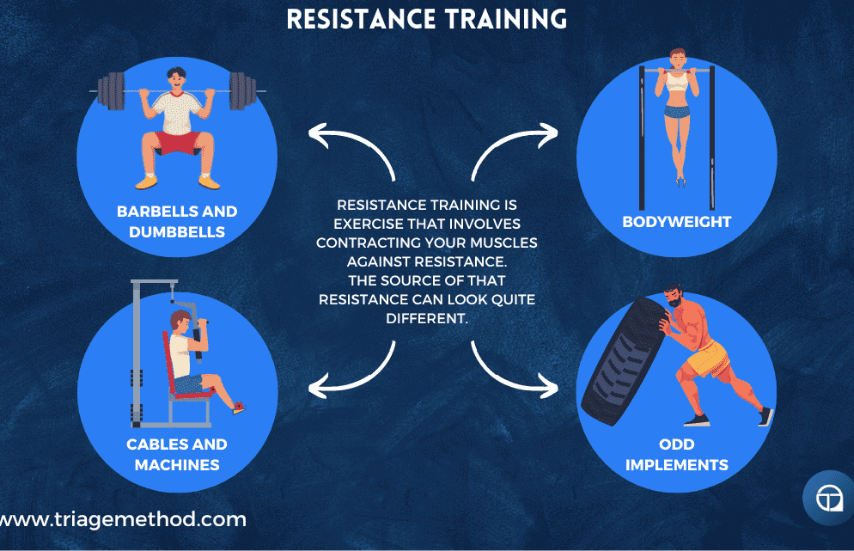
The fix isn’t complicated: balance. Treat your training plan the way you’d treat a meal — you wouldn’t eat only protein and call it complete. Rivera recommends adding pulling movements to counter all that pushing: rows with dumbbells, resistance bands, or even a household object with some weight to it. No equipment on hand? The Superman pose, done flat on the floor, activates the back muscles pushups tend to skip entirely.
Overhead presses, pull-ups, and assisted chin-ups round things out further. “Strengthening the muscles around your chest promotes overall stability,” Rivera notes. Put it all together, and you get a body that’s not just strong in one direction, but resilient in general — less likely to break down under the strain of an unbalanced routine.
Getting the Technique Right
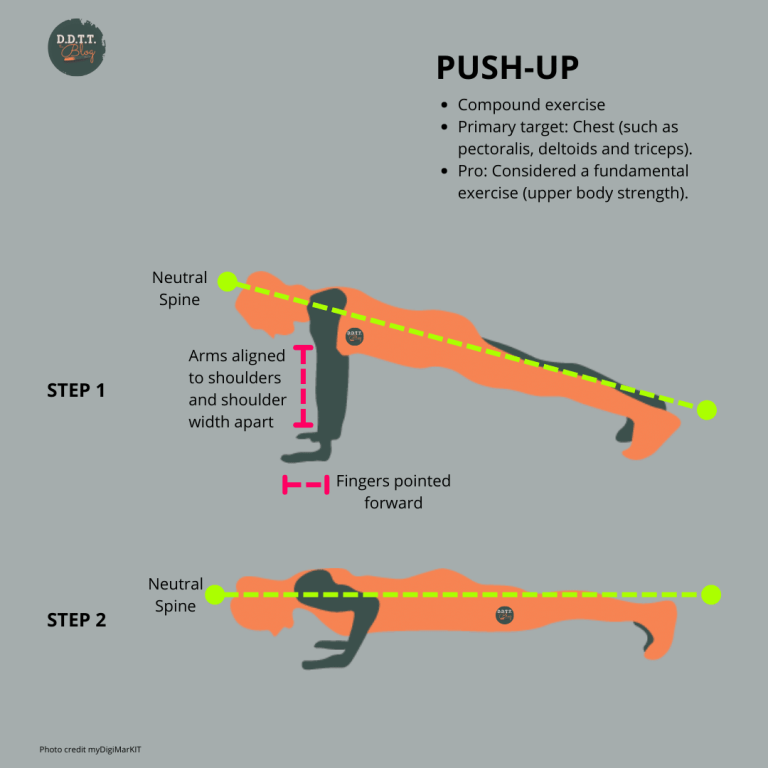
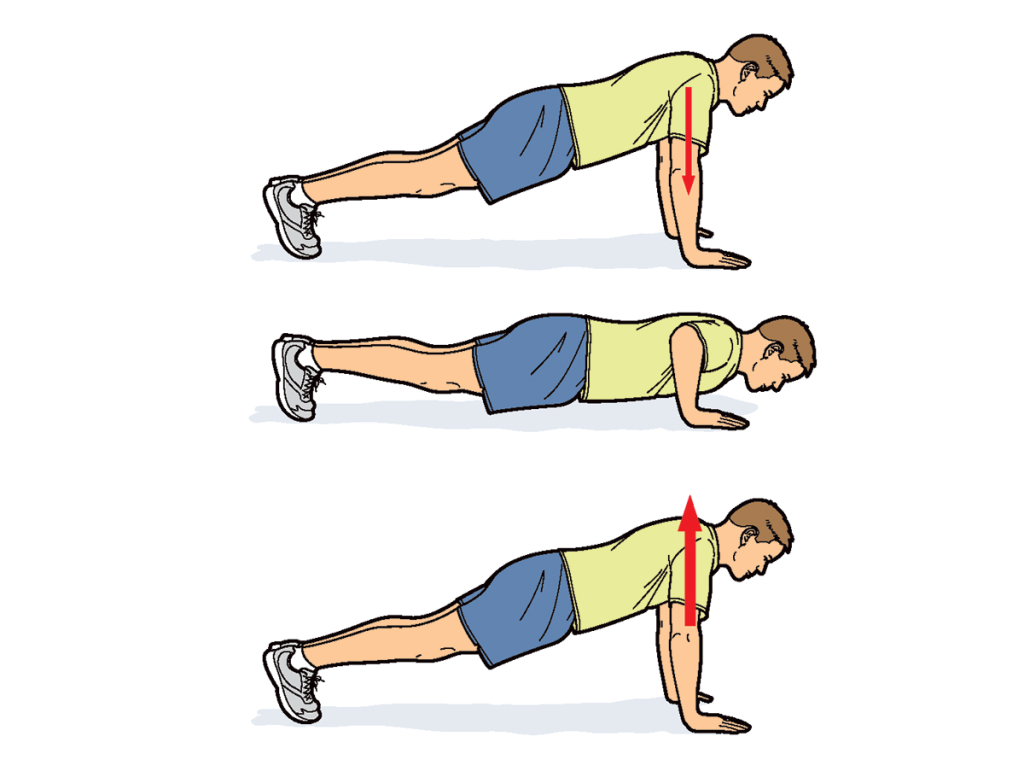
None of this matters much if the form is off. “Your core acts as the anchor for the entire movement,” explains trainer Mia Thompson. “It ensures everything works in sync.” That means resisting the urge to let your hips sag or your lower back arch — the body should hold a straight line from head to heels throughout the movement, as NIFS lays out in its breakdown of proper pushup technique.
From First Rep to Advanced Variation
New to pushups? Start by prioritizing quality over quantity. Knee versions can sometimes throw off proper core engagement, so an elevated version — hands on a step, bench, or wall — is often a better entry point, easing the load while you nail the form.
Once that foundation is solid, slow things down. “Tempo control boosts endurance and technique,” says Thompson. From there, progression looks like close-grip diamond pushups, explosive clap variations, or added resistance from something as simple as a loaded backpack — Redefining Strength has a solid rundown of these variations for anyone ready to push further.
Recovery Matters More Than You Think
Chasing endless reps without ever backing off is where most people run into trouble. Thompson suggests cycling your volume instead — higher-rep days in the 50-to-80 range, followed by lighter sessions closer to 15 to 30. And pay attention to what your body’s telling you: general fatigue is normal, but sharp pain is your cue to stop, not push through.
There’s no single “right” number of daily pushups — it depends on your total volume and how much difficulty you’re layering on. Get the form right, mix in variety, stay flexible about rep counts, and actually listen when your body sends a warning sign, and daily pushups can hold up as a long-term habit rather than a short-lived phase.
The Bottom Line
Daily pushups aren’t good or bad on their own — what matters is how you build them into your routine. Get the balance right, keep the technique honest, and give recovery its due, and you’ll get the payoff without much of the risk. A routine that bends to fit your body, rather than the other way around, is the one that actually lasts.
Frequently Asked Questions
Sources
- NIFS. “Back to Exercise Basics: The Proper Push-up.” https://www.nifs.org/blog/back-to-exercise-basics-the-proper-push-up
- Redefining Strength. “How To Do A Push Up | Variations and Supplemental Exercises.” https://redefiningstrength.com/how-to-do-a-push-up-variations-and-supplemental-exercises/
Disclaimer: This article is for general informational purposes only and is not a substitute for professional medical or fitness advice. Consult a doctor or certified trainer before starting a new exercise routine, especially if you have an existing injury or health condition.

Health & Wellness Writer | Research-Informed Health Content Creator
A.K.M. Monjurul Hoque is a health and wellness writer specializing in health, beauty, fitness, nutrition and healthy living. His content is informed by health journals, books, seminars, training programs, and discussions with experienced healthcare professionals. He writes clear, practical and research-informed articles for general education and encourages readers to seek personalized advice from qualified medical professionals.