



Liquid Gold: The Science-Backed Health Benefits and Timeless Uses of Extra Virgin Olive Oil
Disclaimer: The information provided in this article is for educational and informational purposes only and does not constitute medical advice, diagnosis, or treatment. Always consult with a qualified healthcare provider regarding any dietary modifications or health concerns.
Introduction: Why Olive Oil is Called “Liquid Gold”
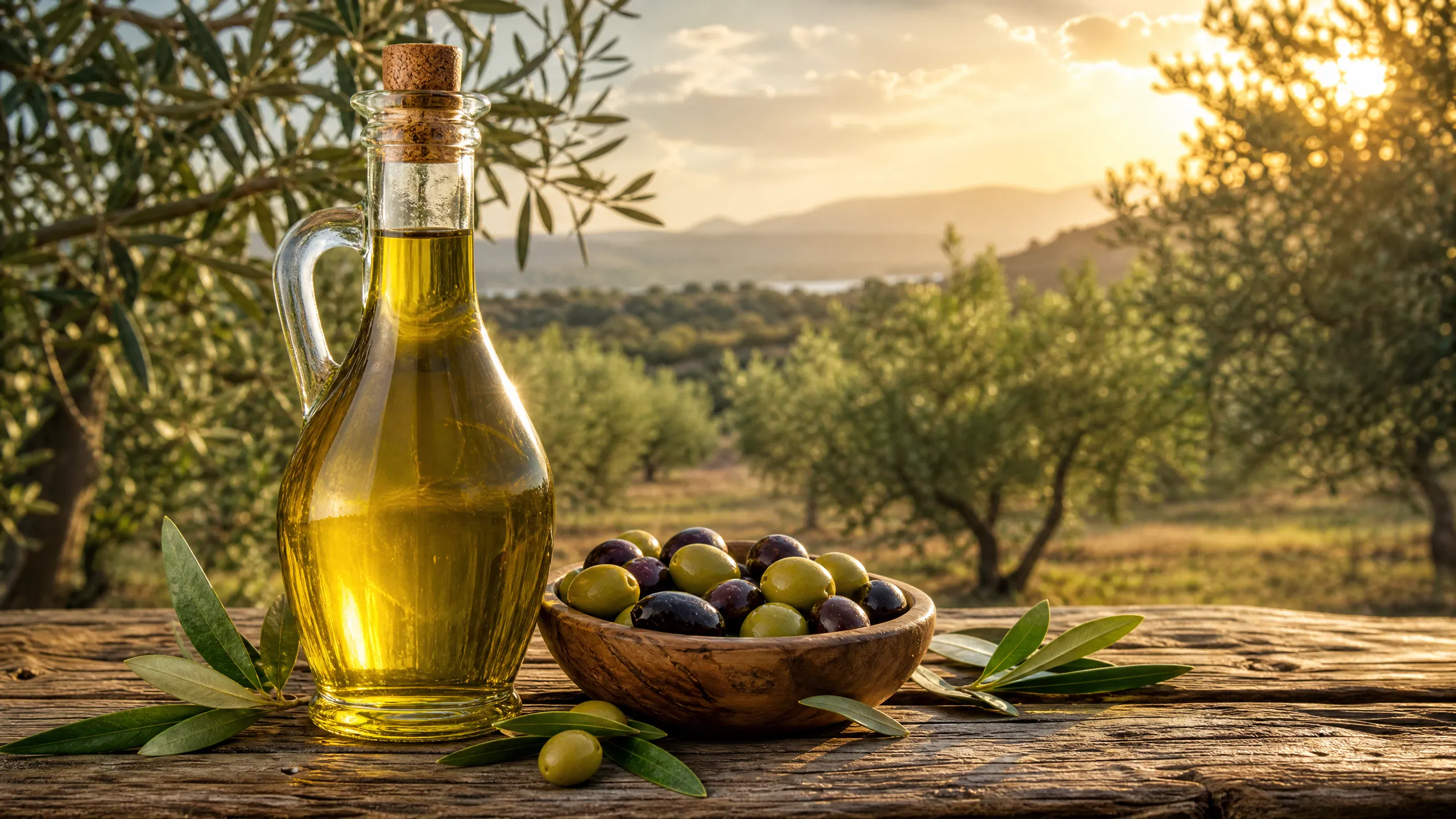
For millennia, ancient civilizations across the Mediterranean basin have revered olive oil not merely as a culinary staple, but as a sacred medicinal elixir. Famously dubbed “liquid gold” by Homer, extra virgin olive oil (EVOO) has stood the test of time as a cornerstone of longevity, vitality, and health .
In modern nutritional science, the acclaim has only intensified. Extensive clinical research now confirms that the monounsaturated fats and potent polyphenol antioxidants found in high-quality olive oil offer profound protection against cardiovascular disease, chronic inflammation, and cellular aging . This comprehensive guide explores the history, types, culinary mastery, dermatological benefits, and health science behind this precious elixir.
The Rich History and Heritage of Olive Oil
The cultivation of the olive tree (Olea europaea) dates back over 6,000 years, originating in the ancient Mediterranean. Throughout history, olive oil served as currency, fuel for lamps, an athletic rubdown for Greek Olympians, and a foundational remedy in traditional medicine.
Unlike seed or vegetable oils that require heavy industrial chemical processing, true extra virgin olive oil is extracted purely through mechanical or physical pressing at low temperatures, preserving its complex chemical architecture and vibrant nutritional integrity .
Science-Backed Health Benefits of Olive Oil
Incorporating extra virgin olive oil into your daily routine yields a multitude of evidence-based health benefits:
- Cardiovascular Protection: EVOO is rich in oleic acid, a monounsaturated fatty acid that helps lower low-density lipoprotein (LDL) cholesterol and blood pressure, significantly reducing the risk of heart disease and stroke.
- Potent Anti-Inflammatory Properties: Chronic inflammation is a primary driver of numerous modern diseases. Olive oil contains powerful phenolic compounds—most notably oleocanthal—which exhibit anti-inflammatory pharmacological activity comparable to ibuprofen .
- Abundant Antioxidants: Packed with vitamin E and polyphenols, olive oil neutralizes harmful free radicals, protecting cells from oxidative stress and reducing systemic disease risk .
- Metabolic and Type 2 Diabetes Support: Clinical trials, including the landmark PREDIMED study, demonstrated that a Mediterranean diet supplemented with extra virgin olive oil significantly reduces the incidence of type 2 diabetes .
- Weight Management: Contrary to the misconception that all fats promote weight gain, the healthy fats in olive oil promote satiety and metabolic efficiency when consumed in balanced quantities .
Decoding the Varieties: Understanding Olive Oil Types
Not all olive oils are created equal. Processing methods dramatically alter the flavor, smoke point, and nutritional content of the final product:
| Olive Oil Type | Production & Processing | Flavor & Characteristics | Optimal Culinary Uses |
| Extra Virgin Olive Oil (EVOO) | Pure, cold-pressed mechanically without chemicals or heat. | Robust, fruity, pepper-forward; highest polyphenol content . | Salads, dressings, low-to-medium heat cooking, and dipping . |
| Refined Olive Oil | Chemically or physically processed to remove defects and impurities. | Neutral flavor, lighter color, significantly lower antioxidant content . | Higher-heat cooking, frying, and baking where neutral taste is preferred . |
| Pomace Olive Oil | Extracted from residual olive pulp using solvents, then blended with a touch of EVOO. | Mild, highly processed, budget-friendly. | General commercial frying and industrial food preparation. |
Culinary Mastery: Simple Ways to Use Olive Oil
Olive oil is a versatile kitchen powerhouse that elevates both flavor and nutrition. Here are some effortless ways to incorporate it into your daily meals:
- Vibrant Vinaigrettes: Whisk extra virgin olive oil with balsamic vinegar or freshly squeezed lemon juice, sea salt, and crushed garlic for a heart-healthy salad dressing.
- Finishing Drizzle: Drizzle raw EVOO over roasted vegetables, grilled fish, soups, or artisan bread just before serving to fully experience its aromatic polyphenol profile.
- Smart Cooking: While EVOO has a stable smoke point suitable for everyday sautéing and roasting, reserve your highest-grade, artisanal extra virgin oils for unheated uses to preserve their delicate delicate flavors and antioxidants.
Beyond the Kitchen: Olive Oil for Skincare and Beauty
Olive oil’s emollient properties extend far beyond gastronomy. In dermatology, it has long been utilized to nourish and protect the skin barrier :
- Deep Natural Moisturizer: Applying a few drops of pure EVOO to damp skin locks in moisture, keeping the skin soft, supple, and hydrated .
- Gentle Makeup Remover: Olive oil effectively dissolves stubborn waterproof cosmetics without stripping the skin’s natural lipid barrier.
- Hair and Scalp Nourishment: Massaging warm olive oil into the scalp helps tame frizz, restore shine, and condition dry, brittle hair strands.
Conclusion
Extra virgin olive oil truly deserves its reputation as “liquid gold.” Backed by thousands of years of human tradition and validated by modern medical science, it is an indispensable tool for achieving optimal health, culinary delight, and natural skincare. By choosing authentic, high-quality extra virgin olive oil, you invite a powerful source of wellness into your daily life.
Frequently Asked Questions (FAQ)
Q: What is the main difference between extra virgin olive oil and regular olive oil?
A: Extra virgin olive oil is unrefined, cold-pressed mechanically, and retains the highest concentration of beneficial polyphenols, antioxidants, and flavor. Regular or refined olive oil undergoes processing that strips away many of these natural compounds, resulting in a lighter flavor and fewer antioxidants .
Q: Can I cook with extra virgin olive oil at high temperatures?
A: Yes. Despite common myths, high-quality extra virgin olive oil has a stable smoke point (around 375°F to 410°F / 190°C to 210°C) and contains antioxidants that protect the oil from degradation during normal cooking, roasting, and sautéing.
Q: Does olive oil help with weight loss?
A: While olive oil is calorie-dense (as are all fats), its monounsaturated fatty acids promote satiety, regulate blood sugar, and enhance metabolism, making it a valuable component of a balanced, weight-conscious diet .
Q: How should I store olive oil to preserve its quality?
A: Olive oil is sensitive to light, heat, and oxygen. Store it in a dark glass bottle or opaque container in a cool, dark cupboard away from the stove to prevent rancidity and preserve its antioxidant potency.
References
[1] IntechOpen. (2022). Health Benefits of Extra Virgin Olive Oil.
[3] Cleveland Clinic. (2024 ). 6 Major Benefits of Extra Virgin Olive Oil.
[4] CABI Digital Library. Health benefits of extra virgin olive oil.
[6] GoodRx. (2025 ). Should You Be Drinking Olive Oil? Benefits to Consider.
[8] University of Florida (IFAS). Health Benefits of Olive Oil and Olive Extracts.
[9] Healthline. (2025 ). Extra Virgin Olive Oil: Benefits, Vs. Other Oil, and More.
[10] Medical News Today. Extra virgin olive oil or olive oil: Which is healthier?
[12] Verywell Health. (2026 ). 8 Benefits of Olive Oil for Your Skin.


Health & Wellness Writer | Research-Informed Health Content Creator
A.K.M. Monjurul Hoque is a health and wellness writer specializing in health, beauty, fitness, nutrition and healthy living. His content is informed by health journals, books, seminars, training programs, and discussions with experienced healthcare professionals. He writes clear, practical and research-informed articles for general education and encourages readers to seek personalized advice from qualified medical professionals.