



Nature’s Multivitamin: The Real Magic of Moringa Oleifera
Disclaimer: This is just for your info, not medical advice. Always check with your doctor before jumping into new supplements or making any big diet changes.
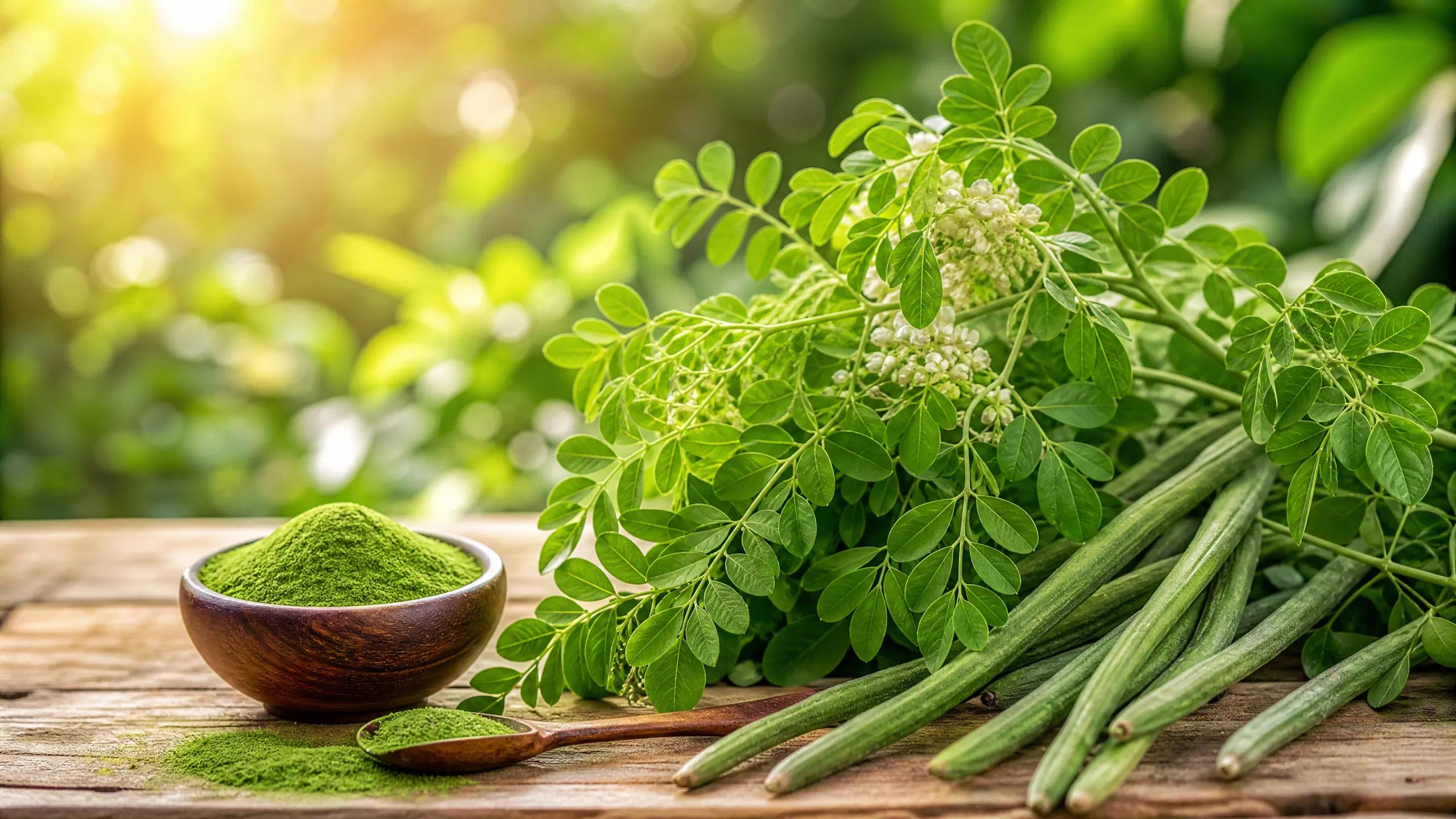
The Miracle Tree: Moringa Oleifera Branch and Powder
Getting to Know the “Miracle Tree”
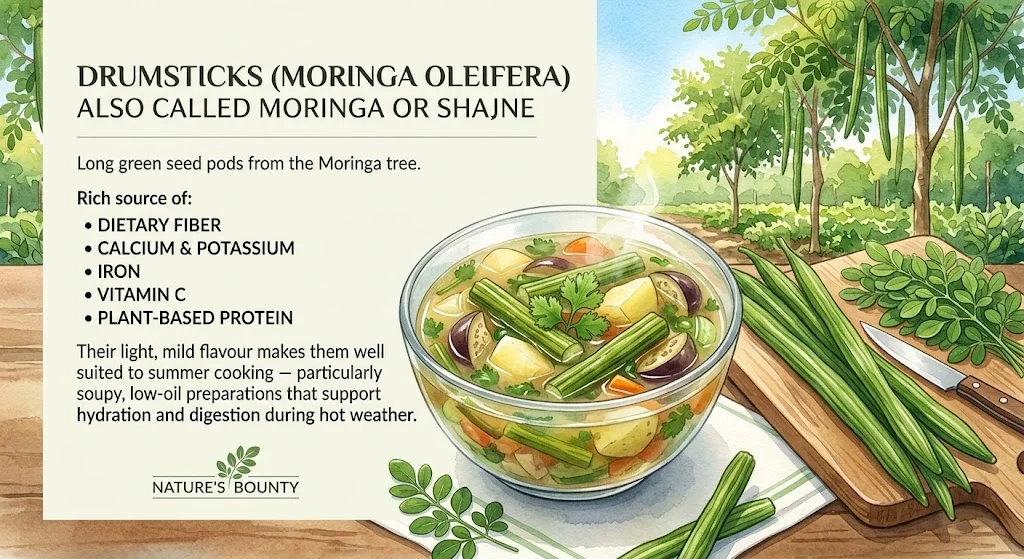
Moringa Oleifera isn’t just a modern trend—it’s been part of daily life in South Asia and Africa for ages. Folks over there call it the “Miracle Tree” or “Drumstick Tree” because it grows fast, survives tough weather, and pretty much every part is useful: leaves, pods, seeds, even roots. People have counted on this tree for both food and basic medicine.
Lately, scientists are paying attention. They’re digging through piles of research to figure out exactly why Moringa is so good for us—how it helps metabolism run smoothly, how it fights inflammation, and why it’s been so popular for so long. Let’s check out what makes Moringa special, the different ways you can use it, and even how you can grow your own.
So, what is Moringa Oleifera?
At its core, Moringa is a sturdy little tree originally from northwestern India, though now you’ll spot it in all sorts of tropical places. But the real star? Its leaves. They’re loaded with nutrients. While other leafy greens are good for one or two vitamins, Moringa crams in almost everything you need—amino acids, antioxidants, minerals, and vitamins, all in one scoop.
Why Moringa Packs a Punch
Whether you’re just trying to get healthier meals or you’re worried about malnutrition, Moringa leaves really do bring a lot to the table.
Check out what 100 grams of dry leaf powder delivers:
| Nutrient | Approximate Amount (per 100g of dry leaf powder) | Key Biological Function |
|---|---|---|
| Vitamin A (Beta-Carotene) | ~18.9 mg (7,564 IU) | Supports ocular health, immune function, and cellular differentiation [4]. |
| Vitamin C | ~51.7 mg | Acts as a potent antioxidant, supporting collagen synthesis and immune defense [5]. |
| Calcium | ~2,003 mg | Essential for skeletal integrity, muscle function, and nerve transmission. |
| Protein | ~27.1 g | Supplies all nine essential amino acids, rare for plant-based sources. |
| Iron | ~28.2 mg | Crucial for hemoglobin synthesis and oxygen transport throughout the body. |
Science-Backed Benefits
While traditional healers always believed in Moringa, the research now confirms some of those claims:
- Powerful Antioxidants: Stuff like quercetin and chlorogenic acid help crush free radicals. Chlorogenic acid even helps control blood sugar after you eat.
- Fights Inflammation: Compounds called isothiocyanates help reduce chronic inflammation—that’s good news if you’re worried about heart problems or diabetes.
- Blood Sugar Balance: Moringa seems to help insulin do its job, keeping blood sugar steady.
- Heart Health: Studies show it can help keep cholesterol down, protecting your heart.

How People Use Moringa
Moringa isn’t just healthy; it’s super useful:
1. Eating It: Scoop the dried leaf powder into smoothies, meals, or make tea. The fresh leaves cook up kind of like spinach.
2. Purifying Water: Moringa seeds can clean up water—their proteins trap dirt and bacteria, which is a big deal where clean water is scarce.
3. Beauty: Moringa seed oil (Ben oil) is popular in skincare, keeping your skin smooth and hydrated without going rancid.

Growing Moringa at Home
Want a backyard superfood? Moringa’s your plant. It grows fast—sometimes meters in a single year:
- Soil & Sun: Go for sandy or loose dirt, full sun, and avoid soggy roots.
- Water: Give young trees plenty of water until they’re settled, then cut back; Moringa is drought-tough once established.
- Harvesting: Prune often to keep it bushy and loaded with tender, easy-to-harvest leaves.
The Bottom Line
Moringa Oleifera really earns its “Miracle Tree” nickname. This is one of those rare cases where ancient wisdom and modern research actually agree: adding Moringa to your diet is a simple way to pack in nutrients and boost your health. Whether you blend it, brew it, or cook it, Moringa’s worth a spot in your routine.
FAQ
References
[4] Cleveland Clinic. (2026). Moringa: What It Is, Benefits and Side Effects.
[5] Medical News Today. Moringa: 15 possible benefits, side effects, and risks.
[6] Healthline. (2025 ). 6 Science-Based Health Benefits of Moringa oleifera.
[8] Delve Experiences. (2025 ). Moringa Benefits: What the Science Actually Says.
[9] WebMD. Moringa – Uses, Side Effects, and More.
[10] Drugs.com. (2026 ). Moringa Uses, Benefits & Dosage.

Health & Wellness Writer | Research-Informed Health Content Creator
A.K.M. Monjurul Hoque is a health and wellness writer specializing in health, beauty, fitness, nutrition and healthy living. His content is informed by health journals, books, seminars, training programs, and discussions with experienced healthcare professionals. He writes clear, practical and research-informed articles for general education and encourages readers to seek personalized advice from qualified medical professionals.