



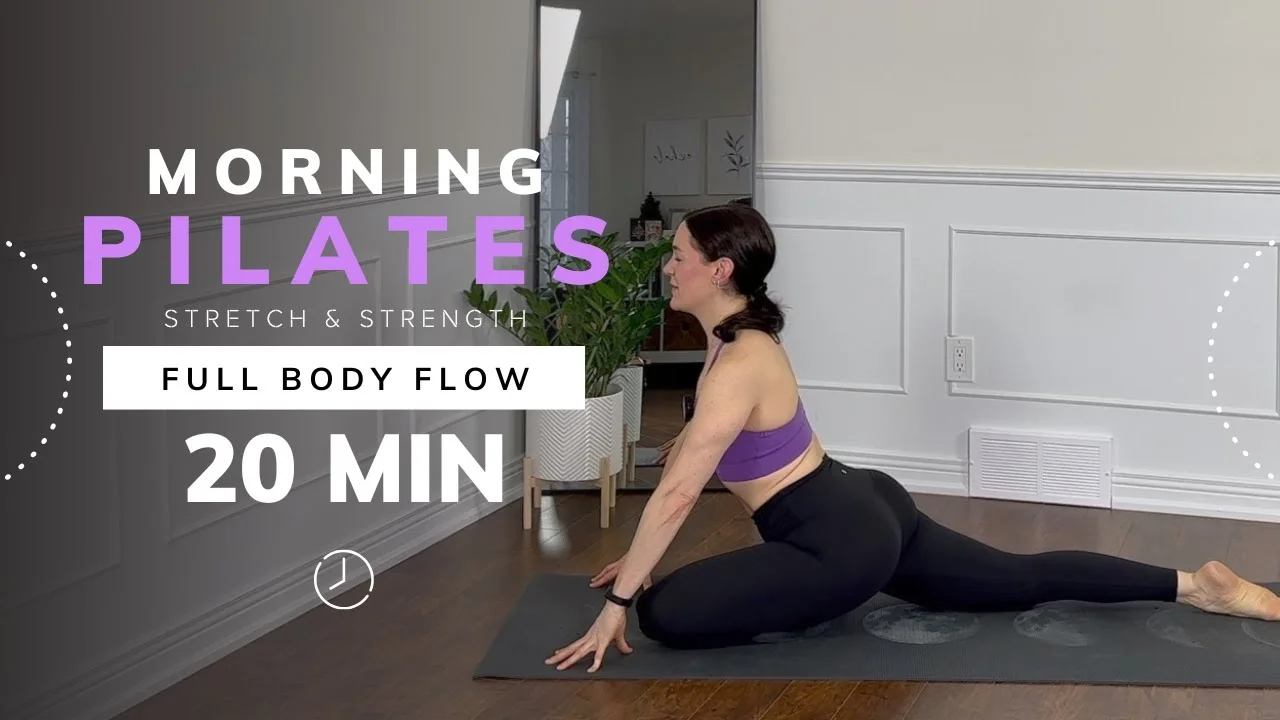
Pilates Flow: The ultimate guide to a transforming exercise class
Want to strengthen core, correct posture and acquire functional flexibility? Pilates is an effective low impact exercise that changes your body through focused movements, proper alignment and deep breathing. From the novice to the athlete, this guide will be the roadmap you need to learn your Pilates practice.
The basics of Pilates
Pilates is more than just an exercise regime, it is a system that can enhance your physical and mental health. Combining body and mind, one can anticipate:
- More Flexibility: Stretches muscles and enhances joint mobility.
- Core Stability: Develops a stable core for optimum functional movement.
- Better Posture: straightens the back and corrects the muscles that support the way you move throughout your day.
- Mental Clarity: Supports mindful breathing and stress reduction with rhythmic, focused breathing.

Mastering the Essential Pilates Principles
To maximise your flow, pay attention to the following pillars:
| Principle | Focus |
|---|---|
| Control | Moving with intent, not momentum; avoiding injury. |
| Concentration | Being able to maintain 100% mental focus to make sure that the body is in proper position. |
| Centering | The “powerhouse” – abdomen, lower back and hips. |
| Precision | Correctly performing movements with alignment. |
A 15-minute home Pilates flow sequence for you
The following sequence should be smooth and continuous. Do each exercise concentrating on breathing.
- Warm-Up (5 min) – Deep breathing, Cat-Cow stretches and arm circles.
- The Hundred: Lying on your back, raise your head/shoulders and pump your arms to wake up your core.
- Roll-Up: Pay attention to articulating your spine, vertebra by vertebra to improve back flexibility.
- Leg Circles: Stabilize pelvis and move leg to enhance hip mobility.
- Plank: Stay for 30-60 seconds, to lock in core strength.
- Cool Down (5 min): Child’s Pose, spinal twists, butterfly stretches.

Widespread errors to steer clear of
These are some common pitfalls even experts can fall into. To get a quicker return on investment, correct them:
- Rushing :Pilates isn’t about rushing. Very slow and careful movements work the muscles better.
- Holding your breath: Always synchronize your breathing with your movement: breath out on the effort (exertion).
- Ignore Form: If you’re feeling it in your neck or low back and not in your core, STOP and realign. To see how you are sitting, look in a mirror or record yourself.
Questions and answers (Q&A)
Conclusion
Pilates is a journey to the more balanced, stronger and flexible YOU. Practice with emphasis on quality, not quantity and be consistent and you will soon begin to feel better, more energetic, and more in tune with your body. Let’s start your first flow today – your future self will thank you for it!
Disclaimer
This information is intended for general purposes and is not meant to be medical advice. Before starting any exercise program, always seek advice from a doctor or certified fitness instructor, particularly if you have a health concern or injury.
Sources
- Mayo Clinic: Pilates – Improve Your Core Strength and Flexibility.
- American Council on Exercise (ACE): The Benefits of Pilates-Based Exercises.
- Original content adapted and refined from various fitness wellness best practices (Credit: www.fitandwell.com).

Health & Wellness Writer | Research-Informed Health Content Creator
A.K.M. Monjurul Hoque is a health and wellness writer specializing in health, beauty, fitness, nutrition and healthy living. His content is informed by health journals, books, seminars, training programs, and discussions with experienced healthcare professionals. He writes clear, practical and research-informed articles for general education and encourages readers to seek personalized advice from qualified medical professionals.