





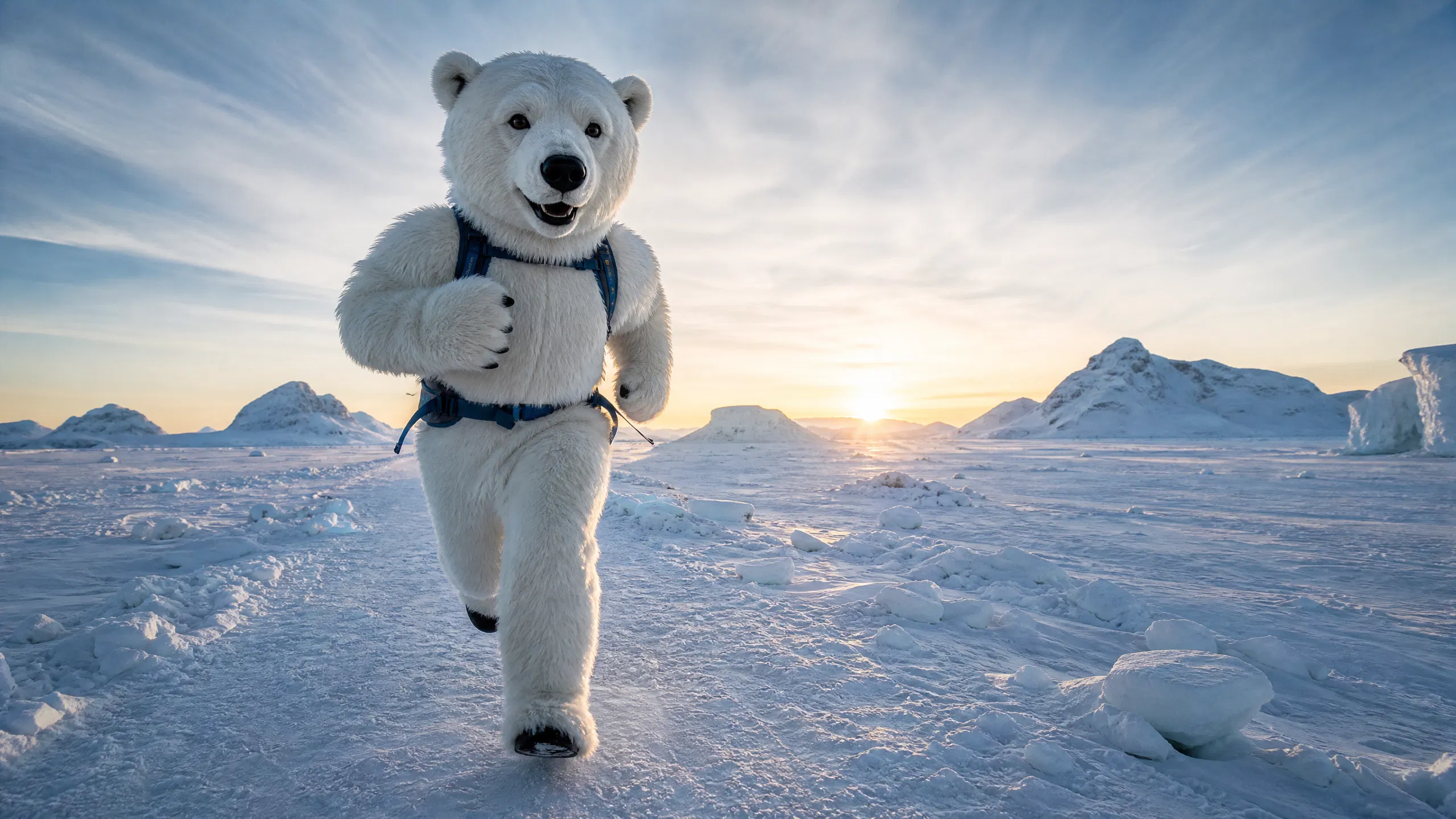
Beyond the Frost: How a Polar Bear-Clad Athlete Shattered the Ice Marathon World Record
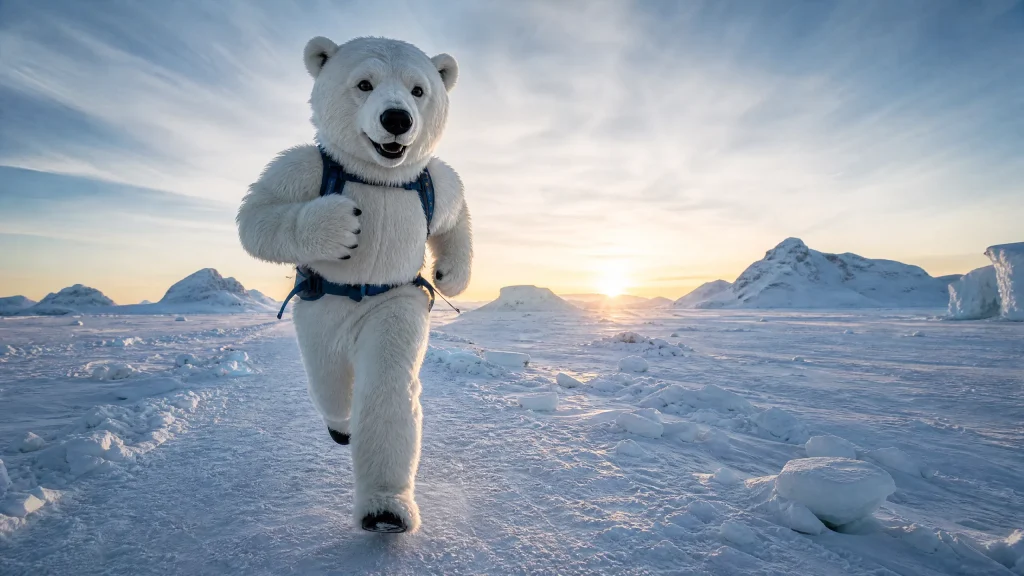
Introduction: The Ultimate Test of Endurance and Resolve
Imagine the sheer physical and mental toll of running a full 26.2-mile marathon (42.195 kilometers) [1]. Now, subtract the warmth of the sun, replace the asphalt with treacherous sheets of ice, drop the ambient temperature well below freezing, and strap yourself into a bulky, fur-heavy polar bear costume. While most would consider this an impossible nightmare, for British endurance runner and school teacher Gill Punt, it was a mission of passion, resilience, and charitable triumph [2] [3].
Setting a new world record at extreme endurance events is rare enough, but doing so while encased in a mascot-style costume redefines human capability. This remarkable achievement has captured global attention, shining a light on the mental fortitude required for extreme sports and the powerful motivations that drive athletes to push past their absolute limits.
The Anatomy of an Ice Marathon
Ice marathons—such as the PolarNight Marathon in Tromsø, Norway, or the grueling Antarctic Ice Marathon—are among the most punishing athletic competitions on Earth [2] [4]. Participants are subjected to a brutal combination of sub-zero temperatures, high-velocity winds, slippery snow-packed tracks, and, in polar winter events, total darkness [2].
Running in these conditions requires meticulous planning, specialized thermal gear, and extraordinary cardiovascular capacity. When you introduce an unorthodox variable like a heavy, non-aerodynamic mascot costume, the physical demands multiply exponentially. The suit restricts natural movement, traps sweat (which rapidly chills the body), and significantly increases wind resistance.
| Marathon Aspect | Standard Marathon | Extreme Ice Marathon | Polar Bear Suit Challenge |
|---|---|---|---|
| Terrain | Paved asphalt or concrete | Packed ice, snow, uneven trails | Slippery ice with restricted visibility |
| Temperature | Mild to moderate (10°C–20°C) | Sub-zero (-10°C to -40°C) [5] | Sub-zero + trapped body heat / sweat |
| Friction & Weight | Minimal clothing weight | Specialized lightweight thermal gear | Heavy, moisture-absorbing mascot suit |
Breaking the Record: A Triumph in Tromsø
In January 2025, Gill Punt took on the daunting PolarNight Marathon held in Tromsø, Norway [2]. Navigating a challenging course through dark mountain passes with temperatures hovering around -10°C (14°F), Punt crossed the finish line in an astonishing 4 hours, 58 minutes, and 29 seconds [2].
This remarkable performance officially secured her the Guinness World Record for the fastest ice marathon dressed as a mammal (female) [2]. Rather than viewing the heavy polar bear suit as an insurmountable obstacle, Punt embraced it as a powerful symbol. The costume served not only as a formidable physical challenge but also as a beacon to draw attention to wildlife conservation and the fragile beauty of polar ecosystems.
“It was a great honour to run the prestigious PolarNight Marathon in Tromsø. Norway's biggest winter race saw us all facing hostile, hard, challenging conditions, but what an exhilarating adventure to run in such stunning scenery.” — Gill Punt [2]
The Power of Purpose: Running for a Cause
Behind the Guinness World Record and the viral headlines lies a deeply personal mission. Punt’s endurance feats are dedicated to the memory of her father, Mike, who passed away from cancer [2]. Over years of grueling marathons and extreme endurance challenges, her unique campaigns have collectively raised more than £1.96 million for Cancer Research UK (CRUK) [2].
Running in a polar bear suit bridges the gap between athletic spectacle and emotional advocacy. It captures the public’s imagination, transforming a personal athletic milestone into a community-driven movement. When spectators see a polar bear running through sub-zero Arctic darkness, it sparks conversations about perseverance, climate awareness, and the collective fight against disease.
Training and Mental Fortitude
Achieving a world-record time in sub-zero conditions while wearing a bulky costume requires a dual-pronged approach: relentless physical conditioning and unwavering mental resilience.
1.Cardiovascular and Strength Training: Athletes must build exceptional aerobic capacity to compensate for the reduced oxygen efficiency in cold, high-altitude or polar environments, supplemented by core and leg strength to stabilize against uneven ice.
2.Thermal Acclimatization: Training in refrigerated chambers or sub-zero outdoor climates helps the body adapt to vasoconstriction and reduces the shock of extreme cold.
3.Costume Simulation: Running weighted or in restricted gear is crucial to prevent chafing, joint strain, and balance issues caused by uneven weight distribution.
4.Mental Toughness: Combatting sensory deprivation inside a costume hood while managing pain and fatigue requires advanced mindfulness, visualization, and cognitive pacing.
Conclusion
The story of the polar bear-clad ice marathon record is much more than a quirky headline; it is a profound testament to the heights of human determination. By conquering treacherous ice, freezing winds, and the immense physical burden of a heavy costume, athletes like Gill Punt prove that boundaries are largely self-imposed. Whether inspiring future generations of endurance runners or raising millions for vital charitable causes, this extraordinary feat reminds us that passion, grit, and purpose can turn the impossible into reality.
Frequently Asked Questions (FAQ)
What is an ice marathon?
An ice marathon is an extreme endurance race covering the standard 26.2 miles (42.195 kilometers) across frozen terrain, typically in polar regions like Antarctica or northern Norway, with sub-zero temperatures and icy surfaces [1] [2] [5].
Who holds the world record for running an ice marathon in a polar bear costume?
British runner and educator Gill Punt holds the Guinness World Record for the fastest ice marathon dressed as a mammal (female), completing the PolarNight Marathon in 4 hours, 58 minutes, and 29 seconds [2].
Why do athletes run marathons in heavy costumes?
Many runners take on extreme costume challenges to capture public attention, inject fun into grueling events, and raise significant awareness and funds for charitable organizations and wildlife conservation [2].
How do runners manage the extreme cold during an ice marathon?
Athletes rely on specialized thermal layers, windproof outerwear, moisture-wicking materials to prevent sweat from freezing, and rigorous physical acclimatization to protect against hypothermia and frostbite.
Disclaimer
I am an AI, not a professional sports coach, medical doctor, or safety expert. The information in this article is provided for educational and inspirational purposes only. Extreme endurance sports, especially in polar environments, carry severe health risks including hypothermia, frostbite, and cardiovascular distress. Always consult qualified medical professionals and experienced expedition guides before attempting extreme physical challenges.
References
1.Guinness World Records – Marathon Rules & Distances
3.BBC News – I set an ice marathon world record as a polar bear
4.Antarctic Ice Marathon Official Website
5.UPI – Ice marathon runner dons polar bear suit, breaks world record

Health & Wellness Writer | Research-Informed Health Content Creator
A.K.M. Monjurul Hoque is a health and wellness writer specializing in health, beauty, fitness, nutrition and healthy living. His content is informed by health journals, books, seminars, training programs, and discussions with experienced healthcare professionals. He writes clear, practical and research-informed articles for general education and encourages readers to seek personalized advice from qualified medical professionals.