For many, a meal isn’t complete without a dash of tanginess. A squeeze of fresh lemon over a steaming plate of dal and rice or a flavorful fish curry is a beloved ritual in many households, especially in Bengali culture. That zesty kick and refreshing aroma can elevate a simple dish into something truly special. But have you ever paused to wonder if this common practice is actually good for your health?
While the flavor is undeniable, the timing of that squeeze makes all the difference to the nutritional benefits you receive. Let’s delve into whether your favorite citrusy habit is a flavorful satisfaction or a hidden health risk.
The Power of a Humble Lemon: A Vitamin C Powerhouse
That small yellow fruit is packed with a mighty nutrient: vitamin C. This essential vitamin is crucial for our overall well-being. Here’s a glimpse of what it does for you:
- Boosts Your Immunity: Vitamin C is a key player in your immune system, helping your body fight off infections.[1][2] It encourages the production of white blood cells that act as your body’s protectors against illness.[1]
- Keeps Your Skin Glowing: It plays a vital role in collagen production, which is essential for healthy skin, blood vessels, bones, and cartilage.[2][3][4]
- Enhances Iron Absorption: Vitamin C helps your body absorb iron from plant-based foods, which is particularly important for preventing iron deficiency and anemia.[1]
- Acts as a Powerful Antioxidant: It helps protect your cells from damage caused by harmful molecules called free radicals, which can contribute to chronic diseases.[1][4][5]
The Heat Dilemma: Where Does the Goodness Go?
Here’s the catch: vitamin C is a sensitive nutrient. When it’s exposed to high temperatures, it begins to break down.[6][7][8][9] So, when you squeeze lemon juice directly onto piping hot rice or into a simmering curry, you’re unintentionally destroying a significant portion of its vitamin C content.[9][10][11] While not all of it disappears instantly, the hotter the food and the longer the exposure, the more nutrients are lost.[6][12]
This means that while you’re still getting that delicious sour taste, you’re missing out on the fantastic health benefits that the lemon has to offer. The heat can also alter the fresh, zesty flavor of the lemon, sometimes making it taste slightly bitter.[10]
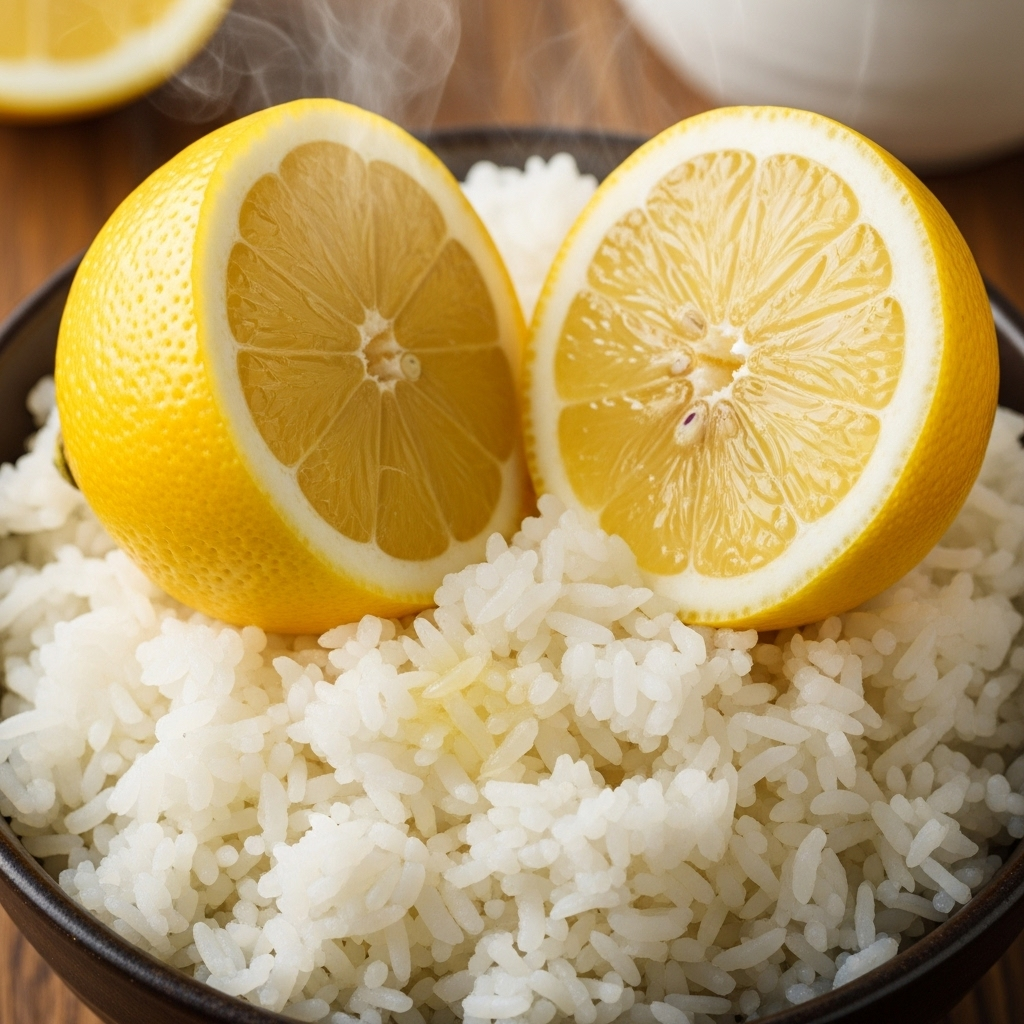
The Simple Solution: A Little Patience Goes a Long Way
So, what’s the secret to enjoying both the flavor and the full nutritional punch of lemon? It’s all about timing.
Instead of adding lemon juice to your food while it’s still sizzling hot, simply wait a few minutes for it to cool down slightly. If you’re adding it to a cooked dish, take it off the stove and then stir in the lemon juice just before serving. This small change in your routine will help preserve the delicate vitamin C and ensure you get the maximum health benefits.[10]
Conclusion: A Small Change for a Healthier You
The tradition of adding a sour element to our meals is a cherished one. By making a minor adjustment to when you add your lemon juice, you can continue to enjoy that beloved tangy flavor while also reaping the full nutritional rewards. It’s a simple step that allows you to savor the taste and nourish your body at the same time. So, the next time you reach for that lemon, remember to let your food cool just a bit – your health will thank you for it.
Frequently Asked Questions (FAQ)
Q: Does hot water completely destroy the vitamin C in lemon?
A: No, it doesn’t destroy it completely, but it does significantly reduce the amount of vitamin C.[7][10] The hotter the water, the more vitamin C is lost. Lukewarm water is a much better option if you’re making lemon water.[7][9]
Q: What are the main benefits of vitamin C?
A: Vitamin C is a powerful antioxidant that boosts your immune system, helps with iron absorption, is essential for healthy skin and bones, and aids in wound healing.[1][2][3][4][5]
Q: Is it okay to add lemon juice to warm food?
A: Yes, adding lemon juice to warm food is better than adding it to piping hot food. The key is to avoid extreme heat to preserve the vitamin C content.
Q: Does the flavor of lemon change with heat?
A: Yes, if lemon juice is cooked for too long, its fresh, zesty flavor can diminish and it may develop a bitter taste.[10] Adding it at the end of cooking or just before serving will preserve its bright flavor.
Sourceshelp