
In the hustle and bustle of modern life, it’s easy to let healthy habits fall by the wayside. But taking care of your heart doesn’t have to be a chore. In fact, it can be a delicious journey of discovery. By incorporating certain foods into your diet, you can actively support your cardiovascular health and pave the way for a longer, healthier life.
Here are seven heart-loving foods that will thank you with every beat:
1. Fatty Fish: A Wave of Heart-Healthy Fats
Dive into the delicious world of fatty fish like salmon, mackerel, herring, and tuna.[1][2][3] These swimmers are packed with omega-3 fatty acids, a type of unsaturated fat that plays a crucial role in heart health.[4][5] Omega-3s can help reduce triglycerides (a type of fat in your blood), slow the buildup of plaque in your arteries, and even help lower your blood pressure.[5][6] The American Heart Association recommends eating at least two servings of fish per week, particularly fatty fish, to reap these benefits.[5]

2. Leafy Greens: A Symphony of Nutrients
Spinach, kale, and collard greens are more than just a salad base; they’re nutritional powerhouses for your heart.[7] These vibrant greens are loaded with vitamins, minerals, and nitrates, which have been shown to help manage blood pressure and improve the function of your blood vessels. They are also a good source of fiber, which can help lower cholesterol.[8]
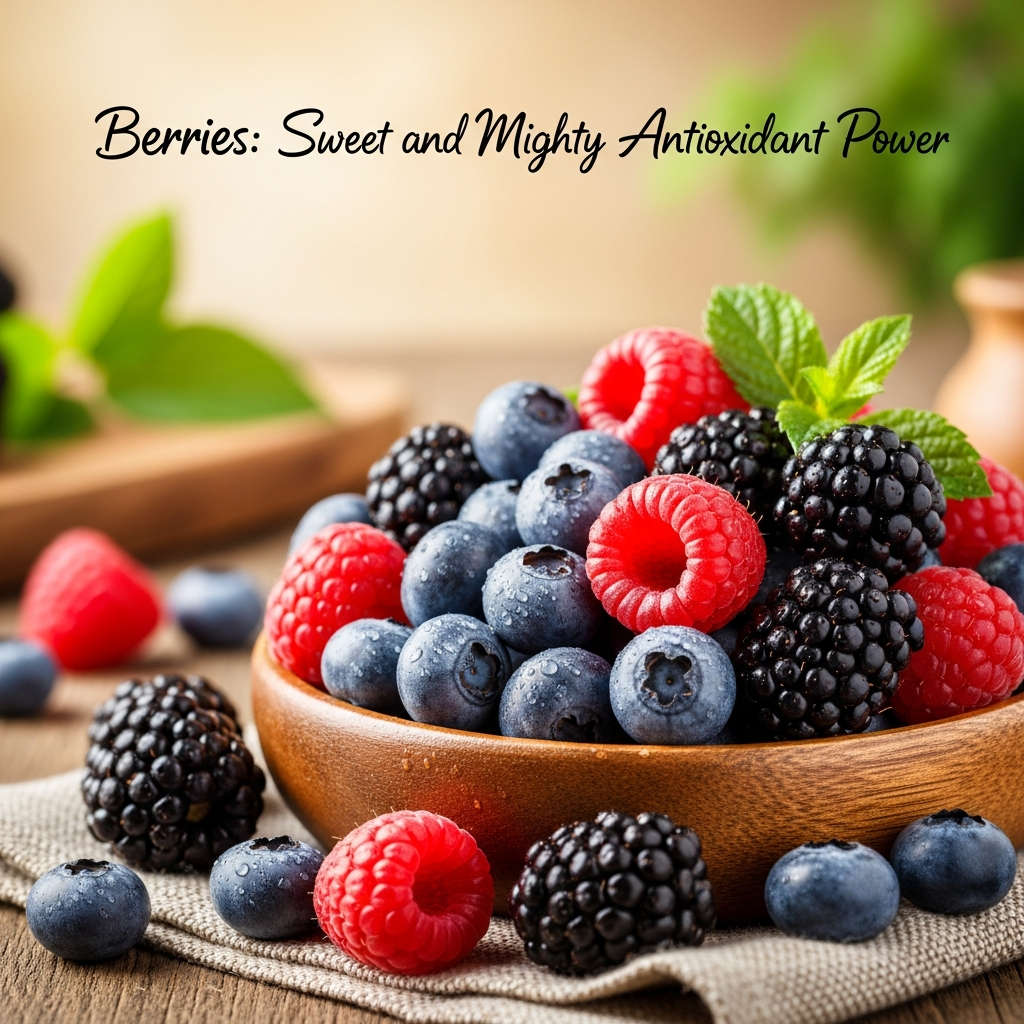
3. Berries: Sweet and Mighty Antioxidant Power
Blueberries, strawberries, raspberries, and blackberries are not only bursting with flavor but also with heart-protective antioxidants called anthocyanins. These compounds are believed to help reduce the build-up of plaque in arteries and support healthy blood flow.[9] Enjoy a handful as a snack, add them to your morning oatmeal, or blend them into a smoothie for a heart-healthy treat.
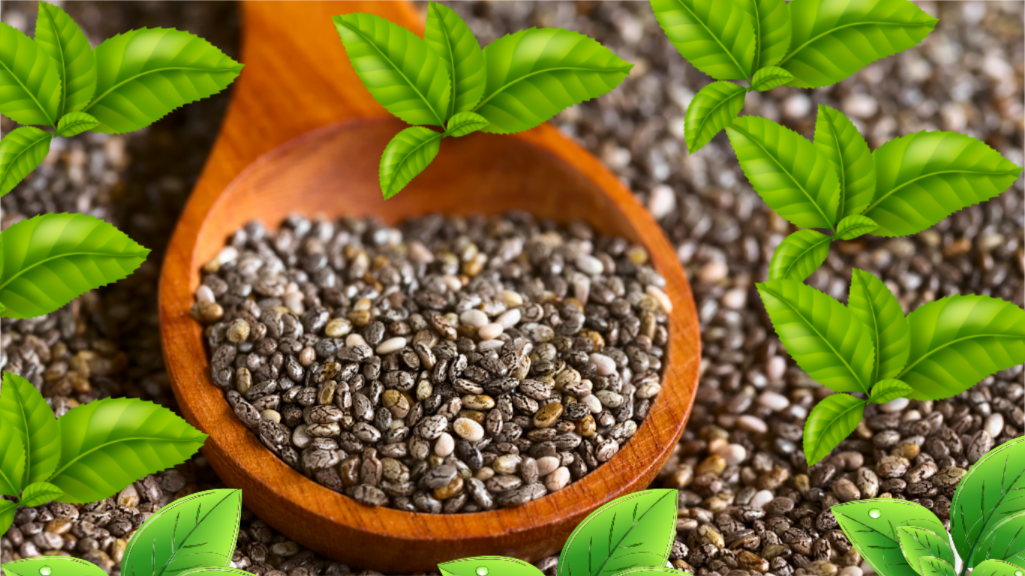
4. Nuts and Seeds: A Crunchy Path to a Healthier Heart
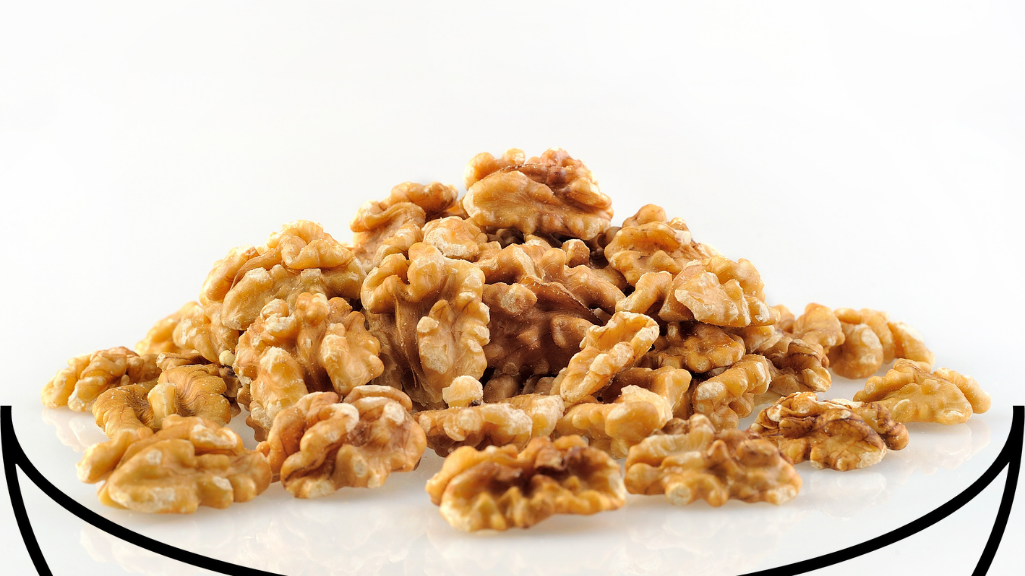
Don’t be fooled by their small size; nuts and seeds are packed with heart-healthy nutrients. Walnuts, in particular, are a great source of plant-based omega-3 fatty acids.[2][6] Almonds, flaxseeds, and chia seeds are also excellent choices, providing a good dose of fiber, healthy fats, and other beneficial compounds that can help manage cholesterol levels.[2][4][6] A small handful a day can make a big difference to your cardiovascular health.
6. Dark Chocolate: A Guilt-Free Indulgence
Good news for chocolate lovers! Dark chocolate with a high cocoa content (at least 70%) is rich in flavonoids, a type of antioxidant that can help improve heart health. Research suggests that the antioxidants in dark chocolate may help increase “good” HDL cholesterol and protect against cholesterol buildup.[9][10] Remember to enjoy it in moderation as part of a balanced diet.

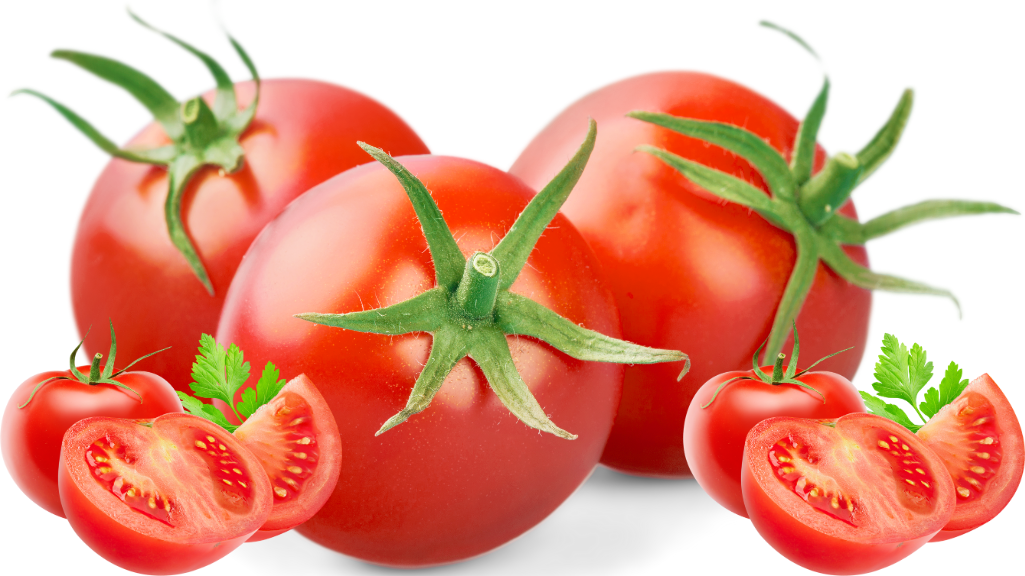
7. Tomatoes: Bursting with Lycopene’s Protective Power
These vibrant fruits are a fantastic source of lycopene, a powerful antioxidant that gives them their red color.[11] Lycopene has been linked to a reduced risk of heart disease and stroke.[12] Cooking tomatoes, such as in a sauce or soup, can actually increase the amount of lycopene your body can absorb.
Conclusion: Your Heart’s Best Friend is a Healthy Lifestyle
Incorporating these delicious and nutritious foods into your daily meals is a fantastic step towards a healthier heart. However, it’s important to remember that a holistic approach is key. A heart-healthy lifestyle also includes regular physical activity, maintaining a healthy weight, managing stress, and getting enough quality sleep. By making conscious choices to nourish your body and love your heart, you’re investing in a happier and healthier future.
Frequently Asked Questions (FAQ)
What is the best diet for heart health?
Diets rich in fruits, vegetables, whole grains, lean proteins, and healthy fats are consistently recommended for heart health.[13] The Mediterranean diet and the DASH (Dietary Approaches to Stop Hypertension) diet are two well-researched eating plans that have been shown to be particularly beneficial for the cardiovascular system.[13][14][15]
How do omega-3 fatty acids benefit the heart?
Omega-3 fatty acids, found abundantly in fatty fish, help lower triglycerides, reduce the risk of irregular heartbeats, slow the buildup of plaque in arteries, and may help to slightly lower blood pressure.[5][6]
Can antioxidants really help my heart?
Yes, antioxidants found in many plant-based foods help protect your cells from damage caused by unstable molecules called free radicals. This protection can help reduce the risk of heart disease.[11][12][16]
Is all chocolate good for my heart?
No, dark chocolate with a high cocoa content (70% or more) is the type that has been associated with heart health benefits due to its high concentration of flavonoid antioxidants. Milk chocolate and white chocolate do not offer the same protective effects.
How can I easily incorporate more heart-healthy foods into my diet?
Start with small, manageable changes. Try adding a serving of vegetables to every meal, swapping refined grains for whole grains, snacking on a handful of nuts instead of processed snacks, and aiming for at least two servings of fatty fish per week.[1][5]
Sourceshelp