




Lifestyle Changes After 60: How to Protect Your Brain from Alzheimer’s and Cognitive Decline
Aging gracefully isn’t just about staying physically fit—it’s also about keeping your mind sharp and resilient. If you’re over 60 and concerned about memory slips or the risk of Alzheimer’s disease, there’s uplifting news from recent research. Simple, everyday lifestyle changes can make a real difference in safeguarding your brain health, even if you have risk factors like a sedentary routine or poor eating habits. The U.S. POINTER study, a major breakthrough in Alzheimer’s prevention, shows that committing to healthier habits can slow cognitive decline and boost mental agility.
Presented at the Alzheimer’s Association International Conference, this study highlights how targeted lifestyle interventions can rewrite the story of aging for your brain. It’s a reminder that it’s never too late to start protecting your cognitive health through diet, exercise, and mental stimulation.
What the U.S. POINTER Study Reveals About Brain Health After 60

The U.S. POINTER (U.S. Study to Protect Brain Health Through Lifestyle Intervention to Reduce Risk) is a two-year clinical trial involving over 2,000 older adults aged 60 to 79 who were at higher risk for dementia due to factors like inactivity, unhealthy diets, or family history. Researchers divided participants into two groups: one followed a structured, intensive program, while the other took a more flexible, self-guided approach to lifestyle changes.
The goal? To see if these adjustments could improve cognition and reduce Alzheimer’s risk without relying on medications. The results were promising: both groups saw benefits, but the structured intervention led to noticeable improvements in cognitive function, proving that lifestyle changes after 60 can effectively shield the brain from decline.

Healthy Brain Aging—Memory and Brain Wellness Center
Key Components of the Brain-Protecting Lifestyle Program

What made this “brain boot camp” so effective? It focused on holistic, sustainable changes that anyone can adopt. Here’s a breakdown of the core elements:
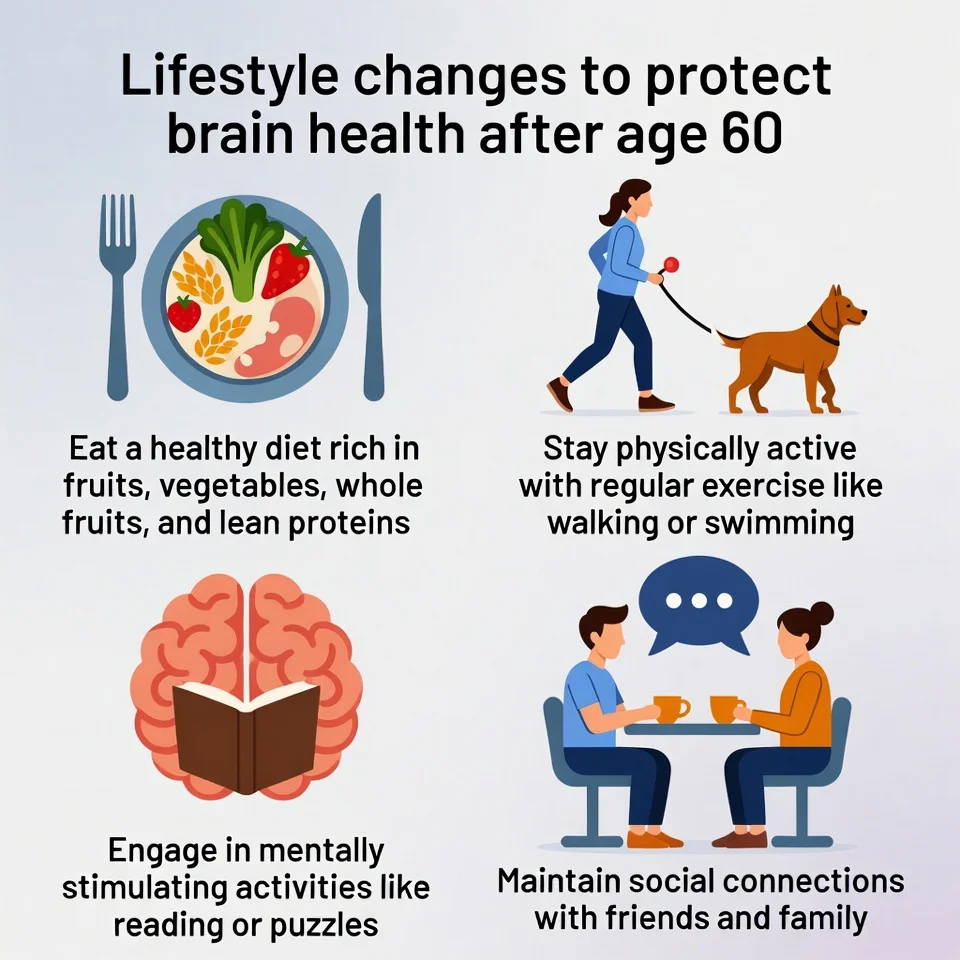
- Brain-Boosting Nutrition with the MIND Diet: Participants shifted to the MIND diet, which emphasizes foods rich in antioxidants and nutrients that support brain health. Think leafy greens, berries, nuts, fish, and whole grains—proven to lower Alzheimer’s risk and enhance cognitive function. This diet isn’t restrictive; it’s about incorporating brain-friendly foods into daily meals for long-term protection.
- Regular Exercise for Body and Mind: Ditching the couch for movement was key. The program included aerobic activities like walking or cycling, strength training, and flexibility exercises. These not only build physical strength but also promote better blood flow to the brain, reducing cognitive decline risks in seniors.
- Cognitive Training and Mental Challenges: Using tools like the BrainHQ app, participants engaged in daily exercises to sharpen memory, attention, and problem-solving skills. Social activities and intellectual pursuits, such as puzzles or group discussions, kept minds active and agile.
- Building a Support Network: The structured group had regular peer meetings and check-ins with health experts—38 sessions over two years—to stay motivated. The self-guided group had fewer meetings but still focused on personalized changes. Impressively, 89% of participants completed the program, showing how support systems make lifestyle changes after 60 more achievable.
These elements combined to create a comprehensive strategy for Alzheimer’s prevention, demonstrating that even modest adjustments in diet, exercise, and mental engagement can have profound effects on brain health.
Impressive Results: Turning Back the Clock on Cognitive Decline

The study’s outcomes were eye-opening. Participants in the intensive group showed significant improvements in cognitive tests, with benefits seen across genders, ethnicities, genetic risks (like APOE4 carriers), and even those with heart issues. Best of all, these gains were achieved purely through lifestyle interventions—no drugs involved.
As Heather Snyder, a key investigator, noted, “The next generation of treatments for diseases like Alzheimer’s will likely integrate drug and non-drug strategies.” This underscores the power of proactive steps in protecting brain health after 60.
Related Google News and Updates

For the latest developments on the U.S. POINTER study and similar research on lifestyle changes for Alzheimer’s prevention, check these recent articles:
- U.S. POINTER Study Shows Lifestyle Program Improves Cognition in Older Adults (July 2025)
- Structured vs Self-Guided Multidomain Lifestyle Interventions (JAMA, July 2025)
- U.S. POINTER Study Reports Positive Lifestyle Changes Could Improve Cognition (August 2025)
These sources provide fresh insights into how lifestyle tweaks can combat cognitive decline.
Conclusion
The U.S. POINTER study is a game-changer for anyone over 60 looking to protect their brain from Alzheimer’s and maintain sharp cognition. By embracing the MIND diet, staying active, challenging your mind, and seeking support, you can actively reduce risks and enjoy a vibrant mental life. Remember, small changes today can lead to big protections tomorrow—start your journey to better brain health now.
FAQ: Common Questions About Lifestyle Changes After 60 for Brain Health
What is the MIND diet, and how does it help prevent Alzheimer’s?
The MIND diet combines elements of Mediterranean and DASH diets, focusing on brain-boosting foods like vegetables, fruits, and healthy fats. It reduces inflammation and supports neuron health, lowering Alzheimer’s risk by up to 53% in adherents.
Can exercise really improve cognitive function in seniors?
Yes! Regular physical activity increases blood flow to the brain, promotes new cell growth, and reduces stress. The POINTER study showed aerobic and strength exercises significantly slowed cognitive decline in older adults.
Is it too late to start lifestyle changes if I’m already over 70?
Absolutely not. The study included participants up to 79, and benefits were seen regardless of age within that range. Starting now can still protect your brain health.
Do I need a doctor to start a program like this?
While consulting a healthcare professional is wise, especially with existing conditions, the self-guided approach in the study proves you can make changes on your own. Apps like BrainHQ make cognitive training accessible.
How long before I see benefits from these changes?
The POINTER study tracked improvements over two years, but many participants noticed sharper thinking within months. Consistency is key for long-term Alzheimer’s prevention.

Health & Wellness Writer | Research-Informed Health Content Creator
A.K.M. Monjurul Hoque is a health and wellness writer specializing in health, beauty, fitness, nutrition and healthy living. His content is informed by health journals, books, seminars, training programs, and discussions with experienced healthcare professionals. He writes clear, practical and research-informed articles for general education and encourages readers to seek personalized advice from qualified medical professionals.