




Forget the Numbers: 4 Functional Fitness Moves for Timeless Strength and Mobility
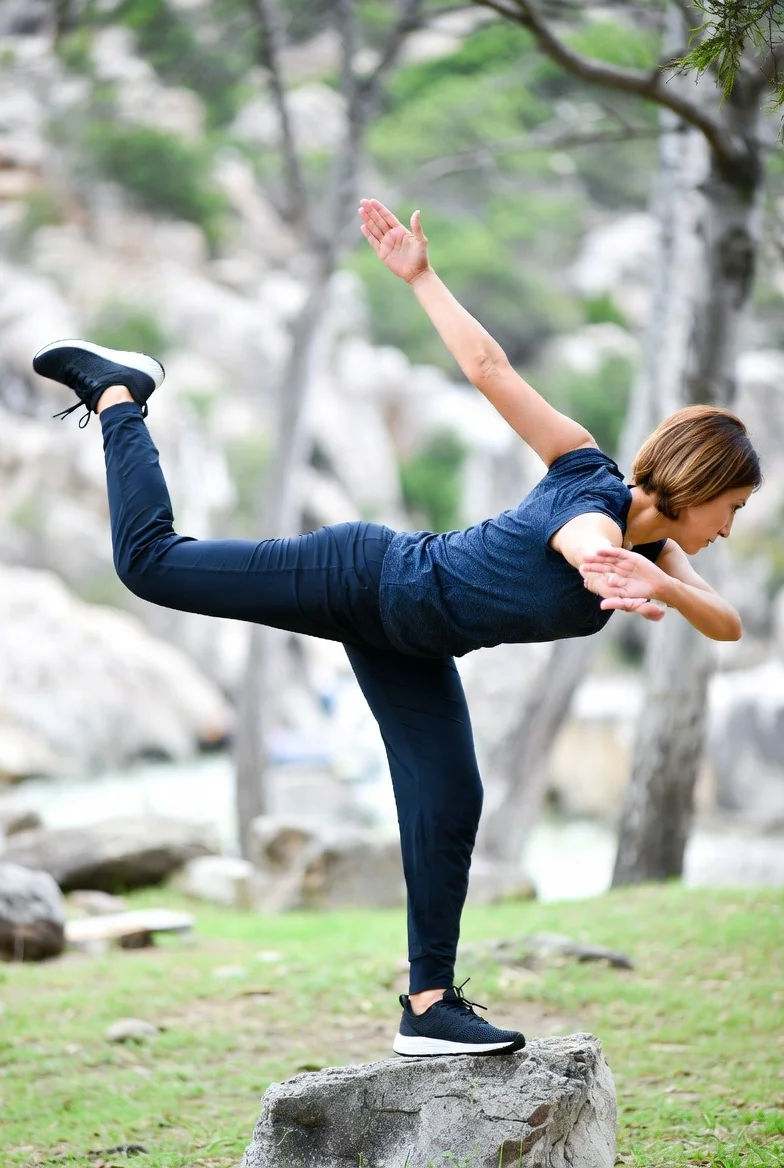
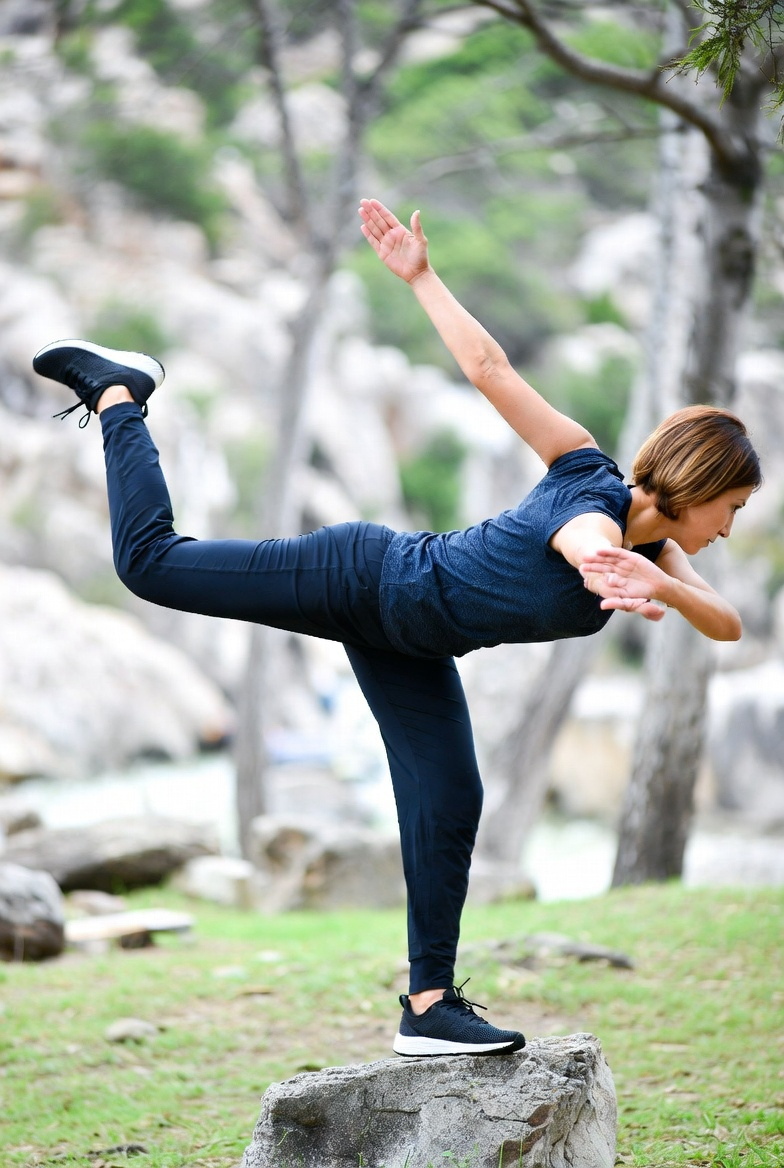
In today’s fast-paced world, we’re constantly chasing metrics—whether it’s our cholesterol levels, blood pressure readings, or the stubborn number staring back from the scale. But as we age, fixating on these digits can distract us from what truly defines a vibrant life: the freedom and power in our movements. Functional fitness isn’t about reclaiming lost youth; it’s about building a body that thrives in the real world, handling everyday tasks like getting up from a seat or chasing after loved ones with confidence and ease.
Ask yourself: Are you simply adding years to your life, or are you infusing those years with energy and purpose? The secret often hides in how effortlessly you perform basic actions, not in lab results. As Dr. Becca Jordre, a physical therapist with the National Senior Games Association, points out, “Traditional measures overlook the essence of function. Movement-based assessments reveal what you can actually achieve, incorporating elements like neurological control, pain management, skill, and even your drive to succeed.” It’s all about honoring your body’s potential rather than dwelling on its supposed shortcomings.
Echoing this, Olympian and USA weightlifting coach Caine Wilkes from BarBend stresses the importance of shifting focus to practical strength. So, let’s set aside the numerical noise and dive into four transformative movements that foster ageless resilience. Master these with mindfulness and precision, and you’ll discover a body that’s not just enduring time but dancing through it, no matter your age.
1. The Sit-to-Stand: Your Gateway to Everyday Independence

This everyday action might seem basic, but it’s a powerful gauge of your lower-body power, balance, and overall mobility. Think of it as a daily check-in that highlights your capacity to stay independent and ward off falls. Dr. Jordre highlights it as a key marker for long-term autonomy in aging.
Here’s how to perform it smoothly:
- Start by sitting on a stable chair backed against a wall for safety.
- Rise to a full stand without relying on your arms, engaging your legs and core fully.
- Lower yourself back down with control, avoiding any sudden drops.
- Aim for five controlled repetitions, prioritizing smooth technique over haste.
Incorporating this into your routine can reveal and enhance hidden strengths, making daily life feel more fluid.
2. The Bodyweight Squat: Building Lower-Body Harmony

No need for fancy equipment or gym memberships—the bodyweight squat is a cornerstone of functional training, blending strength with flexibility in your hips, knees, and ankles. It’s perfect for injury prevention and easing through life’s bends and lifts. As certified personal trainer Amanda Dvorak from Garage Gym Reviews notes, it’s an excellent revealer of your lower-body capabilities and joint health.
Master the form like this:
- Stand with feet shoulder-width apart, toes slightly outward.
- Reach arms forward for balance or rest hands on hips.
- Hinge at the hips and knees as if easing into an invisible chair.
- Descend until thighs are parallel to the ground, keeping your spine neutral and core tight.
- Push through your heels to rise back up, squeezing your glutes at the top.
This move not only boosts power but also promotes suppleness, turning routine activities into effortless endeavors.
3. The Half-Kneel to Stand: Mastering Life’s Ups and Downs

From retrieving a fallen item to tending your garden, life demands fluid shifts between positions. This exercise sharpens your coordination, leg strength, and stability, preparing you for those unpredictable moments. Amanda Dvorak explains it as a test of “real-world transitions that become tougher over time,” helping you navigate them with poise.
Follow these steps:
- Begin in a half-kneeling position, one knee down and the other foot planted ahead.
- Keep your posture upright, core activated.
- Shift weight forward onto the front foot, powering through your glutes and quads.
- Rise to a stand without hand assistance.
- Reverse the motion slowly to return to the kneel.
Practicing this builds the confidence to handle whatever level changes come your way.
4. The Bear Crawl: Awakening Core Power and Coordination

Build an Unstoppable Core and Upper Body with the Bear Crawl | BarBend
Channel your primal side with the bear crawl—it’s far from ferocious but incredibly effective for integrating core stability, shoulder strength, hip flexibility, and full-body sync. Caine Wilkes calls it a multifaceted challenge that “assesses coordination, stability, mobility, and endurance—all in one go.” For a visual demo, check out this helpful tutorial: Bear Crawl Demonstration.
Get into the groove:
- Start on all fours, knees hovering slightly off the ground, back flat.
- Step forward with your left hand and right foot together, staying low.
- Alternate with right hand and left foot.
- Crawl ahead steadily, like a prowling bear, focusing on controlled, even movements.
This exercise reignites your body’s innate agility, making it a fun yet potent addition to any routine.
Conclusion: Step Into a Stronger Tomorrow
Embracing these four moves shifts the spotlight from rigid numbers to joyful, capable movement. By prioritizing functional fitness, you’re not just aging—you’re evolving into a more resilient version of yourself. These exercises empower you to live fully, with the grace and vigor to enjoy every moment. Start small, listen to your body, and watch as your strength becomes timeless. Remember, it’s never too late to rediscover the dance of life.
FAQ
What is functional fitness, and why is it important for aging?
Functional fitness focuses on exercises that mimic daily activities, improving strength, balance, and flexibility to maintain independence. As we age, it helps prevent injuries, boosts mobility, and enhances quality of life beyond mere metrics.
How often should I practice these moves?
Aim for 2-3 sessions per week, starting with 5-10 repetitions per move. Consult a doctor or trainer if you’re new to exercise, and always prioritize form to avoid strain.
Do I need any equipment for these exercises?
No special gear is required—these are bodyweight moves you can do at home. A sturdy chair for the sit-to-stand is helpful, but that’s it.
Can beginners or those with mobility issues try these?
Absolutely, but modify as needed (e.g., use hands for support initially). Start slow, and seek guidance from a physical therapist to tailor them to your level.
Will these exercises help with weight loss or specific health metrics?
While they build muscle and improve metabolism, the goal is functional strength, not direct number-chasing. Pair them with a balanced diet for broader health benefits.

Health & Wellness Writer | Research-Informed Health Content Creator
A.K.M. Monjurul Hoque is a health and wellness writer specializing in health, beauty, fitness, nutrition and healthy living. His content is informed by health journals, books, seminars, training programs, and discussions with experienced healthcare professionals. He writes clear, practical and research-informed articles for general education and encourages readers to seek personalized advice from qualified medical professionals.