Neuropathic pain is a major health care problem, afflicting millions worldwide and leading to widespread morbidity. This type of pain arises from damaged or malfunctioning nerves, resulting in distorted pain signal processing. Among the common causes are diabetes, shingles, spinal injuries and chemotherapy. People feel burning, tingling, or electric shock sensations, or rupture of an organ.
Management typically involves a mix of medications, physical therapy, and behavioral changes. With early diagnosis and treatment, quality of life can be improved. Always best to meet with a health professional for personalized care. Knowledge about neuropathic pain is the key to understand the symptoms and seek early intervention. Such efforts can result in improved outcomes, better pain management strategies, and more efficient usage of available resources.
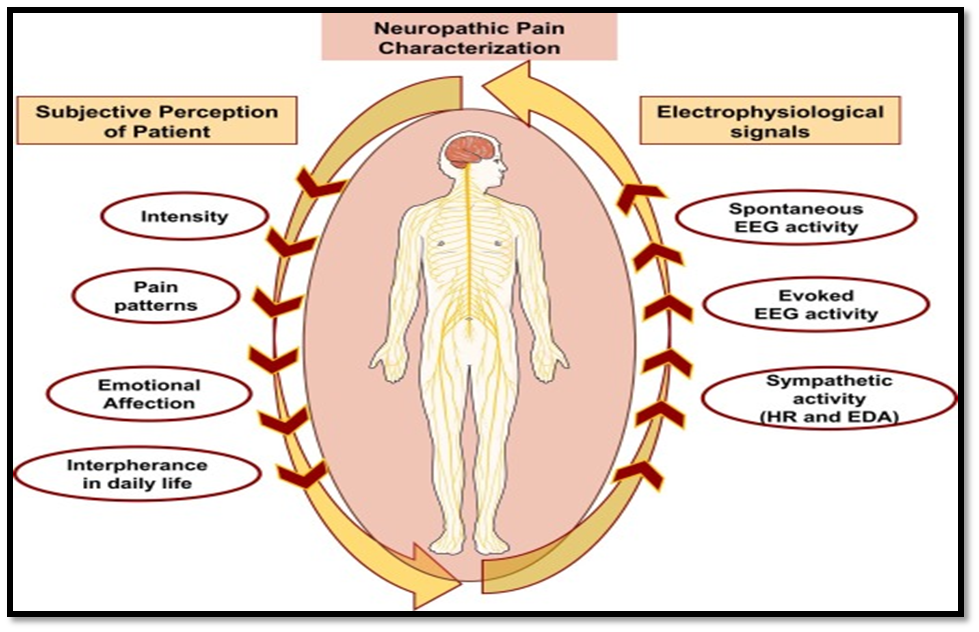
Credit: www.sciencedirect.com
Causes Of Neuropathic Pain
Neuropathic pain is a complex condition that occurs as a result of nerve damage. There could be many reasons for this. Awareness of these triggers can aid in managing the pain better.
Common Triggers
There are several known causes of neuropathic pain. Injuries are a primary cause. This includes injuries or surgical procedures that are damaging to nerves. Infection can also be behind it. Some viruses, like the shingles virus, can invade nerve tissues. Diabetes can be a major contributor as well. Over time, high blood sugar damages nerves.
- Injuries
- Infections
- Diabetes
Underlying Conditions
Some diseases can cause neuropathic pain. One such condition is multiple sclerosis. It harms the protective sheath around nerves. Tumors or treatments can also damage nerves from cancer. Another underlying condition is chronic kidney disease. Nerve function is altered by the build-up of toxins in the body. Diseases like lupus, those autoimmune diseases, can get your immune system going for your nerves.
| Condition DescriptionMultiple SclerosisDamages the protective covering of nervesCancerCauses nerve damage through tumors or treatmentsChronic Kidney DiseaseToxins build up and affect nervesAutoimmune DiseasesImmune system attacks nerves |
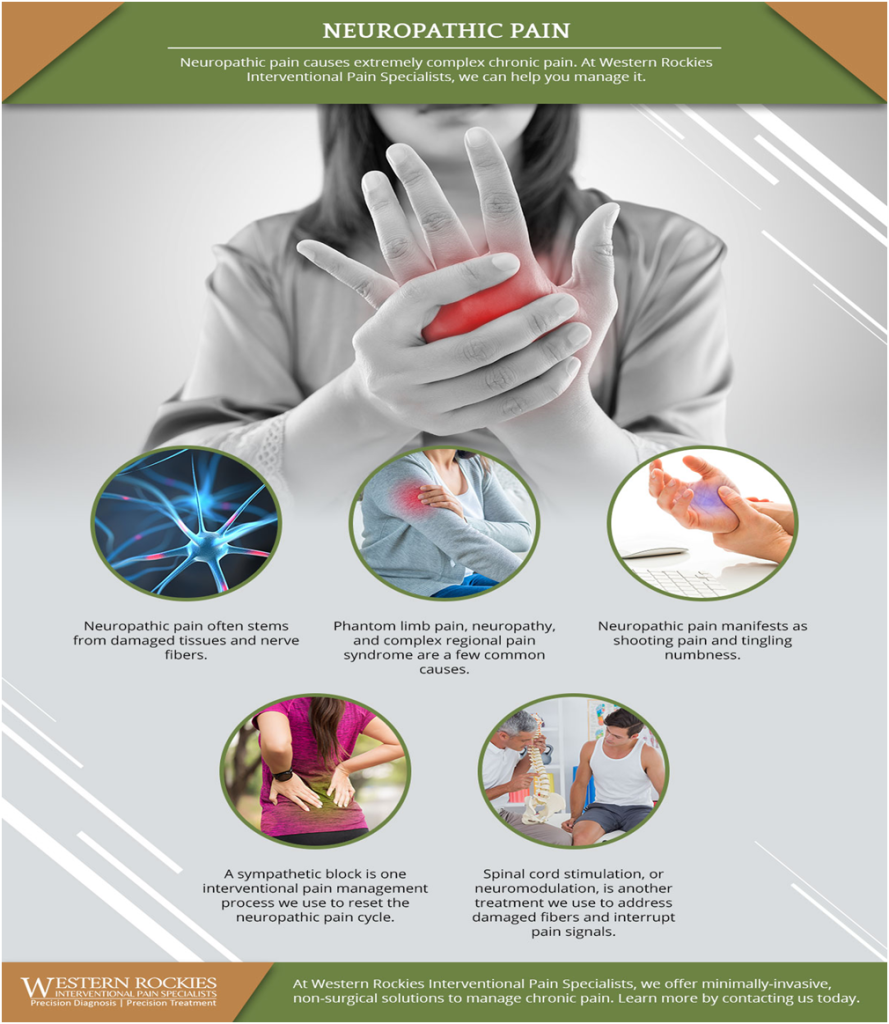
Credit: www.westernrockiespainmanagement.com
Symptoms And Diagnosis
Neuropathic pain is certainly a complex phenomenon. It is caused by damage or dysfunction of the nerves. Physicians must understand its signs and diagnostics to effectively manage it. This section will describe how to recognize symptoms and how to diagnose them.
Identifying Symptoms
Neuropathic pain is experienced in different forms. Here are the common symptoms:
- Burning Sensation: A persistent burning feeling.
- Shooting Pain: Sudden, sharp pain that feels like an electric shock.
- Numbness: Loss of sensation in the affected area.
- Tingling: A prickling or “pins and needles” feeling.
- Allodynia: Pain from stimuli that don’t usually cause pain, like light touch.
- Hyperalgesia: An increased sensitivity to pain.
Diagnostic Methods
Multiple steps are required to diagnose neuropathic pain. Doctors have different ways of narrowing down the problem:
- Details of Patient: In-depth questions regarding symptoms and medical history
- Neurological Examination: Looking for evidence of nerve damage.
- Neurological Tests: Tests for reflexes, muscle strength, and sensory function.
- Imaging Tests: MRI or CT scans to check for structural issues.
- Electromyography (EMG): Assessing the electrical activity of muscles.
- Nerve Conduction Studies (NCS): How quickly electrical signals travel down a nerve
Table 1. Diagnostic methods in neuropathic p
| Method | Description |
| Patient History | Questions about symptoms and past medical incidents. |
| Physical Examination | Asking about any nerve problems that could be seen. |
| Neurological Tests | Reflexes, Strength, Sensory Responses |
| Imaging Tests | MRI or CT scan to rule out structural problem. |
| EMG | Recording electric activity of muscles. |
| NCS | Speed (in terms of electrical signals) of nerver transmission. |
Pharmacological Treatments
Neuropathic pain is very difficult to treat. Medications provide some relief. These treatments address the root causes of nerve pain. Here are various medication options to consider.
Pain Medications
Pain medications play a key role in managing neuropathic pain. Here are some common types:
- Nonsteroidal anti-inflammatory drugs (NSAIDs): Decrease inflammation, reduce pain
- Opioids: Essentially offer relief from pain, with a risk of addiction.
- Topical treatments: Creams or patches applied to the skin, including lidocaine or capsaicin.
ach class of drugs comes with its own advantages and potential side effects.
Antidepressants And Anticonvulsants
Antidepressants and anticonvulsants are effective for neuropathic pain. They do so by changing nerve signals in the brain.
Antidepressants for pain may include:
- Tricycles antidepressants (TCAs): amitriptyline, nortriptyline
- Serotonin–norepinephrine reuptake inhibitors (SNRIs): Duloxetine, venlafaxine
Commonly prescribed anticonvulsants are:
- Gabapentin: used to block nerve pain
- This can be in the form of traditional medicines, such as the following Pregabalin: Relieves pain and enhances the quality of life
Both types of medications are effective in controlling neuropathic pain symptoms.
Non-pharmacological Therapies
Neuropathic pain is not easy to treat. Medications improve some cases, but non-pharmacological therapies provide substantial relief. These therapies offer holistic methods to cope with pain without drugs. Read about some good options below.
Physical Therapy
Physical therapy can help improve movement and strength through exercises and techniques. It also helps alleviate pain and increase mobility. Your need is assessed and a plan is created specifically for you by a physical therapist.
- Flexibility is maintained with the help of stretching exercises.
- Weight lifting enhances muscular strength and support.
- Manual therapy is, essentially, working on the tissues (massage and manipulation).
Frequent sessions can make a massive difference. For optimal results, consistency is crucial.
Alternative Methods: Acupuncture
Acupuncture is an ancient Chinese treatment. It involves inserting fine needles into certain points on the body. This technique is designed to restore energy and alleviate pain.
Acupuncture is very helpful for neuropathic pain for many. It activates nerves, muscles, and connective tissue to encourage natural pain relief.
You also have other alternative ways such as:
- Wellness centre: It includes professional chiropractic care which is adjustments to correct the spinal alignment.
- Massage therapy: Relieves muscular tension and stimulates circulation.
- Yoga and Meditation: Improves mental and physical health.
These methods provide a more holistic approach for pain management. They serve as a good complement to traditional treatments.”
Lifestyle Changes
Neuropathic pain is not simple to manage. However, lifestyle changes can help alleviate the pain. They are easy to follow and extremely powerful changes.
Diet and Nutrition
What you eat influences your pain levels. A good diet cures neuropathic pain.
- Skip some steps when you eat, and eat more fruits and vegetables.
- Consume omega-3 fatty acids found in fish and flaxseeds.
- What you eat influences your pain levels. A good diet cures neuropathic pain.
Stay away from processed foods and sweet drinks.
It is important to keep being hydrated. Make sure to have water frequently a during a day.
There was an error logging you in.
Physical activity can help alleviate pain and boost mood. It grows stronger in the best way, and regular physical activity builds the muscle to do that and bolsters the nervous system in the process.
Always check with your doctor before beginning any new exercise regimen.
Mental Health Strategies
Suffering from neuropathic pain is not easy to end. But also mental health suffers, apart from physical symptoms. Sophisticated mental health strategies can lessen pain. These are techniques that touch upon your emotional well-being.
Cognitive Behavioral Therapy
Cognitive Behavioral Therapy (CBT) is an effective strategy. It inspires to modify negative thinking. Such worries can amplify how difficult the pain is to live with. CBT teaches you to cancel those out with something positive. This process is led by a trained therapist. You begin to identify negative thought patterns. And then you can question and alter them. This minimizes stress and anxiety. It also enables you to handle pain better.
Mindfulness And Meditation
It is particularly helpful for people experiencing neuropathic pain to practice mindfulness. It means focusing on the here and now. This helps you get acquainted with your thoughts and feelings. Mindfulness trains you to accept pain nonjudgmentally. This helps to lessen the emotional component of pain.
Meditation is another powerful technique. It helps calm the mind. Meditate regularly to feel low stress. It’s also great for sharpening focus and building emotional resilience. [Tips for Practicing Meditation in Your Life] Guided meditation and reading exercises are common options. You can get much better with practice.
| Strategy | Benefits |
| Cognitive Behavioral Therapy | Modifies negative thinking, lowers stress university combat anxiety |
| Mindfulness | Enhances awareness, decreases the emotional effect of pain |
| Meditation | Tempts the mind, boosting attention and strength |
Innovative Treatment Options
It can be difficult to manage neuropathic pain. Conventional treatments often don’t work. New treatment options bring new hope. These alternatives address the underlying causes of pain. They have better therapeutic efficacy and an improvement of quality of life.
Neuromodulation
Neuromodulation means changing nerve function. It employs electric or drug means. This treatment can help considerably with pain. It is excellent for those with chronic pain.
- Spinal Cord Stimulation (SCS): Provides electrical impulses to the spinal cord.
- Dorsal Root Ganglion (DRG) Is more, at times it is used to target specific nerve clusters.
- Peripheral Nerve Stimulation — Targets peripheral nerves responsible for pain.
These techniques inhibit pain signals from reaching the brain. This causes decreased pain perception. The alternative is neuromodulation, a non-drug solution.
Stem Cell Therapy
Stem Cell Therapy for Neuropathic Pain neuropathic pain; neuropathic pain; neuropathy; neuropathic pain treatment. It is about using stem cells to overcome damaged tissues. This treatment could potentially target the causes of pain.
| Types of Stem Cells | Source |
| Mesenchymal Stem Cells (MSCs) | Bone Marrow, Fat Tissue |
| Hematopoietic Stem Cells (HSCs) | Bone Marrow, Blood |
They can regenerate tissue, are platelets. They can differentiate into other cell types. It helps repair nerve damage and reduce pain.
Stem cells are typically administered to patients in a form of injections. This process is non-invasive at a minimum. Presents a hopeful path forward for pain management.
Managing Flare-ups
Dealing with flare-ups of neuropathic pain can be tricky work. It’s a balancing act: the ability to provide immediate relief while planning out long-term solutions. This section will go over both sides to allow you to have a better quality of life.
Immediate Relief Tactics
When neuropathic pain strikes, you want relief fast. Here are some methods:
- Topical Treatments: Apply capsaicin or lidocaine creams
- Cold Packs — You can use ice packs to reduce inflammation.
- Heat therapy: Apply heating pads to relax muscles.
- Over-the-Counter Medications: NSAIDs, such as ibuprofen.
- Relaxation Methods: Engage in deep breathing or meditation.
Long-term Management Plans
Long term strategies will be necessary for long-term relief from neuropathic pain:
- Medication: Ask a specialist about prescription medications.
- Physical Therapy: If you have pain origins, there are targeted exercises.
- Eat healthy: Have anti-inflammatory foods.
- Healthy Sleep: Sleep 7–8 hours a day.
- Stress Management: Practise yoga or mindfulness daily.
| Method | Immediate Relief | Long-Term Management |
| Topical Treatments | Yes | No |
| Cold Packs | Yes | No |
| Medications | Yes | Yes |
| Physical Therapy | No | Yes |
| Healthy Diet | No | Yes |
Frequently Asked Questions
What Is Neuropathic Pain?
Neuropathic pain arises from damage to the nerves. It’s often a burning, shooting pain. This type of pain can be persistent and difficult to manage.
What Are Common Symptoms Of Neuropathic Pain?
ou may experience tingling, burning sensations, shooting pain and numbness. These symptoms are often moderate to severe, can range in frequency from constant to intermittent, and are can be seen more frequently in younger individuals with the condition.
How Is Neuropathic Pain Diagnosed?
Patient history, physical exams, and specialized tests contribute to the diagnosis of neuropathic pain. Doctors might conduct nerve conduction studies or MRIs to determine the cause.
What Treatments Are Available For Neuropathic Pain?
Common treatments include medications, physical therapy, and lifestyle changes. Common medications include antidepressants, anticonvulsants and topical treatments. Always check in with a health care provider for an individualized plan.
Conclusion
Moreover, an understanding of neuropathic pain is vital to its treatment and management. Seek to be aware of symptoms and seek medical practitioner help. And by spotting the signs early, you can find the right care. But the key to control is a well-rounded approach for the best results.
Be steps ahead and take care of yourself.