





Potassium Deficiency Symptoms, Causes & Easy Food Fixes You Need to Know

Potassium Deficiency Symptoms, Causes & Easy Food Fixes You Need to Know. Discover Potassium Deficiency Symptoms, Causes & simple Easy Food Fixes to stay energized!
The Low Potassium Epidemic: Dr. Berg Explains Symptoms, Signs, Diet, Causes, & Treatment
Potassium Deficiency Symptoms, Causes & Easy Food Fixes You Need to Know
Definition & Importance of Potassium
Potassium is a critical electrolyte that helps regulate muscle contractions, nerve signals & fluid balance in every cell. Adequate potassium levels support healthy blood pressure & proper heart function. When a person learns about Potassium Deficiency Symptoms, Causes & Easy Food Fixes You Need to Know, they often discover that low potassium can lead to fatigue, cramps or even irregular heartbeat. The body cannot manufacture potassium on its own, so daily intake through whole foods is essential. This section explains why potassium deserves attention, highlights its physiological roles & sets the stage for recognizing warning signals. Readers will grasp that monitoring intake, especially during heavy physical activity or illness, helps prevent the subtle decline of potassium stores. Understanding the definition & importance lays a foundation for making smarter choices & discovering tasty, potassium-packed foods. By the end of this section, you’ll feel motivated to learn about the real-world symptoms & simple dietary fixes that can restore balance naturally.
| Function | Benefit |
|---|---|
| Regulates heartbeat | Stable cardiovascular health |
| Muscle function | Prevents cramps & spasms |
| Fluid balance | Maintains hydration levels |
| Nerve signaling | Efficient brain-body communication |
Identifying the Common Symptoms
Recognizing Potassium Deficiency Symptoms, Causes & Easy Food Fixes You Need to Know starts with noticing shifts in your daily energy & comfort. Mild deficiency often goes unnoticed until fatigue, muscle cramps or digestive unrest occurs. In more severe cases, these signals can escalate to irregular heart rhythms, tingling sensations & weakness that interfere with normal activities. Paying attention to subtle signs such as frequent muscle twitching after workouts or unexplained tiredness enables early dietary interventions. This section outlines the most common symptoms you might experience, so you can compare them with your own condition & decide if a potassium boost is needed.
- Muscle cramps & spasms during rest or activity
- Fatigue that persists despite adequate rest
- Weakness or heaviness in the limbs
- Irregular or rapid heartbeat sensations
- Tingling or numbness in hands & feet
- Constipation & bloating issues
Understanding the Main Causes of Deficiency
Several factors can lead to low potassium levels, ranging from dietary habits to medical conditions. Diets high in processed foods & low in fruits, vegetables or legumes rarely supply enough potassium. Certain medications, such as diuretics & laxatives, increase urinary potassium loss. Chronic diarrhea, excessive sweating from intense workouts & unmanaged diabetes can also deplete stores faster than normal. This section clarifies each common cause so you’ll know whether your routine or health status places you at higher risk. Identifying root causes empowers you to address the problem rather than masking it with supplements alone.
| Cause | Explanation |
|---|---|
| Poor diet | Lack of fruits & vegetables |
| Diuretic use | Increases urine output |
| Chronic diarrhea | Direct electrolyte loss |
| Excessive sweating | Sweat carries potassium out |
Popular Health Risks of Low Potassium
Allowing potassium levels to remain low without intervention can trigger significant health complications. Chronic deficiency has been linked to high blood pressure, increased risk of kidney stones & osteoporosis. In extreme cases, dangerously low potassium (hypokalemia) can lead to paralysis or respiratory failure. This section presents the main risks associated with sustained deficiency, helping you appreciate why it’s vital to act promptly once symptoms emerge. By connecting these hazards to everyday lifestyle choices, you’ll see how simple dietary shifts can avert serious problems & support long-term well-being.
- Elevated blood pressure & hypertension
- Increased kidney stone formation
- Muscle weakness & chronic fatigue
- Digestive disturbances including constipation
- Risk of irregular heart rhythms
- Bone density reduction over time
Easy Food Fixes: Top Potassium-Rich Foods
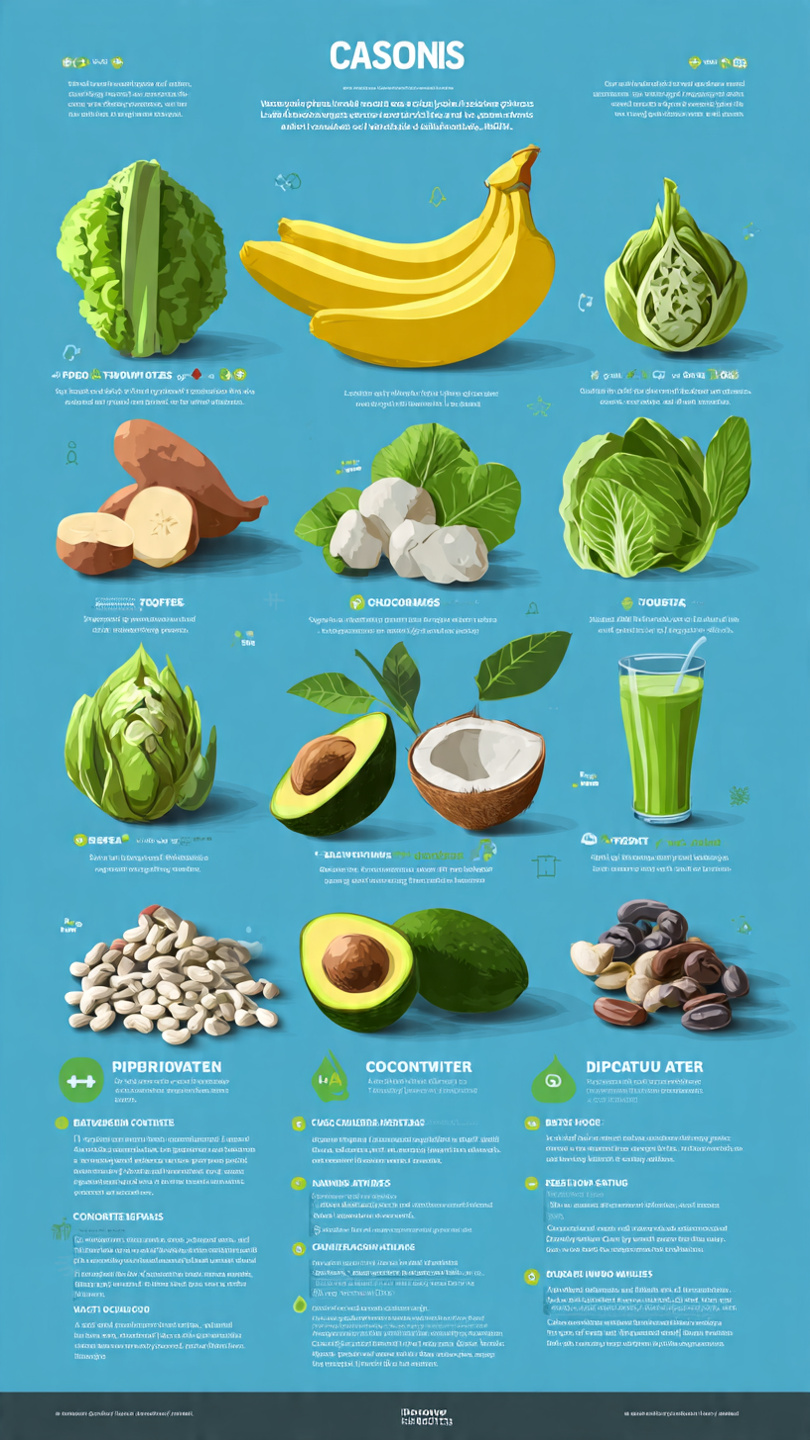
Restoring potassium doesn’t require expensive supplements or fads. By adding a few everyday foods to your menu, you can meet recommended intake levels & reverse mild to moderate deficiency naturally. This section highlights top sources of potassium complete with serving sizes & approximate values to make meal planning effortless. Each item is easy to find, affordable & versatile enough for snacks, sides or main dishes. With these simple swaps, you’ll address Potassium Deficiency Symptoms, Causes & Easy Food Fixes You Need to Know through delicious, nutrient-dense choices.
| Food Item | Potassium (mg per serving) |
|---|---|
| Banana (1 medium) | 422 mg |
| Sweet potato (1 cup) | 448 mg |
| Spinach (1 cup cooked) | 839 mg |
| Avocado (1 whole) | 975 mg |
| White beans (½ cup) | 502 mg |
Practical Steps to Boost Potassium Intake
Adding potassium-rich foods is just the beginning. To truly balance levels, portion control & timing matter. Pair high-potassium snacks with protein or healthy fats to optimize absorption & minimize blood sugar spikes. Drink plenty of water, but avoid excessive diuretic beverages like coffee or alcohol without compensating with potassium sources. This section outlines simple lifestyle tweaks & meal-planning ideas that help you consistently hit daily targets without overloading on calories or sodium.
- Morning smoothie with banana & spinach
- Switch fries for baked sweet potato wedges
- Snack on avocado toast or bean dip
- Include leafy greens in soups & stews
- Track servings to meet 3,500–4,700 mg/day
I once ignored persistent leg cramps until I discovered that shifting my breakfast to include a green smoothie armed with spinach & banana resolved my discomfort within days. This personal change taught me how powerful small, consistent dietary swaps can be when addressing low potassium.
“Balancing electrolytes through simple food choices transformed my energy & well-being in less than a week.” – Priscilla Kertzmann
Maintaining Balanced Potassium Levels
Long-term success depends on building habits rather than quick fixes. Rotate through a variety of potassium-rich foods to avoid taste fatigue & ensure diverse nutrient intake. Consider periodic blood tests if you use medications or have chronic illnesses that affect electrolyte balance. Staying hydrated, managing stress & adjusting meals during travel or high-intensity training are also key. This section provides a comprehensive checklist to help you maintain healthy potassium levels without obsessing over every milligram.
| Practice | Frequency |
|---|---|
| Varied produce rotation | Weekly |
| Hydration check | Daily |
| Periodic blood tests | Bi-annually |
| Meal planning session | Monthly |
FAQs
What daily intake of potassium is recommended?
Adults typically need between 3,500 & 4,700 mg of potassium per day, depending on age, sex & activity level. Consulting a healthcare professional can help adjust for individual needs.
Can I get too much potassium from food?
Excessive potassium from natural foods is rare in individuals with normal kidney function. The body naturally excretes surplus potassium through urine, so focus on balanced meals rather than strict limits.
Should I take supplements for low potassium?
Supplements may be recommended for severe deficiency under medical supervision. For most people, dietary improvements alone effectively restore healthy levels without added pills.
Conclusion
Carefully addressing Potassium Deficiency Symptoms, Causes & Easy Food Fixes You Need to Know can restore energy, support cardiovascular health & prevent serious complications. By recognizing early warning signs, understanding root causes & implementing simple dietary changes, you’ll create lasting habits that maintain healthy potassium levels. Use the tables & checklists provided to plan weekly menus, track progress & consult healthcare providers as needed. With these actionable insights, you can confidently tackle low potassium & enjoy the benefits of balanced electrolytes every day.


Health & Wellness Writer | Research-Informed Health Content Creator
A.K.M. Monjurul Hoque is a health and wellness writer specializing in health, beauty, fitness, nutrition and healthy living. His content is informed by health journals, books, seminars, training programs, and discussions with experienced healthcare professionals. He writes clear, practical and research-informed articles for general education and encourages readers to seek personalized advice from qualified medical professionals.