





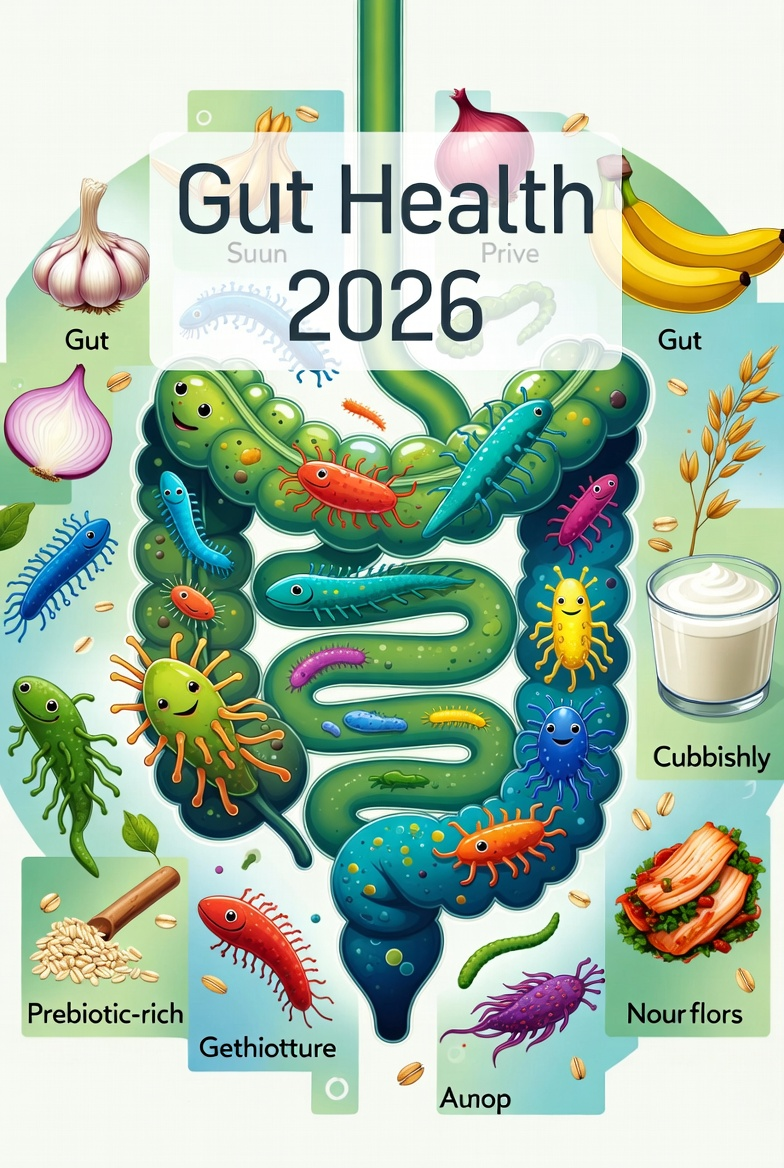
Ultimate Guide to Gut Health in 2026: Why It Matters and How to Improve It Naturally

Gut health has become one of the most discussed topics in wellness for good reason. Your gut is far more than a digestion machine — it’s home to trillions of microorganisms (the gut microbiome) that influence everything from immunity and energy levels to mood, skin health, and even weight management. In 2026, with growing awareness of the gut-brain axis and personalized nutrition, optimizing your microbiome is a foundational step toward feeling your best.
This comprehensive, SEO-optimized guide covers what gut health really means, signs of imbalance, the best foods and habits to support it, and practical tips you can start today.
What Is Gut Health and Why Does It Matter?
Gut health refers to the optimal functioning of your gastrointestinal tract and the balance of the trillions of bacteria, viruses, fungi, and other microbes living there—collectively known as the gut microbiome.
These microbes help:
- Break down food and absorb nutrients
- Produce essential vitamins (like B vitamins and vitamin K)
- Train and regulate your immune system (about 70% of immunity lives in the gut)
- Influence brain function via the gut-brain axis, producing neurotransmitters like serotonin (over 90% of the body’s serotonin is made in the gut)
- Reduce inflammation and support metabolic health
When your gut microbiome is diverse and balanced, you tend to have better digestion, stronger immunity, stable mood, and sustained energy. Imbalances (dysbiosis) are linked to issues like IBS, inflammation, fatigue, and even chronic conditions such as type 2 diabetes or autoimmune concerns.
Key insight: Modern lifestyles — processed foods, stress, antibiotics, and low fiber intake — often disrupt this delicate ecosystem. The good news? Simple, consistent changes can make a big difference.
Signs of Poor Gut Health
Many people live with suboptimal gut function without realizing it. Common symptoms include:
- Persistent bloating, gas, or abdominal discomfort
- Irregular bowel movements (constipation, diarrhea, or alternating)
- Heartburn, indigestion, or reflux
- Food sensitivities or intolerances that seem to worsen
- Unexplained fatigue or low energy
- Brain fog, difficulty concentrating, or mood changes (anxiety, irritability)
- Skin issues like acne, eczema, or rosacea
- Frequent colds or slow recovery from illness
- Sugar or carb cravings
- Joint pain or headaches
“Leaky gut” (increased intestinal permeability) is a related concept where the gut lining becomes more porous, potentially allowing particles to trigger inflammation. While not a formal medical diagnosis in all contexts, symptoms often overlap with the list above.
If these sound familiar, it’s worth evaluating your diet and lifestyle.

Best Foods for Gut Health: Probiotics + Prebiotics
The most effective way to support your gut is through diet. Focus on two key categories:
1. Probiotic Foods (live beneficial bacteria):
- Yogurt (plain, with live cultures)
- Kefir
- Sauerkraut and kimchi (unpasteurized)
- Kombucha
- Miso and tempeh
- Other fermented foods like pickles (in brine, not vinegar)
2. Prebiotic Foods (fiber that feeds good bacteria):
- Garlic, onions, leeks
- Asparagus, dandelion greens, Jerusalem artichokes
- Bananas, apples, berries
- Oats, barley, whole grains
- Beans, legumes, flaxseeds
- Chicory root and seaweed
Aim for 30+ different plant foods per week for microbiome diversity. A colorful plate with plenty of vegetables, fruits, whole grains, nuts, and seeds is ideal.
Pro tip: Combine both—for example, overnight oats with banana and yogurt or a kimchi stir-fry with garlic and onions.
Practical Ways to Improve Gut Health in 2026
Here are evidence-backed, realistic habits:
- Increase fiber gradually — Most people fall short. Add 5g more per day from whole foods to avoid discomfort. Fiber nourishes beneficial bacteria and promotes regular bowel movements.
- Stay hydrated — Water helps move fiber through your system and supports mucus production that protects the gut lining.
- Incorporate fermented foods daily — Start small (a spoonful of sauerkraut or a glass of kefir) to introduce beneficial microbes.
- Move your body regularly—Exercise (even walking) supports gut motility and microbial diversity. Aim for 150 minutes of moderate activity weekly.
- Manage stress — Chronic stress harms the microbiome. Practices like meditation, deep breathing, yoga, or time in nature help via the gut-brain axis.
- Prioritize sleep—poor sleep disrupts gut bacteria. Aim for 7–9 hours consistently.
- Limit processed foods, added sugars, and excessive alcohol—These promote harmful bacteria and inflammation.
- Consider diversity — Eat a wide variety of plants rather than relying on the same few foods.
Supplements (probiotics, prebiotics, or postbiotics) can help in specific cases, but food-first is generally more effective and sustainable. Consult a healthcare professional for personalized advice, especially if you have underlying conditions.

Conclusion
Your gut is the foundation of overall health. By nourishing your microbiome with diverse, fiber-rich, and fermented foods while adopting supportive habits like movement, stress management, and hydration, you can experience better digestion, steadier energy, improved mood, and stronger immunity.
Start small — pick one or two changes this week, such as adding a serving of fermented food and one extra vegetable daily. Consistency beats perfection. In 2026 and beyond, a thriving gut can help you feel more vibrant and resilient.
Listen to your body, be patient with changes, and consult a doctor or registered dietitian if symptoms persist. Your gut (and the rest of you) will thank you.
FAQs About Gut Health
1. What is the fastest way to improve gut health? Focus on adding more fiber-rich plants and fermented foods while reducing ultra-processed items. Hydration and daily movement help accelerate benefits. Results vary, but many notice improvements in digestion within 1–4 weeks.
2. Are probiotics necessary, or is food enough? Food sources (yogurt, kefir, kimchi, etc.) are excellent and often sufficient for most people. Probiotic supplements can be useful for specific issues (like after antibiotics), but choose strains backed by research and consult a professional.
3. Can stress really affect my gut? Yes — through the bidirectional gut-brain axis. Stress can alter microbial balance and gut motility, while a healthy gut supports better mood regulation.
4. What foods should I avoid for better gut health? Limit excessive sugar, artificial sweeteners, fried/processed foods, and (for some) alcohol. Everyone’s tolerance differs—track how your body responds to common triggers like dairy, gluten, or high-FODMAP foods.
5. How long does it take to heal gut issues? It depends on the individual and severity. Mild imbalances may improve in weeks with diet and lifestyle changes; more chronic issues can take months. Patience and consistency are key.
6. Is “leaky gut” a real medical condition? Increased intestinal permeability exists, but “leaky gut syndrome” as a standalone diagnosis is debated. Symptoms often overlap with other digestive disorders—professional evaluation is recommended.
7. Can improving gut health help with weight or skin issues? Many people report benefits in both areas indirectly through reduced inflammation, better nutrient absorption, and stabilized blood sugar and hormones.
Ready to transform your gut health? Start with one small, sustainable change today — your microbiome (and whole body) will appreciate it.
This article is for informational purposes only and not a substitute for professional medical advice.

Health & Wellness Writer | Research-Informed Health Content Creator
A.K.M. Monjurul Hoque is a health and wellness writer specializing in health, beauty, fitness, nutrition and healthy living. His content is informed by health journals, books, seminars, training programs, and discussions with experienced healthcare professionals. He writes clear, practical and research-informed articles for general education and encourages readers to seek personalized advice from qualified medical professionals.