



Spice and Medicine Collide: When Your Favorite Flavors Meet Your Prescription
Disclaimer
“I’m not a medical professional—treat this as informed analysis, not a medical diagnosis; a qualified clinician should confirm anything consequential.”

Introduction: The Hidden Risks in Your Spice Rack
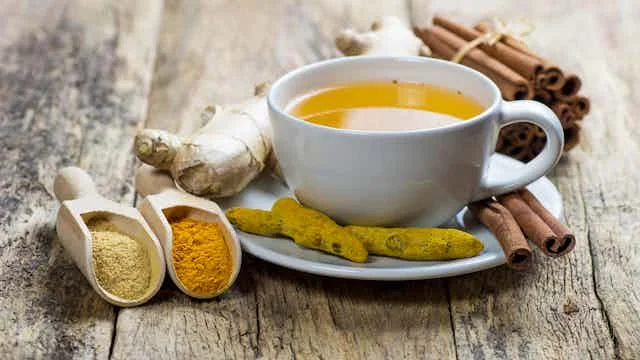
A dash of cinnamon in your morning latte, a pinch of vibrant turmeric in your curry, or a slice of fresh ginger in your tea—these everyday staples are more than just flavor enhancers. For millennia, they have been the cornerstone of Ayurveda and Traditional Chinese Medicine, celebrated for their potent healing properties. However, modern pharmacology is revealing a startling truth: the very compounds that make these spices healthy can also disrupt how your body processes prescription medications [1] [2].
While culinary amounts are generally safe, the rise of concentrated supplements has created a new frontier of herb-drug interactions. Understanding how these spices interact with your medicine is crucial for maintaining the efficacy of your treatment and protecting your long-term health.
1. Cinnamon: The Metabolic Disruptor
Cinnamon is prized for its ability to help regulate blood sugar and reduce inflammation, largely due to compounds like cinnamaldehyde. However, recent research from the University of Mississippi (April 2025) has identified a hidden downside: cinnamaldehyde can activate specific receptors in the body that accelerate the breakdown of certain medications, potentially rendering them ineffective [1] [3].
Cassia vs. Ceylon: A Critical Distinction
Not all cinnamon carries the same risk. Most grocery store cinnamon is the Cassia variety, which contains high levels of coumarin. In large doses, coumarin can place significant strain on the liver and dangerously enhance the effects of blood thinners like Warfarin [1].
- Ceylon Cinnamon: Often called “true cinnamon,” it contains significantly less coumarin and is generally considered safer for regular consumption.
- Interaction Risk: Cinnamon supplements may interfere with drugs such as Nicotine patches or the breast cancer medication Letrozole [3].
2. Turmeric: The Liver Enzyme Interference
Turmeric’s active compound, curcumin, is a wellness darling known for fighting joint pain and improving brain health. Yet, its potent biological activity means it can interfere with the liver enzymes (specifically CYP enzymes) responsible for metabolizing a wide range of drugs [2] [4].
The Supplement Trap
While a sprinkle of turmeric in your cooking is unlikely to cause harm, “mega-doses” in supplement form—often combined with black pepper (piperine) to increase absorption—have been linked to clinically significant liver injury [5] [6].
- Medication Conflict: High doses of curcumin can alter the behavior of antidepressants, blood pressure medications, and chemotherapy drugs.
- Blood Thinning: Turmeric naturally possesses anticoagulant properties, which can compound the effects of prescribed blood thinners, increasing the risk of internal bleeding.
3. Ginger: The Anticoagulant Accelerator
Ginger is the gold standard for easing nausea and digestive discomfort. Its primary active ingredient, gingerol, is a powerful anti-inflammatory, but it also possesses mild blood-thinning effects [7].
Managing the Mix
Like its cousins cinnamon and turmeric, ginger can interact with anticoagulants (e.g., Aspirin, Warfarin, Clopidogrel), potentially leading to excessive bruising or bleeding [8].
- Diabetes Alert: Some studies suggest ginger may lower blood sugar levels. For those on diabetes medication, this could lead to hypoglycemia (dangerously low blood sugar) if not monitored closely [7].
Summary of Key Spice-Drug Interactions
| Spice | Key Compound | Potential Interaction | High-Risk Medications |
|---|---|---|---|
| Cinnamon | Cinnamaldehyde / Coumarin | Accelerated drug metabolism / Liver strain | Blood thinners, Nicotine, Letrozole |
| Turmeric | Curcumin | Liver enzyme inhibition / Blood thinning | Antidepressants, BP meds, Chemo, Anticoagulants |
| Ginger | Gingerol | Enhanced blood thinning/blood sugar reduction | Warfarin, Aspirin, Diabetes medications |
Conclusion: Spice Smart for Better Health
The collision of spice and medicine serves as a reminder that “natural” does not always mean “harmless.” You can continue to enjoy your ginger tea and turmeric lattes with peace of mind, provided you avoid the trap of high-dose supplementation without professional oversight. By staying informed and consulting with your healthcare provider, you can ensure that your favorite flavors enhance your life without compromising your medicine.
Frequently Asked Questions (FAQ)
Q: Is it safe to cook with these spices if I’m on medication?
A: Yes. The amount of spice used in standard cooking is generally considered safe. The primary risk comes from concentrated supplements and extracts.
Q: How do I know if I have Cassia or Ceylon cinnamon?
A: Cassia is usually darker, harder, and cheaper. Ceylon is lighter in color, has a thinner, multi-layered bark, and is often labeled as “True Cinnamon.”
Q: Should I stop taking my turmeric supplement before surgery?
A: Yes. Because turmeric and ginger have blood-thinning effects, most surgeons recommend stopping these supplements at least two weeks before any scheduled procedure.
Q: Can these spices cause liver damage?
A: In rare cases, high-dose turmeric supplements have been linked to drug-induced liver injury. Always follow the recommended dosage and consult a doctor.
References
1.Ole Miss – Cinnamon Could Affect Drug Metabolism in the Body
2.ScienceDaily – Cinnamon and Prescription Medication Interactions
3.PMC – Mechanisms of Herb-Drug Interactions Involving Cinnamon and CYP2A6
4.NCBI LiverTox – Turmeric and Liver Health
5.American Journal of Medicine – Liver Injury Associated with Turmeric
6.Cureus – Drug-Induced Liver Injury Secondary to Turmeric Supplement
7.Drugs.com – Ginger Interactions with Medications
8.PMC – Combining Herbal Products with Direct-Acting Oral Anticoagulants

Health & Wellness Writer | Research-Informed Health Content Creator
A.K.M. Monjurul Hoque is a health and wellness writer specializing in health, beauty, fitness, nutrition and healthy living. His content is informed by health journals, books, seminars, training programs, and discussions with experienced healthcare professionals. He writes clear, practical and research-informed articles for general education and encourages readers to seek personalized advice from qualified medical professionals.