



Supplements for Immunity: What Actually Works — and What Doesn’t
Health & Wellness
Why Do We Need Immune Support Supplements?
The modern world is not kind to immune health. Chronic stress, poor sleep, ultra-processed diets, limited sunlight exposure, and sedentary habits all chip away at our body’s frontline defenders. In Bangladesh and much of South Asia, nutrient gaps — especially Vitamin D, Zinc, and Iron — remain widespread due to dietary patterns and sun exposure dynamics, quietly undermining immunity without obvious symptoms.
Supplements aren’t magic bullets, but they are targeted interventions. Think of them as patching specific holes in a fence rather than rebuilding the entire structure. The key is knowing which holes you actually have — and which products offer real repair.
The Core Supplements With Strong Evidence
| Vitamin C Typical dose: 500–1,000 mg/day Potent antioxidant that supports white blood cell function and reduces duration of the common cold. | Vitamin D3 Typical dose: 1,000–4,000 IU/day Modulates innate and adaptive immunity. Deficiency is directly linked to increased susceptibility to infection. | Zinc Typical dose: 8–40 mg/day Essential for T-cell development and function. Even mild zinc deficiency impairs immune response. |
| Elderberry (Sambucus) Typical dose: 300–600 mg extract Shown to reduce flu duration and severity. Rich in flavonoids that have antiviral and anti-inflammatory properties. | Echinacea Typical dose: 300–500 mg 3x/day May reduce cold incidence and duration; works best as a short-term intervention at first sign of illness. | Omega-3 Fatty Acids Typical dose: 1–3 g EPA+DHA/day Reduces systemic inflammation, allows immune cells to respond more efficiently and without overreaction. |
Vitamin C: The Timeless Classic
Humans are one of the few mammals that cannot synthesize Vitamin C internally — we must obtain it entirely from diet or supplementation. As an antioxidant, it protects immune cells from oxidative damage during active infections, when free radical production spikes dramatically.
Clinical research shows Vitamin C reduces the duration of common colds by roughly 8% in adults and up to 14% in children when taken daily as a preventive measure. For people under extreme physical stress — marathon runners, soldiers in cold climates — the benefits are even more pronounced, with cold incidence cut nearly in half. The key: consistency. Megadosing only when sick is far less effective than low-dose daily supplementation.
Forms matter
Ascorbic acid is the most studied form. Liposomal Vitamin C offers superior bioavailability for therapeutic dosing. Avoid cheap synthetic chewables with excessive sugar, which can counteract immune benefits by promoting inflammation.
Vitamin D3: The Immune Hormone You’re Probably Deficient In
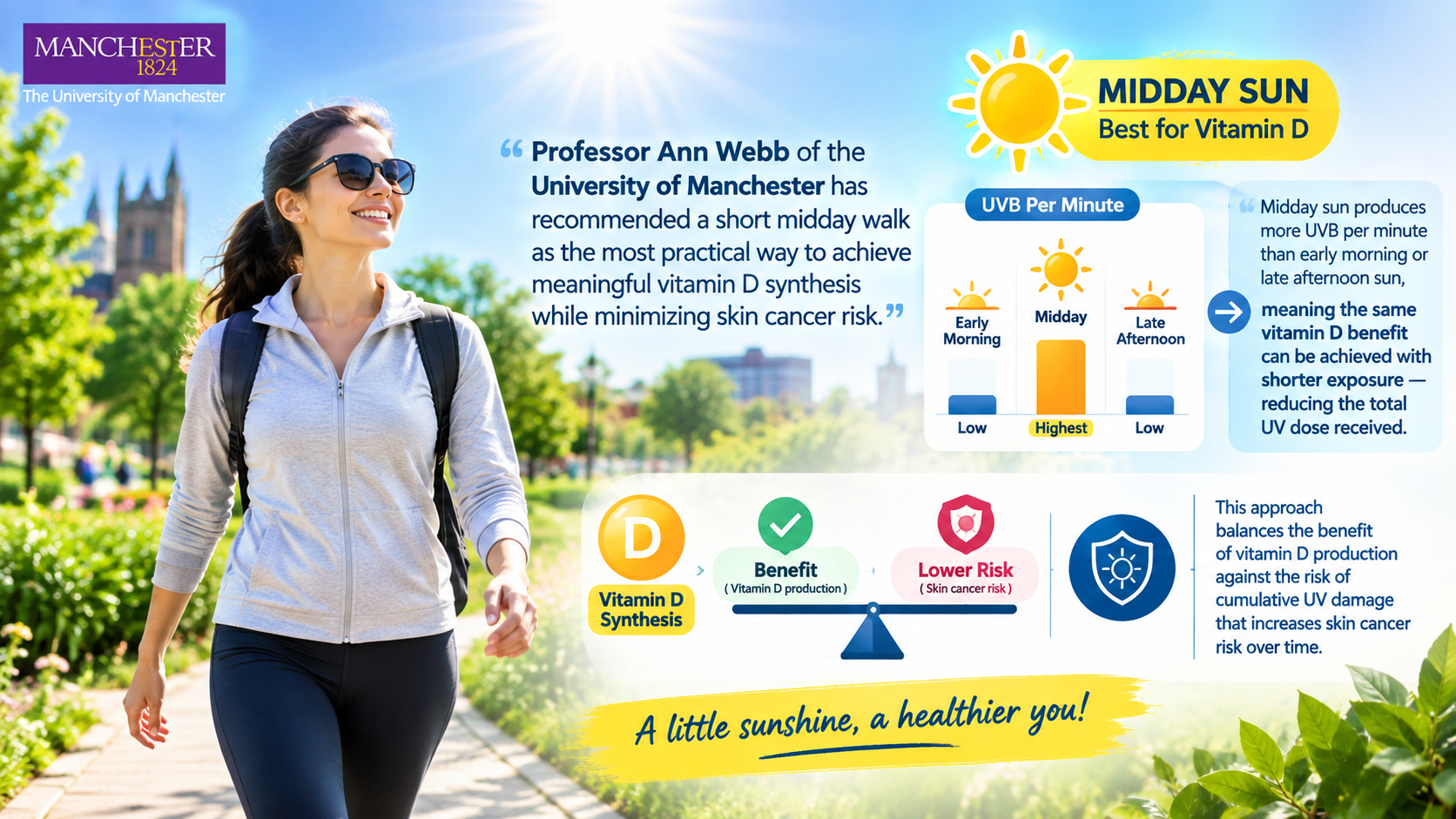
Vitamin D behaves less like a vitamin and more like a steroid hormone in the body. Every single immune cell — T cells, B cells, macrophages — has Vitamin D receptors. When D levels are low, these cells literally cannot function at full capacity.
Global surveys suggest 40–80% of people are Vitamin D insufficient, with rates even higher in heavily urbanized or indoor-oriented populations. The consequences aren’t just bone-related: low Vitamin D is associated with increased respiratory infections, autoimmune conditions, and longer illness duration.
Always pair D3 with K2 (Menaquinone-7 form, 90–200 mcg/day) to ensure calcium is directed to bones rather than soft tissues. Take with a meal containing fat for proper absorption.
Zinc: The Gatekeeper Mineral
Zinc is involved in over 300 enzymatic reactions in the human body, and immune function is deeply zinc-dependent. It regulates the maturation of T-lymphocytes, maintains the integrity of the mucosal barrier (your first line of physical defense), and has direct antiviral properties — interfering with viral replication at the cellular level.
Studies using zinc acetate lozenges at the onset of a cold show a reduction in cold duration by up to 33%. The mechanism involves zinc ions in direct contact with the pharyngeal mucosa, which is why lozenges outperform capsules for acute cold treatment specifically.
Elderberry: Nature’s Antiviral
Black Elderberry (Sambucus nigra) extracts have accumulated a respectable body of clinical evidence. A 2016 randomized placebo-controlled trial in air travelers found that those taking elderberry supplementation experienced colds of significantly shorter duration and lesser severity compared to placebo.
The active compounds — anthocyanins and flavonols — appear to inhibit viral surface proteins required for cell entry, effectively blunting viral attachment. They also stimulate cytokine production, priming the immune response for faster mobilization.
Probiotics: Gut Immunity Is Real Immunity
An estimated 70–80% of the body’s immune tissue is located in the gastrointestinal tract, specifically in gut-associated lymphoid tissue (GALT). The composition of your gut microbiome directly shapes how your immune system is calibrated — overreactive, underreactive, or appropriately balanced.
- Lactobacillus rhamnosus GG (LGG) — most studied for respiratory infection prevention, particularly in children.
- Bifidobacterium longum — reduces frequency of upper respiratory tract infections in adults.
- Lactobacillus acidophilus — supports mucosal immunity and reduces antibiotic-associated immune disruption.
Prebiotic fiber (inulin, FOS) feeds these beneficial bacteria. A probiotic without dietary fiber support is like planting seeds in concrete.
Selenium, Glutathione, and N-Acetyl Cysteine (NAC)
These three compounds form a powerful antioxidant triad. Selenium is a cofactor for glutathione peroxidase — the enzyme that neutralizes hydrogen peroxide before it damages immune cells. Glutathione itself is the body’s master antioxidant, and its precursor NAC is far more bioavailable than direct glutathione supplementation.
During illness, oxidative stress spikes, depleting glutathione rapidly. Supplementing NAC (600 mg twice daily) during and around illness periods helps maintain immune cell integrity. Brazil nuts are an exceptional dietary source of selenium — just 2–3 nuts per day can meet the full recommended intake.
Supplements With Limited or Overstated Evidence
The supplement industry is unfortunately littered with products that are heavily marketed but thinly evidenced. It’s worth naming them honestly:
- Colloidal silver— No credible evidence for immune support; potentially toxic with long-term use.
- High-dose Vitamin C mega-protocols (10g+/day)— May benefit specific populations but causes GI distress and kidney stones in others with no clear additional benefit over 1–2g.
- Astragalus— Some promising in-vitro data, but clinical human trials are limited and small in scale.
- Andrographis— Mildly interesting evidence for cold duration; consult a doctor before use due to possible herb-drug interactions.
Lifestyle Factors: The Supplements Your Body Makes Itself
No supplement will compensate for chronically poor sleep, since natural killer cell activity drops by over 70% after a single night of less than 4 hours of sleep. Regular moderate exercise increases circulating lymphocytes. Chronic stress raises cortisol, which directly suppresses immune activity. These aren’t platitudes — they’re measurable, documented immune mechanisms.
Supplements are most powerful in a body that is already well-rested, adequately hydrated, and nourished by diverse whole foods. Think of them as amplifiers, not substitutes.
Conclusion

Immune health isn't built in a day, and no supplement capsule holds the entirety of the answer. But the evidence is clear: targeted supplementation with Vitamin D3, Zinc, Vitamin C, Elderberry, quality probiotics, and NAC can meaningfully support immune resilience — especially when combined with consistent sleep, movement, and a nutrient-dense diet.

Start with the fundamentals. Get your Vitamin D level tested. Ensure you're not zinc-deficient. Feed your gut microbiome. Then layer in additional support where needed based on your personal health picture, ideally with guidance from a knowledgeable clinician. The goal isn't to outsmart your immune system — it's to give it everything it needs to do its extraordinary job.
Frequently Asked Questions
1.Can I take Vitamin C, D, and Zinc together?
Yes — these three are complementary and do not negatively interact. In fact, they cover different aspects of immune function and work well as a daily “immune stack.” Take Vitamin D3 and Zinc with food for best absorption; Vitamin C can be taken any time.
2.How long does it take for immune supplements to work?
It depends on the supplement. Zinc lozenges can show effects within 24–48 hours when used at the onset of a cold. Vitamin D level correction takes 8–12 weeks of consistent supplementation. Probiotic effects on gut microbiome composition appear within 4–6 weeks of regular use.
3.Are immune supplements safe for children?
Many are — at appropriate, age-adjusted doses. Probiotics and Vitamin D are well-studied in pediatric populations. Echinacea and elderberry are generally considered safe for children over 2 years. Always consult a pediatrician before introducing any supplement for a child.
4.Should I take immune supplements year-round or only during cold season?
Foundation supplements like Vitamin D3, Zinc, and probiotics benefit most people year-round due to widespread deficiency and gut microbiome maintenance needs. Acute-use supplements like Elderberry and Echinacea are best reserved for short-term use at illness onset or during high-exposure periods.
5.Can supplements replace a healthy diet?
No — and they were never designed to. Whole foods contain thousands of bioactive compounds, fiber, and phytonutrients that no supplement formula has successfully replicated. Supplements address specific gaps. A diverse, colorful, minimally processed diet remains the most powerful immune-nutrition strategy available.
6.What is the single most important supplement for immunity?
For most people, Vitamin D3 has the strongest case — because deficiency is so widespread and its impact on immune function is so well-documented. If you test only one nutrient level and supplement only one thing, let it be Vitamin D3, ideally paired with K2 for safety and efficacy.

Health & Wellness Writer | Research-Informed Health Content Creator
A.K.M. Monjurul Hoque is a health and wellness writer specializing in health, beauty, fitness, nutrition and healthy living. His content is informed by health journals, books, seminars, training programs, and discussions with experienced healthcare professionals. He writes clear, practical and research-informed articles for general education and encourages readers to seek personalized advice from qualified medical professionals.