





The Hidden Power of Prebiotic Fiber: Transform Your Gut Health from the Inside Out
Have you ever wondered why some people seem to have boundless energy, clear skin, and an iron-clad immune system while others struggle with digestive issues and fatigue? The answer might be hiding in plain sight—or rather, in the fiber content of their meals. While most of us know that fiber is important, there’s a special type called prebiotic fiber that acts like fertilizer for your gut, and it could be the game-changer you’ve been looking for.
What Exactly Is Prebiotic Fiber?
Think of your gut as a bustling city filled with trillions of tiny residents—bacteria, both good and bad. Prebiotic fiber is essentially the food that feeds the good bacteria, helping them thrive and multiply. Unlike regular fiber that simply adds bulk to your stool, prebiotic fiber is selectively fermented by beneficial gut microorganisms, creating a ripple effect of health benefits throughout your entire body.
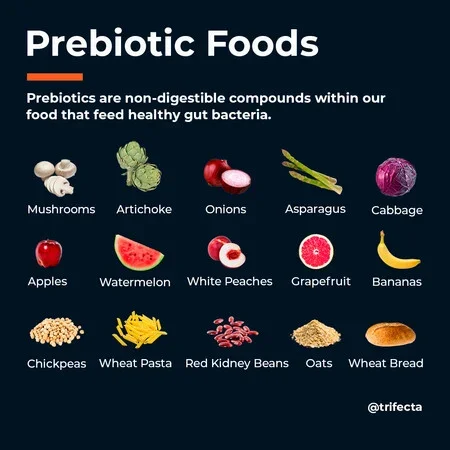
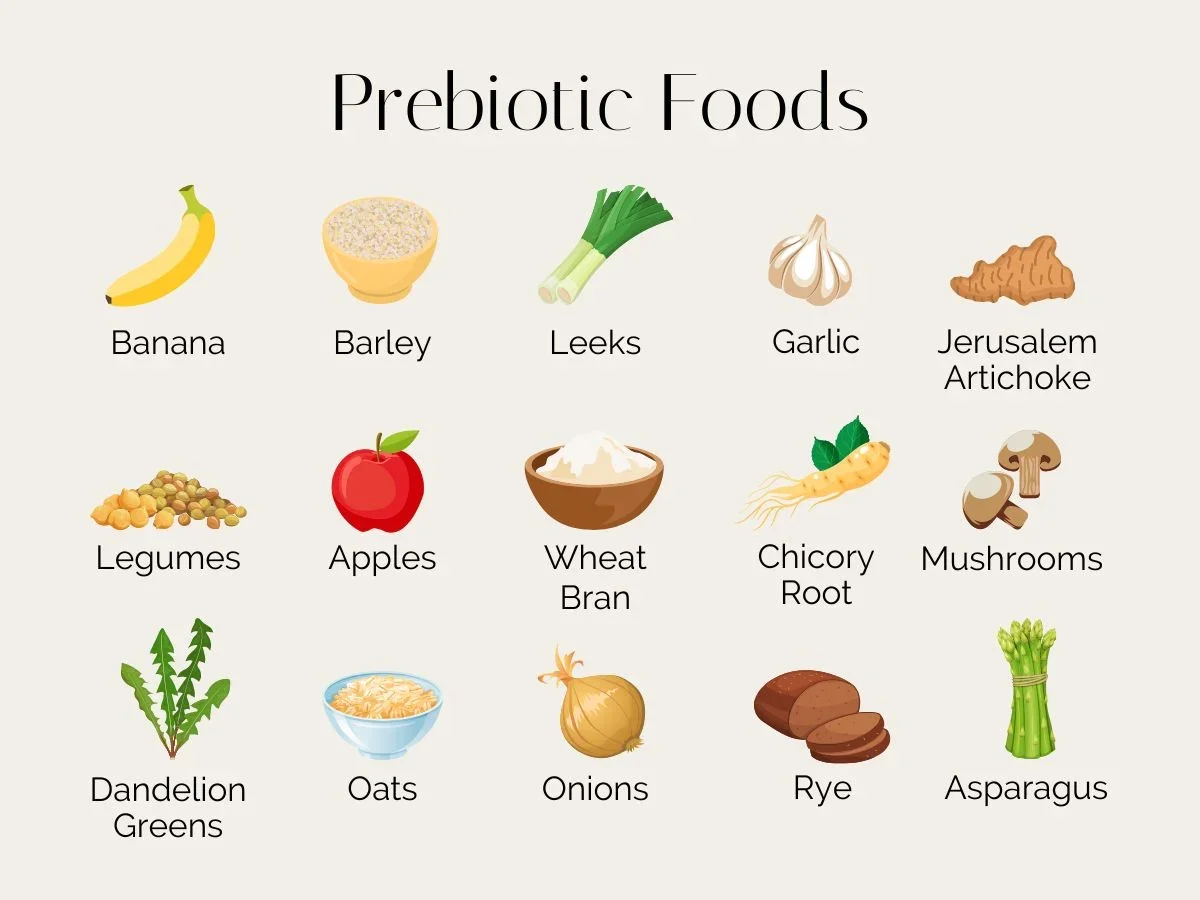
Found naturally in foods like onions, garlic, bananas, oats, and asparagus, these special fibers survive the journey through your stomach and small intestine intact, arriving in your colon ready to nourish your microbial allies. It’s like having an internal garden that you can cultivate with every meal.
The Science-Backed Benefits That’ll Make You Rethink Your Diet

1. Supercharge Your Digestive Health
Let’s start with the obvious one. When beneficial bacteria feast on prebiotic fiber, they produce short-chain fatty acids (SCFAs) like butyrate, which your colon cells absolutely love. These compounds reduce inflammation, strengthen your intestinal barrier, and keep everything moving smoothly through your system.
People who consume adequate prebiotic fiber often report fewer episodes of constipation, reduced bloating, and a general feeling of digestive comfort. It’s not magic—it’s just biology working as intended.
2. Fortify Your Immune System
Here’s something fascinating: about 70% of your immune system lives in your gut. When you feed your beneficial bacteria with prebiotic fiber, you’re essentially training and strengthening your body’s defense forces. These good bacteria help regulate immune responses, reducing the likelihood of autoimmune reactions and allergic responses.
Studies have shown that individuals with diverse, well-fed gut microbiomes tend to have stronger immune responses to infections and recover more quickly from illnesses. Your morning bowl of oatmeal might be doing more for your immune system than you realize.
3. Support Healthy Weight Management
If you’ve been battling the scale, prebiotic fiber might become your new best friend. These fibers increase feelings of fullness, slow down digestion, and help regulate hormones that control hunger and satiety. Plus, when your gut bacteria ferment prebiotic fiber, they produce compounds that can influence how your body stores fat and burns calories.
Research indicates that people with diverse gut microbiomes—cultivated by regular prebiotic fiber intake—tend to have better metabolic health and find it easier to maintain a healthy weight. It’s not a quick fix, but it’s a sustainable approach that works with your body rather than against it.
4. Enhance Nutrient Absorption
You could be eating the most nutritious foods on the planet, but if your gut can’t absorb those nutrients properly, you’re not getting the full benefit. Prebiotic fiber enhances your gut’s ability to absorb essential minerals like calcium, magnesium, and iron.
The SCFAs produced during prebiotic fermentation actually increase the surface area of your intestinal walls and improve the efficiency of nutrient transporters. It’s like upgrading your digestive system’s infrastructure.
5. Improve Mental Health and Mood
This one might surprise you, but the gut-brain connection is very real. Your gut bacteria produce neurotransmitters like serotonin and GABA, which directly influence your mood, anxiety levels, and cognitive function. When you feed your gut bacteria properly with prebiotic fiber, you’re supporting the production of these mood-regulating compounds.
Some researchers even call the gut the “second brain,” and for good reason. Many people report improved mental clarity, reduced anxiety, and better mood stability when they prioritize gut health through prebiotic-rich foods.
6. Regulate Blood Sugar Levels
For anyone concerned about diabetes or metabolic syndrome, prebiotic fiber offers genuine hope. These fibers slow down the absorption of sugars into your bloodstream, preventing the dramatic spikes and crashes that leave you feeling exhausted and craving more sugar.
The beneficial bacteria that thrive on prebiotic fiber also produce compounds that improve insulin sensitivity, making your cells more responsive to this crucial hormone. Over time, this can translate to better blood sugar control and reduced risk of type 2 diabetes.
7. Lower Cholesterol Naturally
Your gut bacteria can actually help remove cholesterol from your body. When well-fed with prebiotic fiber, certain beneficial bacteria can bind to cholesterol in your intestines and help escort it out before it gets absorbed into your bloodstream.
Multiple studies have demonstrated that regular prebiotic fiber consumption can lead to modest but meaningful reductions in LDL (the “bad”) cholesterol levels. It’s a natural approach that complements other heart-healthy habits.
8. Reduce Inflammation Throughout Your Body
Chronic low-grade inflammation is at the root of many modern diseases, from arthritis to heart disease to Alzheimer’s. The good news? The SCFAs produced from prebiotic fiber fermentation have powerful anti-inflammatory properties.
These compounds signal to your immune system to dial down unnecessary inflammatory responses while maintaining the ability to fight genuine threats. It’s like having a smarter, more balanced immune system.
Top Food Sources of Prebiotic Fiber
Getting prebiotic fiber doesn’t require expensive supplements or complicated meal plans. Focus on incorporating these foods into your regular rotation:
- Garlic and onions – Add them to almost anything savory
- Leeks and asparagus – Perfect for spring dishes
- Bananas (especially slightly green ones) – Great for breakfast
- Oats – Your morning oatmeal is working harder than you think
- Barley and wheat bran – Whole grain goodness
- Jerusalem artichokes – Also called sunchokes
- Chicory root – Often found in coffee alternatives
- Apples – The pectin is prebiotic gold
- Flaxseeds – Add to smoothies or yogurt
- Seaweed – More versatile than you might think
The key is variety. Different prebiotic fibers feed different bacterial species, so eating a diverse range of these foods helps cultivate a more robust microbiome.
How Much Do You Need?
While there’s no official recommended daily allowance specifically for prebiotic fiber, most experts suggest aiming for 5-10 grams daily. However, if you’re not used to eating much fiber, start slowly. Suddenly increasing your fiber intake can lead to temporary digestive discomfort as your gut adjusts.
Think of it like training for a marathon—you wouldn’t run 26 miles on your first day. Give your gut microbiome time to adapt and flourish.
A Word of Caution
While prebiotic fiber is generally safe and beneficial for most people, those with conditions like IBS or SIBO (Small Intestinal Bacterial Overgrowth) may need to approach these foods carefully. Some prebiotic-rich foods are high in FODMAPs, which can trigger symptoms in sensitive individuals.
If you have digestive issues, consider working with a healthcare provider or registered dietitian who can help you navigate the best approach for your specific situation.
Conclusion
Prebiotic fiber isn’t just another health trend—it’s a fundamental component of human nutrition that we’ve only recently begun to fully appreciate. By feeding the trillions of beneficial bacteria in your gut, you’re investing in your digestive health, immune function, mental well-being, and overall vitality.
The beauty of prebiotic fiber is its simplicity. You don’t need expensive supplements or complicated protocols. Just focus on eating a variety of whole, plant-based foods, and your gut will thank you with better digestion, stronger immunity, and improved overall health. Start small, be consistent, and pay attention to how your body responds. Your gut microbiome is unique to you, and nurturing it properly could be one of the most important health decisions you make.
Frequently Asked Questions (FAQs)
Q: What’s the difference between prebiotics and probiotics?
A: Probiotics are the actual beneficial bacteria (the live organisms), while prebiotics are the food that feeds those bacteria. Think of probiotics as the workers and prebiotics as their fuel. You need both for optimal gut health, but prebiotics help your existing gut bacteria thrive.
Q: Can I get enough prebiotic fiber from supplements, or should I focus on food?
A: While prebiotic supplements exist and can be helpful in certain situations, getting prebiotics from whole foods is generally preferable. Foods provide not only prebiotic fiber but also vitamins, minerals, antioxidants, and other beneficial compounds that work together synergistically. Plus, whole foods offer a variety of prebiotic fibers that feed different bacterial species.
Q: Why do I feel bloated when I increase my fiber intake?
A: Bloating is common when you suddenly increase fiber intake because your gut bacteria need time to adjust. The fermentation process produces gas as a byproduct, which can cause temporary discomfort. Start with small amounts, increase gradually over several weeks, drink plenty of water, and stay physically active to help your system adapt.
Q: Are prebiotic fibers destroyed by cooking?
A: Most prebiotic fibers are fairly heat-stable and survive normal cooking temperatures. However, extremely high heat or prolonged cooking might reduce their effectiveness somewhat. A mix of raw and cooked prebiotic-rich foods ensures you get maximum benefit.
Q: Can children benefit from prebiotic fiber too?
A: Absolutely! Establishing a healthy gut microbiome early in life can set the foundation for lifelong health. Children can safely consume prebiotic-rich foods as part of a balanced diet. Just introduce new foods gradually and in age-appropriate portions.
Q: How long does it take to see benefits from eating more prebiotic fiber?
A: Some people notice improvements in digestion within a few days to a week, but more significant changes—like immune function improvements or weight management benefits—typically take several weeks to months of consistent intake. Your gut microbiome is constantly evolving, so consistency is key.
Q: Can I eat too much prebiotic fiber?
A: Yes, excessive prebiotic fiber can cause digestive discomfort, gas, bloating, and diarrhea. Most experts recommend 5-10 grams of prebiotic fiber daily, but individual tolerance varies. Listen to your body and adjust accordingly. More isn’t always better when it comes to fiber.
Q: Will prebiotic fiber help with antibiotic-related digestive issues?
A: Prebiotic fiber can be helpful during and after antibiotic treatment, as it supports the regrowth of beneficial bacteria. However, during antibiotic use, also consider taking probiotics (spaced several hours apart from antibiotics) and continuing both prebiotics and probiotics for several weeks after finishing antibiotics to fully restore your microbiome.

Health & Wellness Writer | Research-Informed Health Content Creator
A.K.M. Monjurul Hoque is a health and wellness writer specializing in health, beauty, fitness, nutrition and healthy living. His content is informed by health journals, books, seminars, training programs, and discussions with experienced healthcare professionals. He writes clear, practical and research-informed articles for general education and encourages readers to seek personalized advice from qualified medical professionals.