





The Gut-Brain Connection: How Your Second Brain Controls Your Mental Health and Well-Being
Have you ever felt butterflies in your stomach before a big presentation? Or experienced a “gut feeling” about an important decision? These aren’t just figures of speech—they’re your gut-brain connection at work. This fascinating relationship between your digestive system and your mind is transforming how we understand mental health, mood, and overall wellness.
What Is the Gut-Brain Connection?
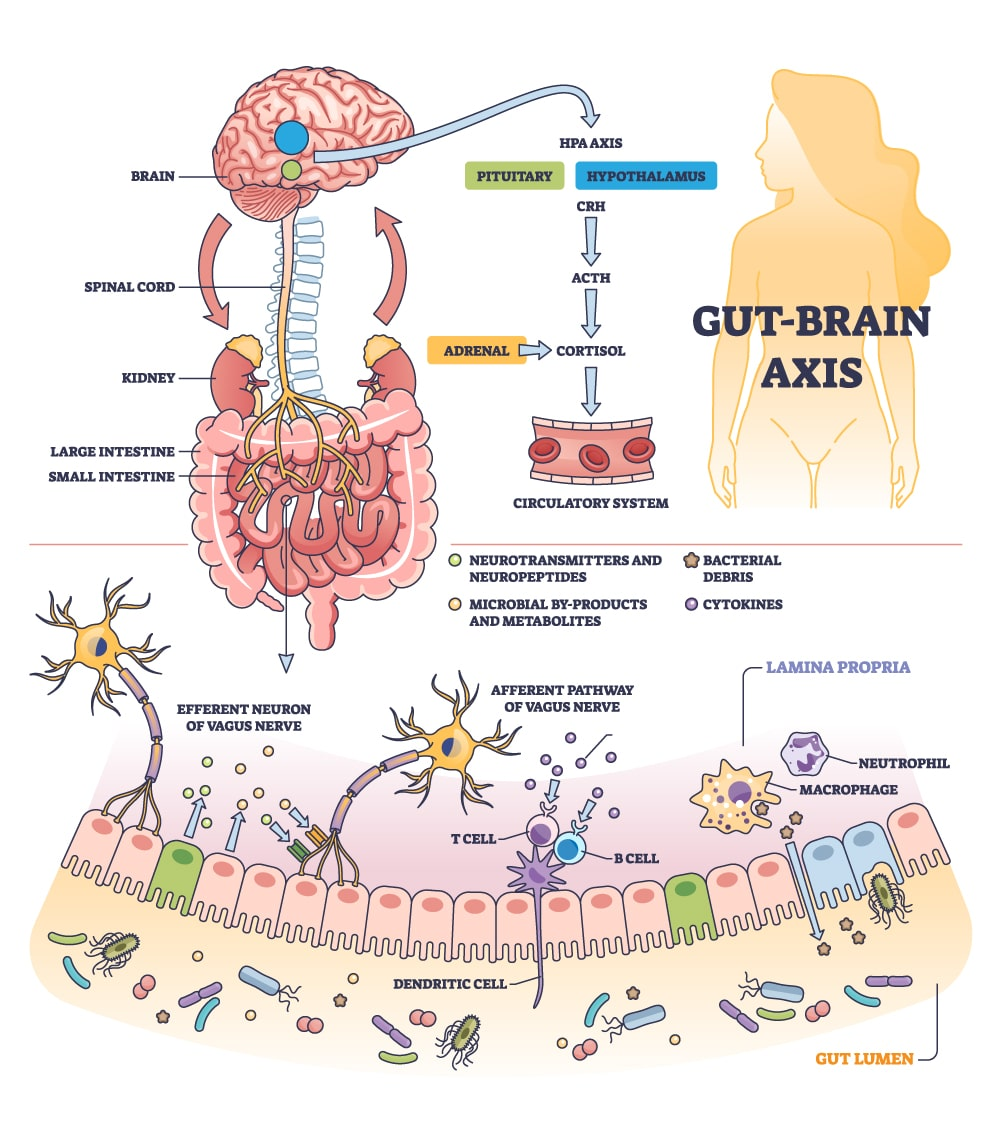
The gut-brain connection refers to the bidirectional communication network that links your gastrointestinal tract with your central nervous system. Think of it as a two-way highway where information constantly flows between your gut and your brain, influencing everything from your mood and emotions to your immune function and cognitive abilities.
Your gut contains approximately 100 million neurons—more than in your spinal cord—earning it the nickname “the second brain.” This enteric nervous system doesn’t just help digest food; it plays a crucial role in regulating your emotions, stress responses, and mental clarity.
The Science Behind Your Second Brain
The Vagus Nerve: Your Body’s Information Superhighway
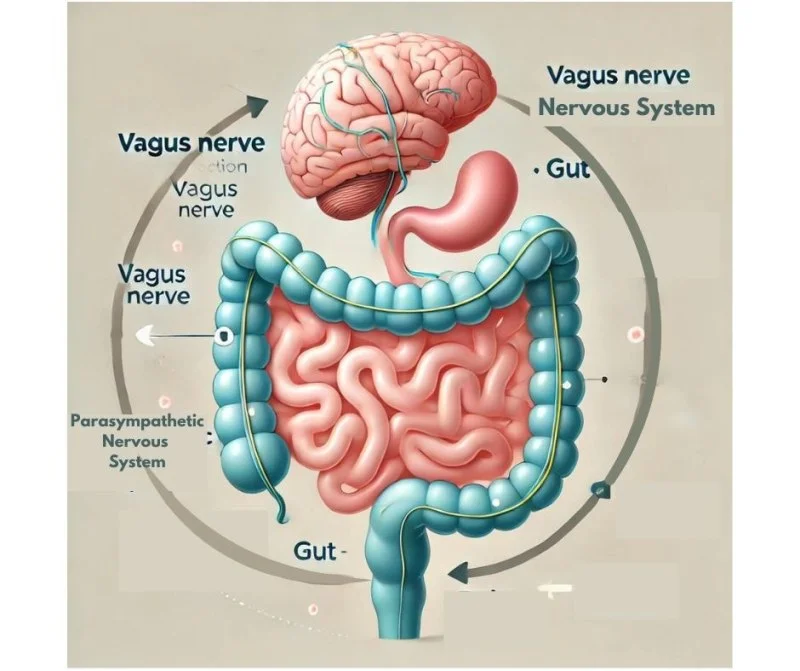
At the heart of the gut-brain connection lies the vagus nerve, the longest cranial nerve in your body. This remarkable neural pathway acts like a fiber-optic cable, transmitting signals between your gut and brain at lightning speed. Studies show that about 90% of these signals travel from the gut to the brain, not the other way around—your gut is literally talking to your brain constantly.
The Gut Microbiome: Your Internal Ecosystem
Your digestive system hosts trillions of microorganisms collectively known as the gut microbiome. These tiny inhabitants aren’t just passive residents—they’re active participants in your mental health. These beneficial bacteria produce neurotransmitters like serotonin, dopamine, and GABA, the same chemicals that psychiatric medications target.
In fact, approximately 95% of your body’s serotonin—the “happy hormone”—is produced in your gut, not your brain. This explains why gut health issues often coincide with mood disorders like anxiety and depression.
How Your Gut Affects Your Mental Health

Depression and Anxiety: The Gut Connection
Research has revealed striking links between gut health and mental wellness. People with irritable bowel syndrome (IBS) are significantly more likely to experience anxiety and depression. Similarly, individuals with depression often report digestive issues. This isn’t coincidental—it’s your gut-brain axis in action.
When your gut microbiome becomes imbalanced (a condition called dysbiosis), it can trigger inflammatory responses that affect brain function. This inflammation may contribute to:
- Mood swings and irritability
- Anxiety and panic attacks
- Brain fog and poor concentration
- Depression and low motivation
- Sleep disturbances
Stress: A Two-Way Street
Stress is a perfect example of bidirectional gut-brain communication. When you’re stressed, your brain sends signals that can disrupt your digestion, causing symptoms like stomach pain, diarrhea, or constipation. Conversely, an unhealthy gut can send distress signals to your brain, making you feel anxious or depressed even when there’s no external stressor.
Foods That Strengthen the Gut-Brain Connection
Probiotics: Your Gut’s Best Friend
Probiotics are live beneficial bacteria that support a healthy gut microbiome. Foods rich in probiotics include:
- Yogurt with live cultures
- Kefir
- Sauerkraut
- Kimchi
- Miso
- Kombucha
- Traditional buttermilk
Adding these fermented foods to your daily diet can help maintain the delicate balance of your gut ecosystem.
Prebiotics: Food for Your Good Bacteria
Prebiotics are dietary fibers that feed your beneficial gut bacteria. Rich sources include:
- Garlic and onions
- Leeks and asparagus
- Bananas (especially when slightly green)
- Oats and barley
- Apples
- Flaxseeds and chia seeds
Brain-Boosting Nutrients
Certain nutrients specifically support the gut-brain axis:
Omega-3 Fatty Acids: Found in fatty fish, walnuts, and flaxseeds, these healthy fats reduce inflammation and support brain health.
Polyphenols: Present in berries, dark chocolate, green tea, and olive oil, these compounds act as antioxidants and promote beneficial bacteria growth.
Tryptophan: This amino acid, found in turkey, eggs, and cheese, is a precursor to serotonin production.
Lifestyle Strategies to Optimize Your Gut-Brain Connection
Stress Management Techniques
Since stress disrupts the gut-brain axis, managing it is crucial:
- Practice mindfulness meditation: Just 10 minutes daily can reduce inflammation and improve gut health
- Try deep breathing exercises: Activates the vagus nerve and promotes calm
- Engage in regular exercise: Increases beneficial gut bacteria and releases mood-boosting endorphins
- Prioritize quality sleep: Your gut microbiome follows a circadian rhythm too
The Exercise Factor
Physical activity doesn’t just build muscles—it cultivates a healthier gut microbiome. Regular exercise increases the diversity of gut bacteria, which is associated with better mental health and resilience. Aim for at least 150 minutes of moderate activity per week, whether it’s brisk walking, cycling, swimming, or dancing.
Limit Gut Disruptors
Certain substances can damage your gut-brain connection:
- Excessive antibiotics: While sometimes necessary, overuse kills beneficial bacteria
- Artificial sweeteners: May negatively alter gut bacteria composition
- Processed foods and added sugars: Feed harmful bacteria and promote inflammation
- Excessive alcohol: Disrupts the gut microbiome and intestinal barrier
Signs Your Gut-Brain Connection Needs Attention
Pay attention to these warning signs that your gut-brain axis may be out of balance:
- Unexplained mood changes or increased anxiety
- Persistent digestive issues (bloating, irregular bowel movements)
- Chronic fatigue despite adequate sleep
- Difficulty concentrating or “brain fog”
- Food sensitivities you didn’t have before
- Skin problems like acne or eczema
- Frequent infections or weakened immunity
The Future of Gut-Brain Research
The field of psychobiotics—probiotics specifically designed to improve mental health—represents an exciting frontier. Researchers are investigating how targeted probiotic strains might treat conditions like depression, anxiety, autism spectrum disorder, and even Alzheimer’s disease.
Early studies show promising results, with certain probiotic combinations reducing anxiety symptoms as effectively as some medications, but without the side effects. As our understanding deepens, personalized gut microbiome interventions may become a standard part of mental health treatment.
Conclusion
The gut-brain connection represents one of the most exciting discoveries in modern health science. Understanding that your gut is truly a “second brain” empowers you to take control of both your digestive health and mental well-being through the foods you eat, the way you manage stress, and the lifestyle choices you make daily.
Your gut and brain are in constant conversation, influencing your mood, cognition, immune function, and overall vitality. By nurturing this relationship with probiotic-rich foods, stress management, regular exercise, and adequate sleep, you’re not just improving your digestion—you’re investing in your mental health, emotional resilience, and quality of life.
Remember, small changes can make a big difference. Start with one positive habit today, whether it’s adding fermented foods to your diet, practicing five minutes of meditation, or taking a daily walk. Your gut—and your brain—will thank you.
Frequently Asked Questions (FAQ)
Q: How long does it take to improve the gut-brain connection?
A: You may notice some improvements within a few days to weeks of making dietary and lifestyle changes, but fully rebalancing your gut microbiome typically takes 3-6 months of consistent healthy habits. Mental health benefits often become more noticeable after 8-12 weeks.
Q: Can probiotics help with anxiety and depression?
A: Research shows that certain probiotic strains can reduce symptoms of anxiety and depression. However, probiotics should complement, not replace, professional mental health treatment. Always consult with your healthcare provider about incorporating probiotics into your mental health strategy.
Q: What’s the difference between probiotics and prebiotics?
A: Probiotics are live beneficial bacteria that you consume, while prebiotics are dietary fibers that feed the good bacteria already in your gut. Both are important: probiotics add helpful microorganisms, and prebiotics help them thrive.
Q: Can antibiotics permanently damage the gut-brain connection?
A: While antibiotics can disrupt your gut microbiome, the damage isn’t usually permanent. Your gut can recover, especially with probiotic supplementation and a fiber-rich diet. However, repeated antibiotic use without gut support can lead to longer-lasting imbalances.
Q: Are there any tests to check my gut-brain health?
A: Yes, several tests are available. Comprehensive stool tests can analyze your gut microbiome composition, and functional medicine practitioners can assess markers of inflammation and gut barrier integrity. Some companies also offer at-home microbiome testing kits.
Q: What’s the best diet for gut-brain health?
A: A Mediterranean-style diet rich in vegetables, fruits, whole grains, legumes, nuts, fish, and olive oil is consistently shown to support gut-brain health. This eating pattern provides diverse fiber, polyphenols, omega-3s, and other nutrients that nurture beneficial gut bacteria.
Q: Can children benefit from improving the gut-brain connection?
A: Absolutely. Children’s gut microbiomes are still developing, making childhood an ideal time to establish healthy eating habits. Research suggests that a healthy gut microbiome in childhood may reduce the risk of anxiety, depression, and behavioral issues later in life.
Q: Is it better to get probiotics from food or supplements?
A: Ideally, both. Fermented foods provide probiotics along with nutrients and other beneficial compounds. Supplements can deliver higher, more targeted doses of specific strains. For general health, focus on food first, and consider supplements for specific issues under professional guidance.
Q: How does sleep affect the gut-brain connection?
A: Sleep and gut health have a reciprocal relationship. Poor sleep can disrupt your gut microbiome, and an unhealthy gut can interfere with sleep quality. Your gut bacteria follow circadian rhythms, so maintaining consistent sleep schedules supports both your gut and brain health.
Q: Can exercise alone improve the gut-brain connection?
A: Exercise is powerful for gut-brain health, increasing microbial diversity and reducing inflammation. However, the best results come from combining regular physical activity with a gut-healthy diet, stress management, and adequate sleep. Think of it as a holistic approach rather than a single solution.

Health & Wellness Writer | Research-Informed Health Content Creator
A.K.M. Monjurul Hoque is a health and wellness writer specializing in health, beauty, fitness, nutrition and healthy living. His content is informed by health journals, books, seminars, training programs, and discussions with experienced healthcare professionals. He writes clear, practical and research-informed articles for general education and encourages readers to seek personalized advice from qualified medical professionals.