
Wearable devices are small gadgets. You can wear them on your wrist. They help track your health. These devices are important in digital healthcare.

Credit: www.iqviamedicalsalescareers.com
What Are Wearable Devices?
Wearable devices are tools. They can measure your heart rate. They can count your steps. They can track your sleep. These devices help you understand your health better.
Types Of Wearable Devices
- Smartwatches
- Fitness trackers
- Heart rate monitors
- Blood pressure monitors
Each type has its own use. But all help you stay healthy.
How Do Wearable Devices Help in Healthcare?
Wearable devices collect health data. This data can be very useful. Doctors can use it to monitor your health. It helps them give better care.
Tracking Physical Activity
Wearable devices track your physical activity. They count your steps. They measure the distance you walk. They can even count the calories you burn. This helps you stay fit and healthy.
Monitoring Heart Rate
Many wearable devices can monitor your heart rate. They can tell if your heart rate is too high or too low. This helps you keep your heart healthy.
Improving Sleep Quality
Wearable devices can track your sleep. They can tell how long you sleep. They can also show the quality of your sleep. This helps you get better rest.
Managing Chronic Diseases
Wearable devices can help manage chronic diseases. They can track blood sugar levels. They can monitor blood pressure. This helps people with diabetes or hypertension manage their health better.
Benefits of Wearable Devices in Healthcare
Wearable devices offer many benefits. Here are some of them:
Convenience
Wearable devices are easy to use. You can wear them all the time. They can track your health without much effort.
Real-time Data
Wearable devices provide real-time data. You can see your health information at any time. This helps you make quick decisions about your health.
Personalized Health Care
Wearable devices provide personalized health care. They give information about your own health. This helps you and your doctor make better health choices.
Early Detection
Wearable devices can detect health issues early. They can spot changes in your health. This helps you get treatment sooner.
Challenges of Wearable Devices in Healthcare
Wearable devices have some challenges. Here are a few:
Accuracy
Wearable devices are not always accurate. They may sometimes give wrong readings. This can be a problem for your health.
Cost
Wearable devices can be expensive. Not everyone can afford them. This limits their use.
Privacy
Wearable devices collect a lot of personal data. This data needs to be kept safe. If not, it can be misused.
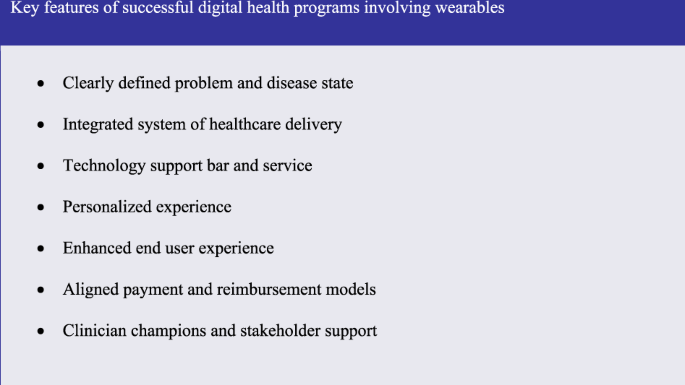
Credit: www.nature.com
Future of Wearable Devices in Healthcare
The future of wearable devices in healthcare looks bright. Here are some trends to watch:
More Advanced Sensors
Future wearable devices will have better sensors. They will be able to track more health data. This will make them more useful.
Better Integration With Healthcare Systems
Wearable devices will integrate better with healthcare systems. This will make it easier for doctors to access your health data. It will improve the quality of care you get.
More Affordable Devices
As technology improves, wearable devices will become cheaper. This will make them accessible to more people.
Improved Data Privacy
Future devices will have better data privacy features. This will keep your health data safe.
Frequently Asked Questions
What Are Wearable Devices in Healthcare?
Wearable devices are gadgets like smartwatches and fitness trackers that monitor health data.
How Do Wearable Devices Improve Healthcare?
They track vital signs, monitor activity, and help in managing chronic diseases.
Can Wearable Devices Detect Early Signs of Diseases?
Yes, they can monitor symptoms and alert users to potential health issues early.
Are Wearable Devices Accurate in Measuring Health Data?
Most wearable devices are fairly accurate, though not as precise as medical-grade equipment.
Conclusion
Wearable devices play a big role in digital healthcare. They help track physical activity, monitor heart rate, and improve sleep quality. They also help manage chronic diseases. While there are challenges, the future looks promising. Wearable devices will become more advanced, better integrated, and more affordable. They will continue to be an important part of healthcare.

