
Artificial Intelligence (AI) is changing healthcare rapidly. AI-driven diagnostics are leading the way.
Digital health is now using AI for better diagnostics. This trend is revolutionizing patient care. It helps doctors make faster and more accurate decisions. AI tools analyze vast amounts of data in seconds. This means quicker diagnoses and better treatment plans.
Patients benefit with more personalized care. AI’s role in diagnostics will only grow. It’s an exciting time for digital health. Understanding these trends is crucial for healthcare professionals and patients alike. Let’s explore how AI-driven diagnostics are shaping the future of healthcare.
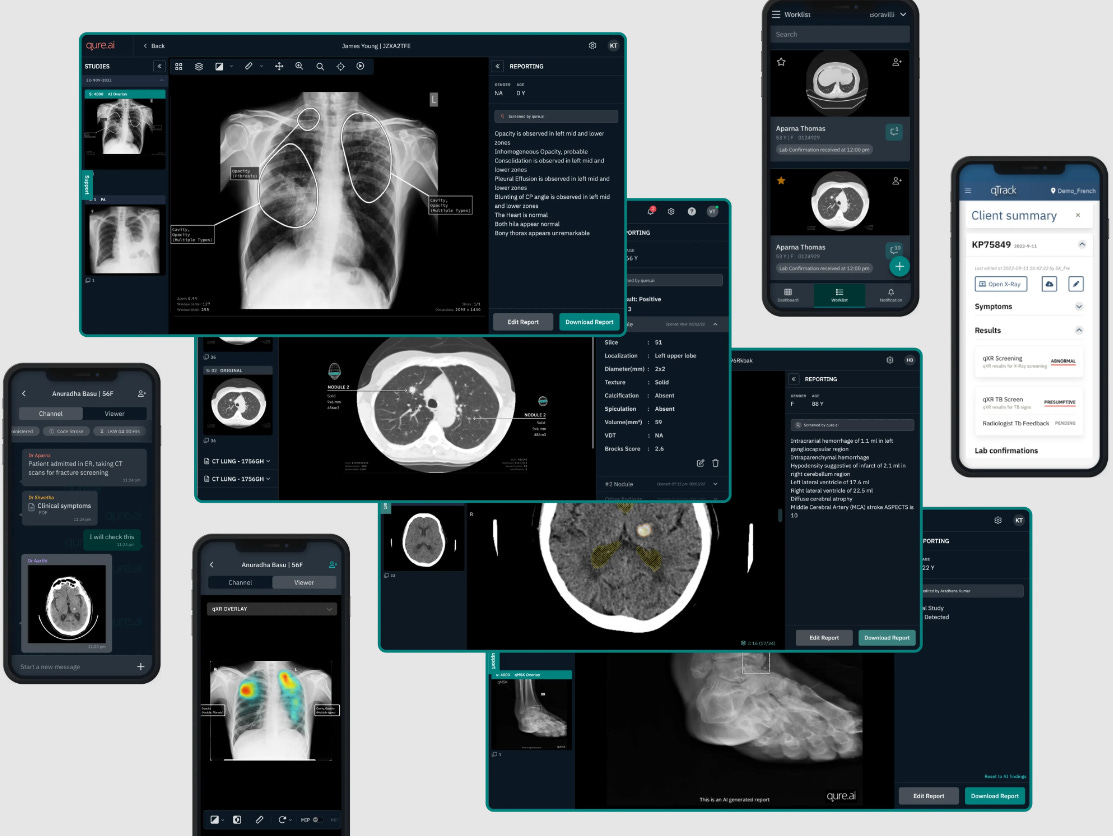
Credit: thisweekinproducts.substack.com
Emerging Ai Technologies
Machine learning helps doctors understand health data. It can find patterns in patient records. These patterns help predict diseases. This makes early treatment possible. Machine learning tools analyze huge amounts of data. They work faster than humans. They also improve over time. This means they get better at finding problems.
Deep learning uses complex algorithms. It mimics the human brain. This helps in reading medical images. Tools like these can detect cancer in X-rays. They also help in finding other diseases. Deep learning systems learn from many images. Each new image makes the system smarter. This leads to more accurate results.
Impact On Patient Care
AI can create personalized treatment plans for each patient. It looks at patient data and suggests the best options. This helps doctors make better choices. Patients get treatments that fit their needs. They feel more cared for.
AI helps in making accurate diagnoses. It scans medical data quickly. This reduces human error. Doctors get the right information faster. Patients get the right treatment sooner. Lives can be saved by this speed and accuracy.
Integration With Medical Devices
Wearable health monitors track vital signs. They collect data on heart rate, sleep, and steps. AI-driven diagnostics analyze this data. They find patterns and alert users. This helps in early detection of health issues. Wearables like smartwatches make this easy. They provide real-time feedback. They also sync with smartphones. This makes health tracking simple and convenient.
Smart imaging systems use AI to read medical images. They scan X-rays, MRIs, and CT scans. AI helps spot anomalies. This speeds up diagnosis. It also reduces human error. Doctors get faster, more accurate results. Smart imaging systems save time. They improve patient care.
Advancements In Predictive Analytics
AI is improving disease prediction models. These models help in early detection. Doctors can make better choices. Patients can get help sooner. AI studies patterns in health data. Then, it predicts possible health issues. This makes treatments more effective. It also reduces costs in the long run.
AI offers new risk assessment tools. These tools assess health risks. They consider many factors. Age, lifestyle, and history are key. The tools give a clear risk score. This helps doctors plan the best care. Patients understand their risks better. They can take steps to improve health. This makes care more personal and precise.
Ethical Considerations
Ethical considerations in AI-driven diagnostics focus on patient privacy, data security, and the fairness of algorithms. Ensuring transparency and accountability remains crucial.
Patient Privacy
AI in health care collects a lot of data. This data includes personal health details. Keeping this data safe is crucial. If data is not secure, patient privacy can be at risk. Strong security measures must be in place. Encryption helps keep data safe. Only authorized people should access patient data. Patients should be informed on how their data is used. Consent is important. Breaches can harm trust in digital health. Trust is key for success.
Bias In Algorithms
AI can have biases. Biases affect diagnostic accuracy. Some groups may get less accurate results. This can affect minorities. Training data should be diverse. Diverse data helps reduce bias. Regular checks on AI systems can help. Bias detection tools are useful. Fair treatment for all is necessary. Developers must work hard to ensure fairness. Equal care for everyone is the goal. Everyone deserves accurate health care. Fair AI benefits all patients.
Regulatory Challenges
Navigating regulatory challenges is crucial for the growth of AI-driven diagnostics in digital health. Ensuring compliance with evolving standards demands constant attention and adaptability. Effective strategies help maintain trust and reliability in AI technologies.
Compliance With Standards
AI-driven diagnostics must meet strict standards. These standards ensure safety and accuracy. Experts create these rules. Companies must follow them. This is to protect patients. It also builds trust in AI tools.
Approval Processes
Gaining approval for AI tools can be slow. The process includes many steps. First, developers must test the tool. Then, they send results to regulators. Regulators review the data. They check for safety and effectiveness. Only after approval, the tool can be used in healthcare. This ensures that AI tools are safe for everyone.
Future Prospects
AI has the power to change healthcare. Smart diagnostics can find diseases earlier. This can save many lives. Machine learning helps doctors see patterns. These patterns are not easy to spot. AI tools can read X-rays and scans faster. They also make fewer mistakes. New apps can track health signs daily. This data helps in early diagnosis. Wearable devices can send alerts. They warn about health risks in real time.
AI diagnostics may lower healthcare costs. Better efficiency means less waste. People can get treatment sooner. This can reduce hospital stays. AI systems also learn and improve over time. They get better with more data. This leads to more accurate results. AI tools can help in remote areas. People in rural places can access good care. Global health can improve with AI. It makes healthcare more equal for all.
AI tools have changed healthcare. Doctors use AI to find diseases fast. AI in radiology helps detect cancer early. This saves lives. AI also helps in pathology. It can spot problems in slides that humans miss.
Another example is AI in dermatology. It helps doctors find skin problems. This makes treatments quicker. Patients get better care. AI helps in predicting heart problems too. It looks at heart scans and gives results quickly.
AI needs good data. Poor data leads to poor results. Training AI is also important. It must learn from many cases. Doctors and AI must work together. This leads to the best care. Trust in AI grows with good results. Patients feel safer.
There are challenges. Privacy is one. Data must be safe. AI must be fair. It should help everyone, not just some. Continuous learning is key. AI should keep improving. This helps in giving better care.
Frequently Asked Questions
What Is AI-Driven Diagnostics?
AI-driven diagnostics use artificial intelligence to analyze medical data for accurate disease detection. It enhances diagnostic precision, reduces errors, and speeds up the process. This technology is transforming healthcare, making it more efficient.
How Does AI Improve Digital Health?
AI improves digital health by providing accurate diagnostics, personalized treatment plans, and predictive analytics. It helps in early disease detection and enhances patient care. AI-driven tools streamline healthcare processes, making them more efficient.
What Are The Benefits Of AI In Diagnostics?
AI in diagnostics offers accuracy, speed, and efficiency. It reduces human error, improves early disease detection, and provides personalized treatment. This technology enhances patient care and optimizes healthcare resources.
How Is AI Used in Healthcare Diagnostics?
AI is used in healthcare diagnostics for image analysis, predictive analytics, and personalized treatment. It processes large datasets to identify patterns and anomalies. AI assists doctors in making accurate diagnoses and treatment plans.
Conclusion
The future of AI-driven diagnostics in digital health looks promising. These advancements enhance patient care. They also improve diagnostic accuracy. Clinics and hospitals benefit from faster results. Patients receive better, more personalized treatments. AI continues to evolve in healthcare. Staying informed on these trends is crucial.
The integration of AI is shaping modern medicine. So, we must embrace these innovations. They hold the key to a healthier future.

