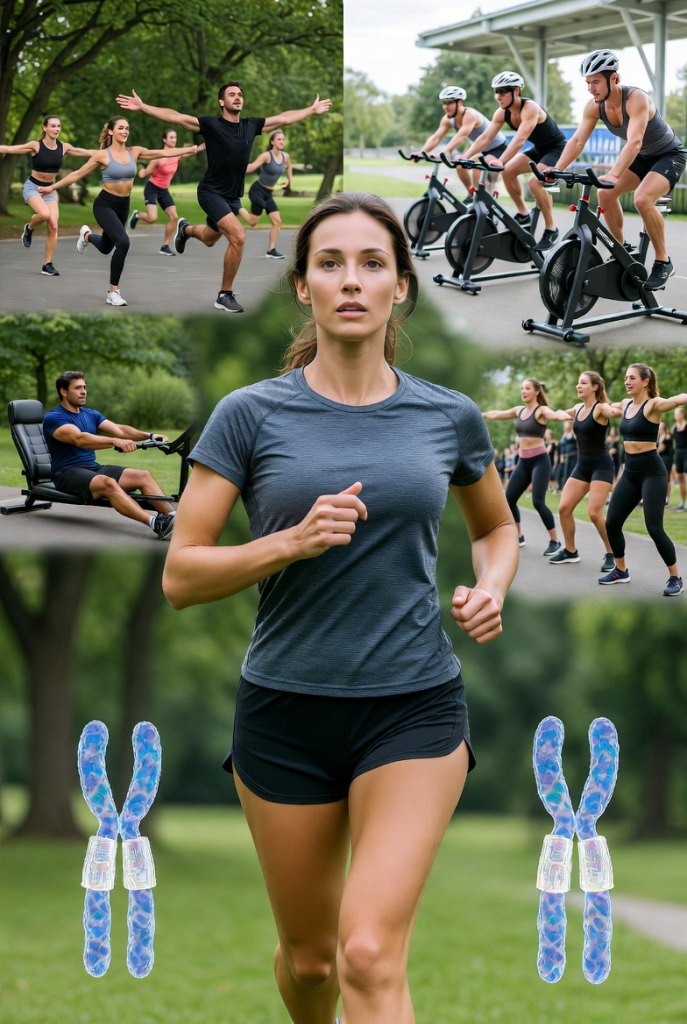
Imagine if you could rewind the clock—not with expensive creams or gadgets, but with something as straightforward as breaking a serious sweat. Recent research reveals that consistent high-impact exercise may help protect your cells from aging, potentially making your body biologically younger by as much as nine years.
This isn’t about chronological age (the number of birthdays you’ve celebrated). It’s about biological age, measured through telomeres—those protective caps on the ends of your chromosomes, similar to the plastic tips that keep shoelaces from fraying. As we get older, telomeres naturally shorten, increasing vulnerability to age-related issues like heart disease, diabetes, and more. Longer telomeres? That’s a sign your cells are holding up better against time.
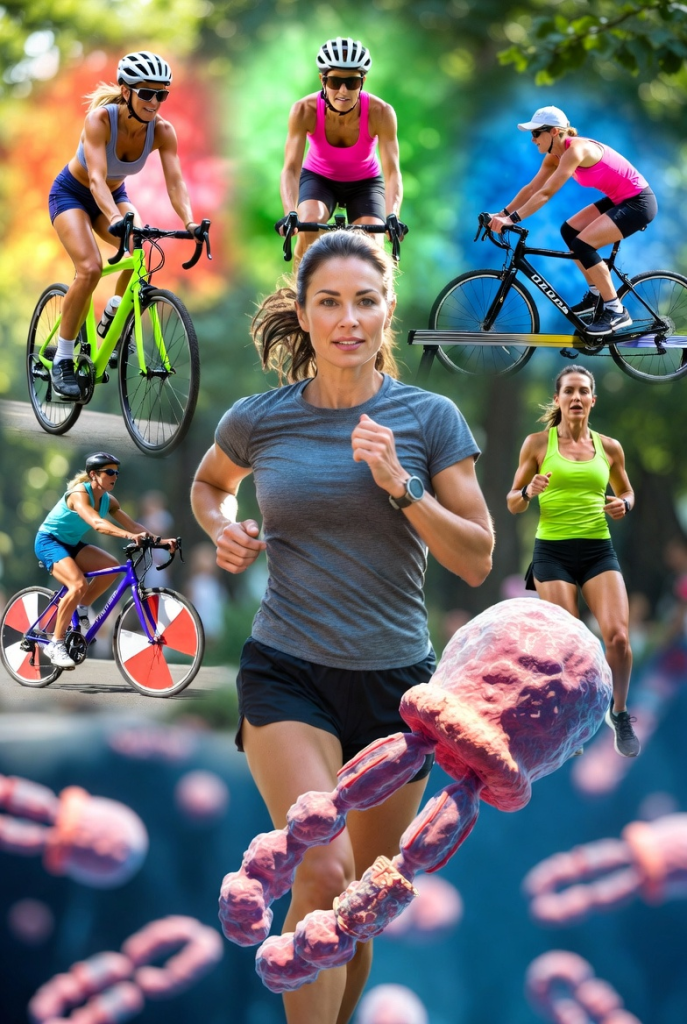
A landmark study led by exercise science professor Larry Tucker at Brigham Young University examined data from over 5,800 U.S. adults aged 20 to 84. The results were eye-opening: people who maintained high levels of physical activity had noticeably longer telomeres compared to those who were sedentary or only moderately active. In fact, the highly active group showed a biological aging advantage of about nine years over sedentary individuals (and roughly seven years over moderate exercisers).
What counts as “high level” in this research? It translated to vigorous activity like jogging—around 30 minutes per day for women and 40 minutes for men, done five days a week. Professor Tucker stressed that casual or light workouts don’t deliver the same effect: “To truly impact biological aging, you need regular, intense effort—not just a little movement here and there.”
Don’t worry if full-on running feels daunting right now. Beginners can ease in with methods like interval training (often called “Jeffing”—alternating jogs with walk breaks) to build stamina safely. Good running shoes and proper form also help prevent injuries.
The best part? You don’t have to stick strictly to jogging. Any vigorous, heart-pumping activity can offer similar telomere-protecting benefits. Consider these high-impact alternatives:
- HIIT workouts (high-intensity interval training) with bursts of effort followed by short recovery periods
- Sprint cycling or stationary bike sessions
- Spin classes or vigorous indoor cycling
- Rowing machine intervals at the gym
- Fast-paced dance classes like Zumba
The secret is consistency and intensity—choose something you genuinely enjoy so it becomes a sustainable habit. Not only will this boost your cardiovascular health, energy levels, and mood, but it could also help preserve those precious telomeres and slow cellular aging.
In short, while we can’t stop time entirely, ramping up to vigorous exercise several times a week appears to be one of the most powerful, evidence-based ways to fight aging from the inside out. Lace up, get moving, and give your cells a fighting chance to stay youthful!
Conclusion
The Brigham Young University findings add compelling evidence that high-impact exercise isn’t just great for fitness—it’s a legitimate tool for slowing biological aging at the cellular level. By prioritizing regular vigorous activity (aiming for those guideline levels of intensity), you invest in longer, healthier years ahead. Start where you are, build gradually, and enjoy the process—your future self (and your telomeres) will thank you.
FAQ
What are telomeres, and why do they matter for aging?
Telomeres are protective DNA caps that shorten with age and cell division. Shorter telomeres are linked to faster cellular aging and higher disease risk, while longer ones indicate better biological youth.
How much exercise is needed to potentially slow biological aging by 9 years?
According to the study, high activity levels—equivalent to about 30–40 minutes of jogging daily (5 days/week), or roughly 150–200 minutes of vigorous effort weekly—were associated with telomeres reflecting up to nine years less cellular aging compared to sedentary people.
Does moderate exercise help telomeres too?
Moderate activity offers some benefits, but the research showed the biggest telomere advantages came from high-intensity efforts. Moderate exercisers had shorter telomeres than the highly active group.
Can non-runners get the same anti-aging benefits?
Yes! Alternatives like HIIT, cycling sprints, rowing, or intense dance classes provide vigorous cardio that can support telomere health, as long as they elevate your heart rate significantly and are done consistently.
Is this study recent, and has it been replicated?
The key Tucker study was published in 2017 in Preventive Medicine, based on NHANES data. Follow-up research (including more from Tucker) has reinforced links between vigorous exercise and telomere length, though more longitudinal studies are ideal.