
Walking is a simple activity with great benefits. It’s especially good for heart health.
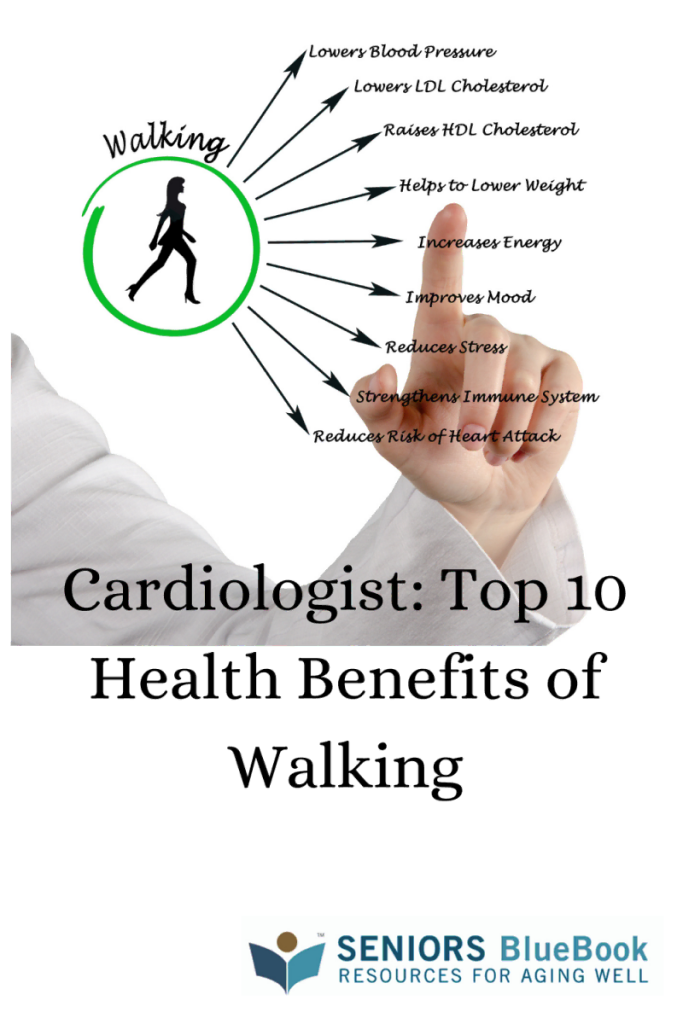
Walking can be a powerful tool to keep your heart healthy. This low-impact exercise can improve your mood and boost your physical health. A daily walk can help lower blood pressure, reduce cholesterol levels, and maintain a healthy weight. These benefits can reduce the risk of heart disease.
Plus, walking is easy to do, and you don’t need special equipment. Whether you prefer a stroll in the park or a brisk walk around your neighborhood, every step counts. So, get ready to lace up your shoes and take a step towards better heart health.

Walking is a simple yet powerful activity that can greatly benefit heart health. Regular walks can help boost cardiovascular health, improve circulation, and lower blood pressure. This makes it an excellent exercise for people of all ages. Understanding these benefits can motivate you to incorporate more walking into your daily routine.
Improved Circulation
Walking helps to improve circulation by increasing blood flow throughout the body. This activity stimulates the heart, making it pump more efficiently. As a result, it delivers oxygen and nutrients to cells more effectively.
Here are some key points about how walking improves circulation:
- Increases heart rate: Regular walking raises the heart rate, improving overall cardiovascular function.
- Enhances oxygen delivery: Improved blood flow means more oxygen reaches muscles and organs.
- Reduces risk of blood clots: Regular movement keeps blood from pooling and clotting.
Additionally, walking can help maintain healthy blood vessels. This is crucial for preventing conditions like atherosclerosis. Walking also supports the vascular system by keeping arteries flexible and reducing plaque buildup.
In summary, improved circulation from walking supports a healthy heart and overall wellness.
Lower Blood Pressure
Walking regularly can help lower blood pressure. This is especially important for people with hypertension. Walking helps by strengthening the heart, allowing it to pump blood with less effort.
Some benefits of walking for lowering blood pressure include:
- Reduces stress levels: Lower stress can lead to lower blood pressure.
- Promotes weight loss: Losing weight can help decrease blood pressure.
- Improves heart function: A stronger heart pumps blood more efficiently, reducing pressure on arteries.
Studies have shown that walking at a brisk pace can significantly lower systolic and diastolic blood pressure. Even short walks, if done regularly, can make a big difference. The key is consistency. Aim for at least 30 minutes of walking most days of the week.
By incorporating walking into your daily routine, you can take a proactive step toward maintaining healthy blood pressure levels.
Weight Management
Walking is an excellent way to improve heart health and manage weight. It is a simple exercise that does not require any special equipment. You can do it almost anywhere. Walking regularly can lead to significant health benefits. These benefits include burning calories and strengthening muscles. Both are crucial for maintaining a healthy heart.
Calorie Burning
Walking helps in burning calories effectively. The amount of calories burned depends on your weight, walking speed, and duration. For example, a person weighing 155 pounds burns about 140 calories in 30 minutes at a moderate pace. This can contribute significantly to weight management.
Here are some factors that influence calorie burning:
- Walking Speed: Faster walking burns more calories.
- Duration: Longer walks lead to more calories burned.
- Body Weight: Heavier individuals burn more calories.
Even short walks can add up. Walking 30 minutes a day can help burn excess calories and prevent weight gain. Combining walking with a balanced diet can lead to better weight management and heart health.
Muscle Strengthening
Walking is also great for strengthening muscles. Stronger muscles improve heart health by supporting better circulation. It targets the muscles in your legs, hips, and core. These muscles help in stabilizing the body.
Here are some benefits of muscle strengthening through walking:
- Improved Balance: Stronger muscles improve overall balance.
- Reduced Risk of Injuries: Well-toned muscles lower the risk of falls and injuries.
- Better Posture: Walking helps in maintaining a healthy posture.
To maximize muscle strengthening, try incorporating inclines and varied terrains in your walks. Walking uphill or on uneven surfaces engages more muscles. This leads to better muscle tone and strength. Over time, stronger muscles contribute to a healthier heart and body.
Mental Well-being
Walking is a simple and effective way to improve heart health. It helps in reducing blood pressure and increasing circulation. Walking also has benefits for mental well-being. It can help reduce stress and enhance mood. These mental health benefits are just as important as the physical ones.
Stress Reduction
Walking helps to lower stress levels. Stress can have a negative impact on heart health. A daily walk can reduce stress hormones like cortisol. Lower stress levels mean a healthier heart. Walking outside has added benefits. Nature walks can be even more calming. The fresh air and greenery can enhance the stress-reducing effects.
There are several ways walking reduces stress:
- Physical activity releases endorphins, which are natural mood lifters.
- Breathing deeply while walking can help calm the mind.
- Taking breaks from a stressful routine can refresh your mind.
Consistency is key. Walking for just 30 minutes a day can make a big difference. It is an easy activity that fits into any lifestyle. No special equipment or gym membership is needed. Just a comfortable pair of shoes and a safe path to walk.
Mood Enhancement
Walking can significantly improve mood. It is known to reduce feelings of depression and anxiety. Regular walks can boost self-esteem and overall happiness. The act of walking itself, combined with the release of endorphins, contributes to a better mood.
Here are some benefits of walking for mood enhancement:
- Increased energy levels help you feel more positive.
- Better sleep leads to improved mental health.
- Social interaction during walks can lift spirits.
Walking in groups can be particularly beneficial. It provides a sense of community and support. Even solo walks can be uplifting. Listening to music or a podcast can make the experience more enjoyable. The key is to find a routine that works for you and stick to it.
Frequently Asked Questions
How Does Walking Improve Heart Health?
Walking strengthens the heart and improves circulation. It lowers blood pressure and bad cholesterol.
Is Walking Daily Good For The Heart?
Yes, daily walking keeps the heart healthy. It reduces the risk of heart disease.
How Much Should I Walk for Heart Benefits?
Aim for 30 minutes of walking every day. It keeps the heart strong.
Conclusion
Walking offers great benefits for heart health. It’s simple and effective. You don’t need special equipment. Just a comfortable pair of shoes. Regular walks can reduce heart disease risk. Blood pressure improves. Cholesterol levels drop. You feel more energized and less stressed.
Walking strengthens your heart and boosts overall well-being. So, take a step towards a healthier heart today. Start walking and enjoy the benefits. Your heart will thank you.

