
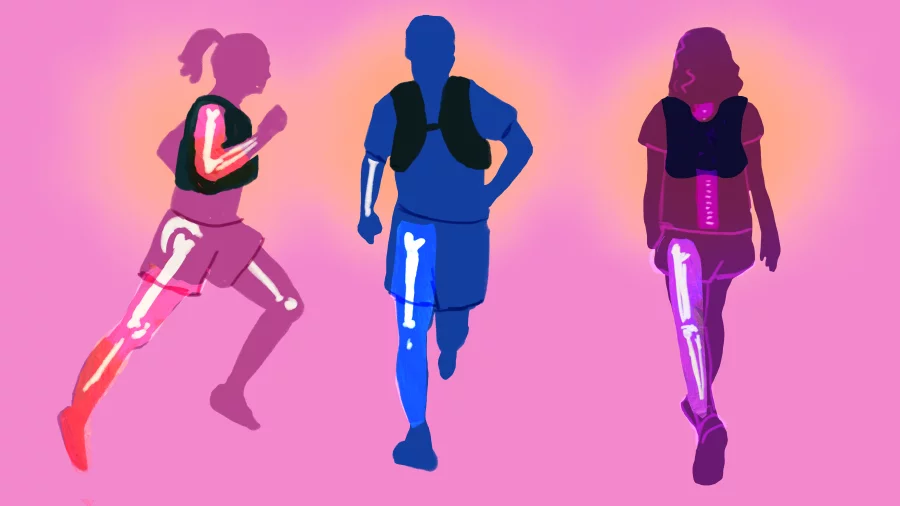
Weighted vests are everywhere. Influencers are touting them as the ultimate tool for everything from boosted posture and calorie burn to improved bone density, especially for women navigating the challenges of perimenopause and menopause.
But are weighted vests the real deal, or just another fitness fad preying on our desire for easy solutions? Let’s unpack the facts.
The Claim: Weighted vests are a magic bullet for fitness, delivering improved posture, weight loss, better cardiovascular health, and stronger muscles and bones.
The Reality: Unfortunately, the science isn’t as supportive as the social media fanfare. While all movement is good, experts urge caution about overhyping the benefits, especially when it comes to bone and muscle strength.
But, she cautions, the marketing around weighted vests often overpromises, particularly for bone and muscle health. The current research simply doesn’t back up the hype.
While some small studies suggest potential benefits when combined with resistance training, it’s unclear whether the vest or the exercises themselves are the true drivers of bone growth. The real secret to building strength? Good old-fashioned resistance training. Think bicep curls with dumbbells or squats with a barbell. These exercises, performed through a full range of motion with significant resistance, actively stimulate muscle growth.
Walking – weighted or not – doesn’t provide enough stress to trigger significant muscle development.
Beyond Bone Density: What About Menopause?
For women experiencing menopause, the appeal of weighted vests is understandable. Bone density declines during this period, making them more vulnerable to fractures. However, experts like OB-GYN Monica Christmas advocate for weight-bearing exercises like resistance training and Pilates as more effective tools for maintaining bone health during this stage of life.
Another OB-GYN specializing in menopause, Nanette Santoro, expresses skepticism about the profit-driven promises surrounding menopause remedies, labelling weighted vests as a “novelty item that will provide people with the illusion of embracing wellness while making the purveyor wealthy.”
The Nuance: Cardio and Personal Preference
It’s not all bad news for weighted vests. Roger Fielding, an exercise scientist at Tufts University, points out potential cardiovascular benefits. Walking with added weight increases energy expenditure and oxygen consumption, essentially making your workout more challenging. And, let’s be honest, if a weighted vest gets you moving when you otherwise wouldn’t, that’s a win.
For some, it’s simply about the feeling. Katie Brodnik, who runs menopause workshops, views her weighted vest as a “tool” that boosts her confidence and makes her feel stronger.
The Bottom Line:
While weighted vests may offer some cardiovascular benefits and serve as a motivator for certain individuals, current research doesn’t support claims of significant improvements in bone or muscle strength.
Ultimately, if you enjoy wearing a weighted vest and find it helps you stay active, go for it. But don’t rely on it as a substitute for established methods of building strength and maintaining bone density, especially as you age. And that might just be a regular walk, unweighted, enjoying the sunshine.

Your article helped me a lot, is there any more related content? Thanks!
Well Come