A 2022 groundbreaking study published in the journal Neurology has uncovered an intriguing connection: your blood type could play a subtle role in your risk of experiencing an early-onset stroke (before age 60). While blood types are best known for matching in transfusions, emerging genetic research shows they might influence vascular health in surprising ways.
This isn’t about panic—it’s about awareness. The increased risk tied to certain blood types is modest, and lifestyle factors remain far more impactful for preventing strokes.

Key Findings from the Major 2022 Neurology Study
Researchers analyzed genetic data from 48 studies, involving around 17,000 individuals who had an ischemic stroke (caused by blood clots blocking brain flow) and nearly 600,000 without, all aged 18–59.
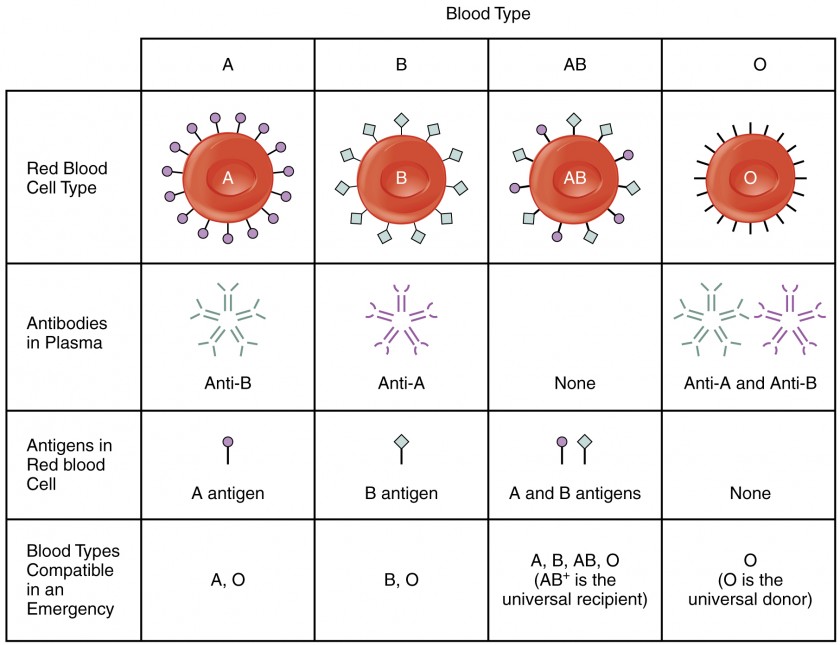
The results highlighted the ABO gene locus—the one that determines blood types A, B, AB, and O:
- People with blood type A (specifically the A1 subgroup variant) faced a 16% higher risk of early-onset stroke compared to other blood types.
- Those with blood type O (particularly the common O1 variant) showed a 12% lower risk.
Interestingly, this association was strongest for strokes before age 60 and largely disappeared in older age groups.
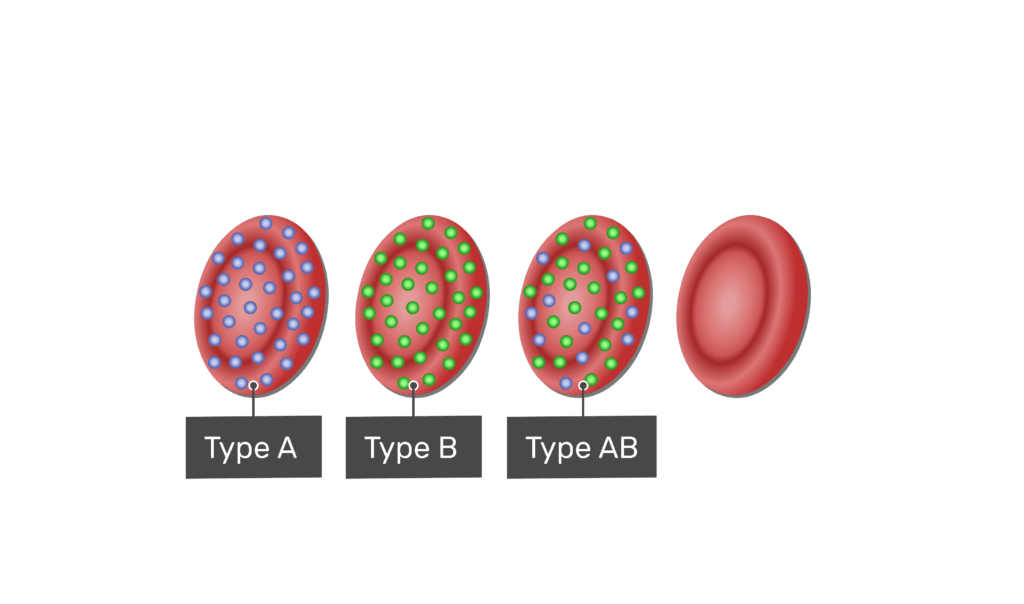
ABO and Rh blood types | GetBodySmart
Why Might Blood Type A Increase Clotting Risk?
Experts believe the link ties to blood clotting factors. The ABO gene region influences proteins like von Willebrand factor and others that affect how easily blood clots form. Type A blood may create a slightly more “pro-thrombotic” environment, raising the odds of clots that lead to strokes—especially in younger people where genetic factors play a bigger role than accumulated lifestyle damage.
In contrast, type O blood often correlates with lower clotting tendencies.
Early strokes (under 60) tend to stem more from clotting issues and genetics, while strokes after 60 are usually driven by atherosclerosis (artery hardening from plaque buildup over decades).
Don’t Panic: The Risk Is Small and Contextual
A 16% relative increase sounds concerning, but in absolute terms, it’s minor. Most strokes (around 75% in the US) happen after age 65, and the biggest drivers are controllable:
- High blood pressure
- Smoking
- Poor diet
- Lack of exercise
- High cholesterol
- Diabetes
- Obesity
Your blood type is fixed, but these factors aren’t. Prioritizing them offers the real protection.


Practical Steps to Lower Your Stroke Risk
No matter your blood type, focus on what you can change:
- Keep blood pressure in check (aim for under 120/80 mmHg).
- Eat a balanced diet rich in fruits, vegetables, whole grains, and lean proteins.
- Exercise regularly—at least 150 minutes of moderate activity per week.
- Quit smoking and limit alcohol.
- Manage cholesterol, blood sugar, and weight through diet and medical advice.
Regular check-ups with your doctor can help catch and address risks early.
Conclusion
The surprising tie between blood type and early stroke risk adds a fascinating layer to our understanding of genetics and vascular health. People with type A may have a slightly elevated chance of stroke before 60 due to clotting tendencies, while type O offers modest protection—but these effects are small compared to lifestyle influences.
This research empowers rather than alarms: you can’t alter your blood type, but you can dramatically shape your future health through daily choices. Stay proactive about modifiable risk factors, and consult healthcare professionals for personalized guidance.
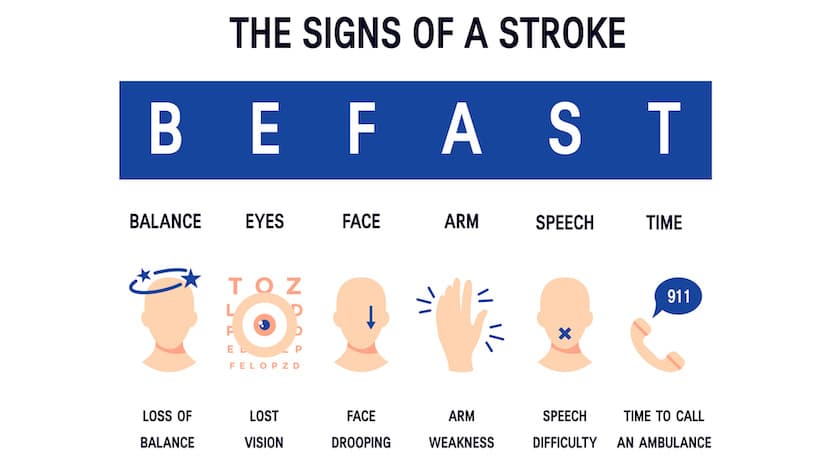
How to tell if your child is having a stroke — and where to seek treatment – UChicago Medicine
FAQ
1. Does having blood type A mean I’m definitely at high risk for a stroke? No—the 16% higher relative risk is small in absolute terms. Most stroke risk comes from high blood pressure, smoking, and other controllable factors, not blood type alone.
2. Is this link only for early strokes (before 60)? Yes, the association was specific to early-onset strokes. It didn’t hold for strokes after age 60, where lifestyle and age-related artery changes dominate.
3. What about blood types B or AB? The study showed type B had some association with strokes in general (both early and late), but the strongest and most specific link for early strokes was with type A (higher) and type O (lower).
4. Should I get extra screenings if I have type A blood? Researchers emphasize no extra screening is needed based on blood type alone. Focus on standard prevention: monitor blood pressure, cholesterol, and live healthily.
5. Has this study been confirmed? It’s a large meta-analysis from 2022, but more research in diverse populations (beyond mostly European ancestry) is ongoing to strengthen the findings.