We all know fiber is essential for smooth digestion, happy gut bacteria, steady energy, and staying satisfied longer. Yet many people associate fiber only with beans — and while beans are fantastic, they’re not the only game in town.
Most adults need 25–38 grams of fiber daily (women typically aim for about 25 g, men around 38 g, though it varies with age and calorie needs). If you want variety, better nutrient diversity, or simply to avoid bean fatigue, these six delicious, fiber-rich alternatives can help you hit your goals without repetition.
Let’s explore these everyday heroes that make healthy eating exciting again.
1. Chia Seeds: Tiny Seeds with Massive Fiber Power (≈9.8g per ounce)
Don’t let their small size fool you — chia seeds are fiber superstars. Just one ounce (about 2 tablespoons) delivers nearly 10 grams of fiber, along with plant-based omega-3s, protein, and antioxidants.
They absorb liquid and form a gel-like texture, making them perfect for creating satisfying meals.
Easy Ways to Enjoy Them:
- Stir into overnight oats for a creamy, pudding-like breakfast.
- Sprinkle over avocado toast or yogurt bowls.
- Mix with milk or plant milk and berries for a quick chia pudding dessert that feels indulgent but supports your gut.
These little seeds are incredibly versatile and add a subtle crunch or thickness wherever you use them.
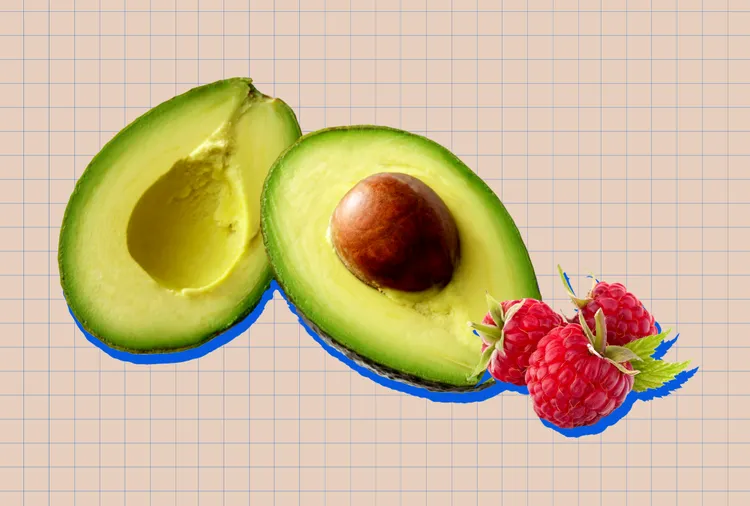
2. Avocados: Creamy, Satisfying, and Surprisingly Fibrous (≈9–10g per medium avocado)
Avocados are famous for their heart-healthy monounsaturated fats, but they also pack a serious fiber punch. One whole medium avocado provides around 9–10 grams of fiber—a simple win for your daily total.
The combination of fiber and healthy fats helps you feel full and supports steady blood sugar.
Creative Ideas:
- Mash into classic guacamole with lime and cilantro.
- Blend into a smooth salad dressing or smoothie for creaminess without dairy.
- Spread thickly on whole-grain toast or dice into salads and grain bowls.
It’s one of the easiest ways to upgrade almost any meal.
3. Green Peas: The Underrated Freezer Staple (≈8.8g per cup cooked)
Green peas often get overlooked, but they’re a fiber and protein powerhouse. One cup of cooked peas offers about 8.8 grams of fiber plus nearly 9 grams of plant protein — more fiber than many people realize from a small serving.
They contain both soluble and insoluble fiber, supporting digestion in multiple ways.
Simple Ways to Use Them:
- Blend into a bright green pesto for pasta or sandwiches.
- Puree with herbs and chickpeas for a vibrant dip or spread.
- Toss into soups, stir-fries, or rice dishes for extra color and nutrition.
Keep a bag in the freezer—they’re convenient, affordable, and surprisingly sweet.
4. Artichokes: The Elegant Fiber Champion (≈7–9g per medium artichoke)
Artichokes may look fancy or a bit intimidating, but they’re worth it. A medium cooked artichoke delivers roughly 7–9 grams of fiber, depending on size, plus unique compounds that support liver and digestive health.
Fun Ways to Serve Them:
- Chop artichoke hearts and scatter them over homemade pizza.
- Add to grain bowls, pasta salads, or roasted vegetable medleys.
- Steam or roast whole artichokes as a hands-on side dish with a flavorful dipping sauce.
They bring a unique, slightly nutty taste that elevates everyday meals.
5. Raspberries: Sweet, Tart, and Fiber-Packed (≈8g per cup)
Fresh or frozen raspberries taste like a treat while delivering serious benefits. One cup provides about 8 grams of fiber, plus antioxidants and polyphenols that support immunity and reduce inflammation.
Their natural sweetness makes them an easy swap for less healthy snacks.
Delicious Options:
- Mix into Greek yogurt or overnight oats for breakfast.
- Enjoy straight as a snack or freeze for a cool treat.
- Simmer into a simple homemade raspberry compote or chia jam.
They add beautiful color and bright flavor to any plate.
6. Lentils: Fast-Cooking, Budget-Friendly Fiber Boost (≈7.8g per ½ cup cooked)
Lentils cook much faster than most beans and bring a mild, earthy flavor that pairs with almost anything. Half a cup of cooked lentils gives you nearly 8 grams of fiber, solid plant protein, and important minerals like iron.
Practical Ways to Include Them:
- Add to soups, stews, and curries for hearty texture.
- Stir into pasta sauce or chili to boost nutrition without changing the dish much.
- Use in grain bowls or as a base for veggie burgers.
They’re a pantry staple that makes meal prep simple and nourishing.
Final Thoughts: Make Fiber Fun and Sustainable
You don’t need to rely on the same foods every day to meet your fiber needs. These six options — chia seeds, avocados, green peas, artichokes, raspberries, and lentils — bring flavor, texture, and nutritional variety to your table while supporting digestion, fullness, and overall wellness.
Start small: pick one or two new foods this week and experiment. Over time, your gut and energy levels will thank you. The best fiber plan is one you actually enjoy and can stick with long-term.
Ready to upgrade your plate? Your digestive system (and your taste buds) will love the change!
Frequently Asked Questions (FAQ)
How much fiber do I really need each day? Most experts recommend 25 grams for women and 38 grams for men, or roughly 14 grams per 1,000 calories consumed. Focus on whole foods rather than supplements when possible.
Can I eat too much fiber too quickly? Yes, suddenly increasing fiber can cause bloating or discomfort. Ramp up gradually and drink plenty of water to help your body adjust.
Are these foods good sources of both soluble and insoluble fiber? Many of them (like peas, avocados, and chia) provide a mix of both types, which supports different aspects of digestion and heart health.
What if I don’t like the taste of one of these foods? Try different preparations—blending, roasting, or pairing with herbs and spices can completely change the experience. Variety is key!
Do I still need beans if I eat these alternatives? Not necessarily, but rotating in beans occasionally adds even more nutrient diversity. Mix and match for the best results.
By incorporating these fiber-rich foods, you’ll discover that staying regular and feeling your best can actually be delicious and fun.