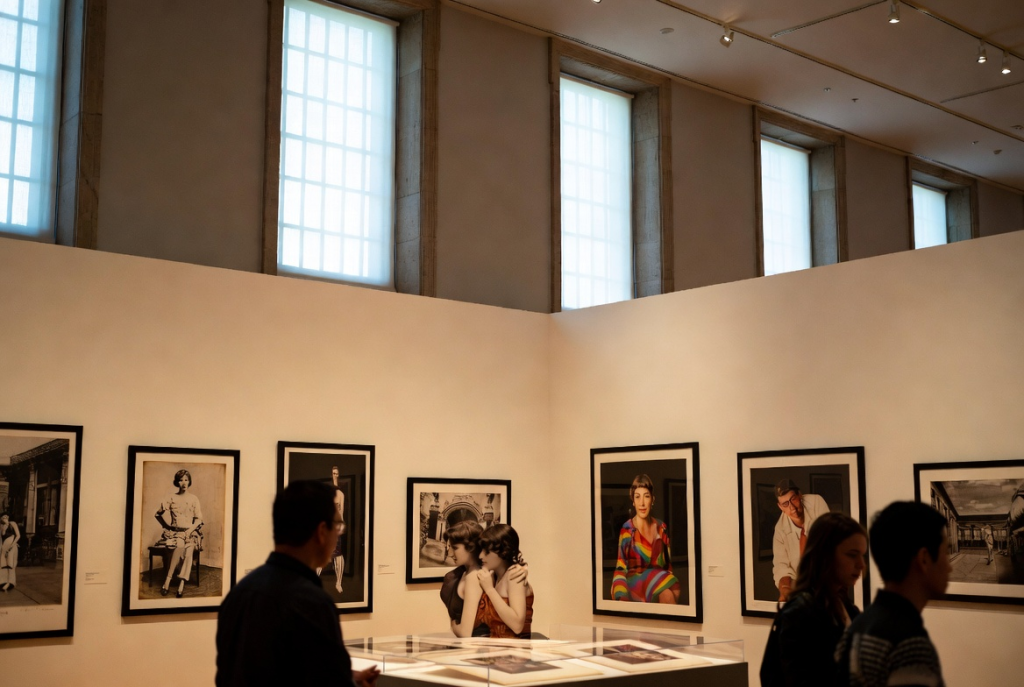
Walking through the galleries at the J. Paul Getty Museum in Los Angeles feels like stepping into a deeply personal family album—one that spans more than 170 years of courage, joy, struggle, and self-expression. The exhibition “Queer Lens: A History of Photography” brings together over 270 images that trace how photography has captured, shaped, and celebrated LGBTQ+ experiences from the 19th century right up to our present moment.
On view from June 17 to September 28, 2025, at the Getty Center, this show does more than display beautiful prints. It reveals how cameras became quiet yet powerful tools for visibility in times when open expression often carried real risk. From tender early portraits of same-sex affection to bold statements during the AIDS crisis and beyond, the images invite visitors to reflect on how much has changed—and how echoes of the past still resonate today.
One of the first pieces that stops many visitors is a delicate 1848 image hinting at a romantic connection between two women. Fast-forward to contemporary works, and you might encounter striking digital or mixed-media pieces exploring modern queer identities, including intimate stories from places like Costa Rica. The contrast highlights both progress and the persistent threads of human connection across eras.
The exhibition thoughtfully weaves in major milestones in LGBTQ+ history without feeling like a textbook. You’ll see references to the emergence of terms like “homosexual,” the lively drag and “pansy craze” scenes of the 1920s and 1930s, the government’s Lavender Scare that targeted gay and lesbian workers, the pivotal Stonewall uprising, and the profound impact of the AIDS epidemic. Alongside these harder chapters, it also shines a light on moments of triumph: the push for marriage equality, growing artistic recognition, and the simple yet radical act of living openly.
Surprising Connections and Enduring Themes
Some of the most fascinating moments come from unexpected historical overlaps. Take Eadweard Muybridge, the pioneering photographer famous for his motion studies of galloping horses. In 1887, he created a sequence showing two women kissing—an image that feels surprisingly intimate and ahead of its time, even if framed originally as scientific observation.
A standout section titled “Friends of Dorothy” turns the gallery into something like a salon-style family portrait wall. Drawing on the coded phrase once used within gay communities (a nod to The Wizard of Oz and its cultural resonance), it gathers over 100 images of notable LGBTQ+ figures alongside those who inspired or supported them. It’s warm, celebratory, and reminds us how chosen family has always been central to queer life.
Eadweard J. Muybridge, “Two Women Kissing” (1887), collotype. A striking early example of intimate same-sex imagery within motion studies.
Throughout the show, certain motifs reappear across decades, showing how universal yet contested certain ideas remain. The human body—often nude and portrayed with tenderness rather than shame—serves as one powerful throughline. In the early 1900s, artists sometimes used classical or biblical references as a subtle cover for homoerotic imagery, such as a 1906 study of a muscular male form. Decades later, lesbian photographer Tee Corinne created solarized and collaged works of women’s bodies in the 1980s, arranging them into vibrant, almost kaleidoscopic patterns that celebrated female pleasure and power.
Gender expression and rule-breaking form another rich thread. Vintage photos capture performers in drag from the 1870s onward, while a haunting 1930s image shows someone smiling defiantly during an arrest for wearing clothing associated with the “wrong” gender. These moments underscore both the playfulness and the peril that have long accompanied stepping outside societal norms.
Self-portraiture emerges as especially moving. Tseng Kwong Chi posed in a Mao suit in front of iconic landmarks, playfully highlighting his sense of otherness. Yasumasa Morimura incorporated his face into traditional Japanese fan imagery as a witty homage to his cultural roots. And then there’s David Wojnarowicz’s raw, unforgettable self-portrait from around 1990—his face partially buried in dirt, created while he was dying from AIDS-related complications. It stands as both personal elegy and furious indictment of societal and governmental neglect during the crisis.
Why “Queer Lens” Matters Now
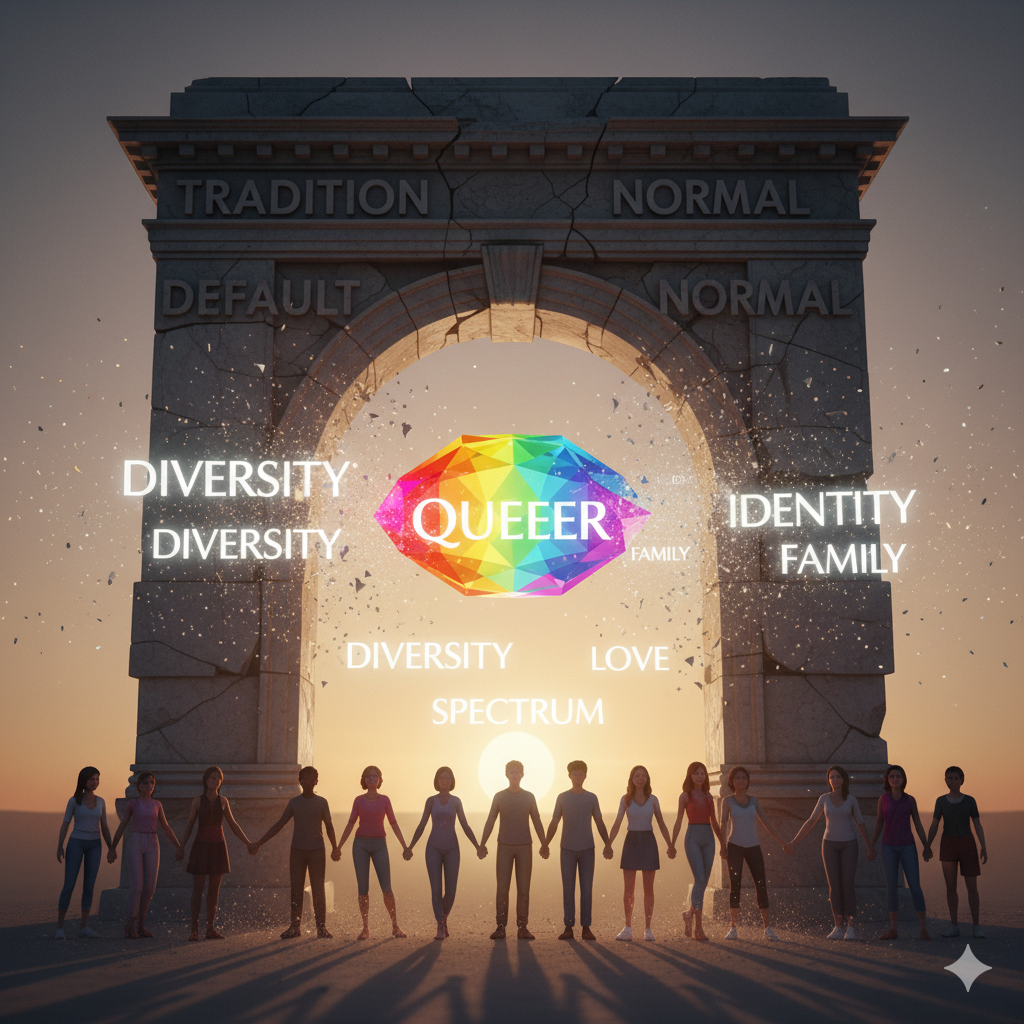
More than a collection of photographs on walls, this exhibition illustrates how queer visibility and pride existed long before the modern movement gave those concepts familiar names. The artists and subjects featured here were often brave innovators who used the camera to affirm their existence, challenge silence, and build community.
Whether you’re deeply familiar with LGBTQ+ history or simply curious about how photography reflects society, “Queer Lens” offers an emotional, thought-provoking journey. It’s free to visit at the Getty Center, and if you’re in Los Angeles this season, it’s well worth carving out time. In a world that still debates identity and belonging, these images remind us that queer stories are human stories—full of resilience, love, humor, and the enduring need to be seen.
Conclusion
“Queer Lens: A History of Photography” doesn’t just document the past; it connects it to the present with honesty and heart. By bringing hidden or suppressed images into the light alongside celebrated works, the Getty has created a space where visitors can appreciate the creativity and courage that have always been part of LGBTQ+ life. It’s a powerful reminder that representation matters, history is layered, and the camera has long been an ally in the fight for dignity and joy.
FAQ
What is the “Queer Lens” exhibition about? It explores more than 170 years of photography’s role in documenting, shaping, and affirming LGBTQ+ identities, gender expression, and sexuality through over 270 works.
When and where is the Queer Lens show at the Getty? It runs from June 17 to September 28, 2025, at the J. Paul Getty Museum at the Getty Center in Los Angeles. Admission is free.
Does the exhibition include famous photographers? Yes. Works by artists such as Eadweard Muybridge, Tee Corinne, Tseng Kwong Chi, Yasumasa Morimura, David Wojnarowicz, and many others are featured, alongside lesser-known voices.
Is the show suitable for all ages? While thoughtful and educational, some images deal with mature themes, including nudity, activism, and the AIDS crisis. It’s best suited for teens and adults, but families can gauge comfort level based on the content.
Are there related events or a companion exhibition? Yes, the Getty is also presenting “$3 Bill: Evidence of Queer Lives” alongside it, with additional programming like talks, film screenings, and performances during the run.
This version flows naturally, highlights key details without stuffing keywords, and provides real value for readers interested in art, history, or cultural exhibits.