For millions, lower back pain is a persistent and unwelcome companion. We stretch, we rest, and we cautiously engage in exercises, yet the nagging ache often remains. The solution, however, may not lie in more effort, but in a smarter, more balanced approach to movement. The secret lies in shifting focus from the exercises we typically favor to a category of movement most people miss: lower-body “pull” exercises.
By embracing these movements, you can awaken the powerful, supportive muscles on the backside of your body, creating a natural corset of strength that stabilizes the spine and offers lasting relief.
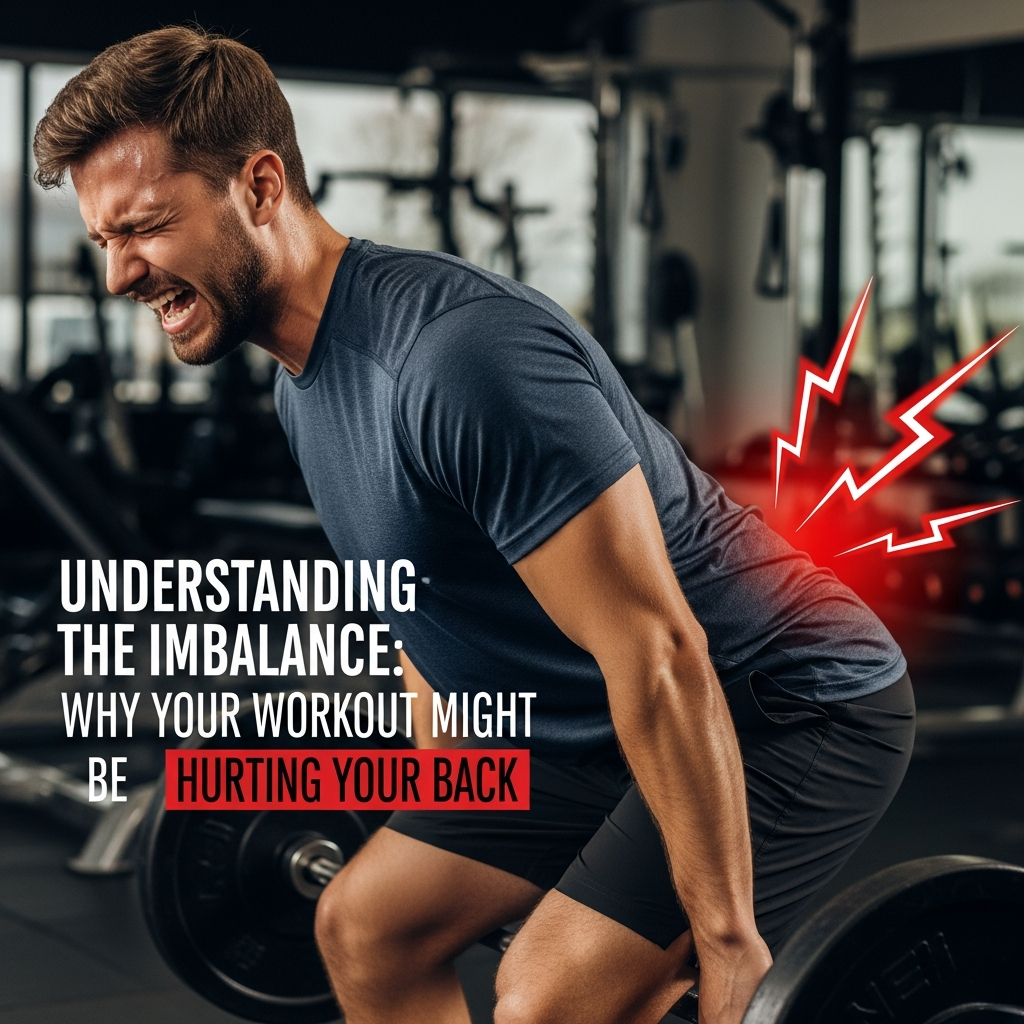
Understanding the Imbalance: Why Your Workout Might Be Hurting Your Back
To grasp this concept, let’s simplify workouts into two basic patterns:
- Push Movements: These exercises involve pushing something away from your body or extending your joints. Think of squats, lunges, and leg presses. They predominantly work the muscles on the front of your body, like your quadriceps.
- Pull Movements: These involve flexing a joint or drawing something toward your body. Examples include deadlifts, hamstring curls, and glute bridges. These movements target the muscles on the back of your body.
While upper-body routines often include a healthy mix of both (like push-ups and rows), lower-body workouts tend to be overwhelmingly “push-dominant.” This creates a muscular imbalance, leaving the critical support structure for your spine—the posterior chain—undertrained and weak.
The Posterior Chain: Your Body’s True Support System
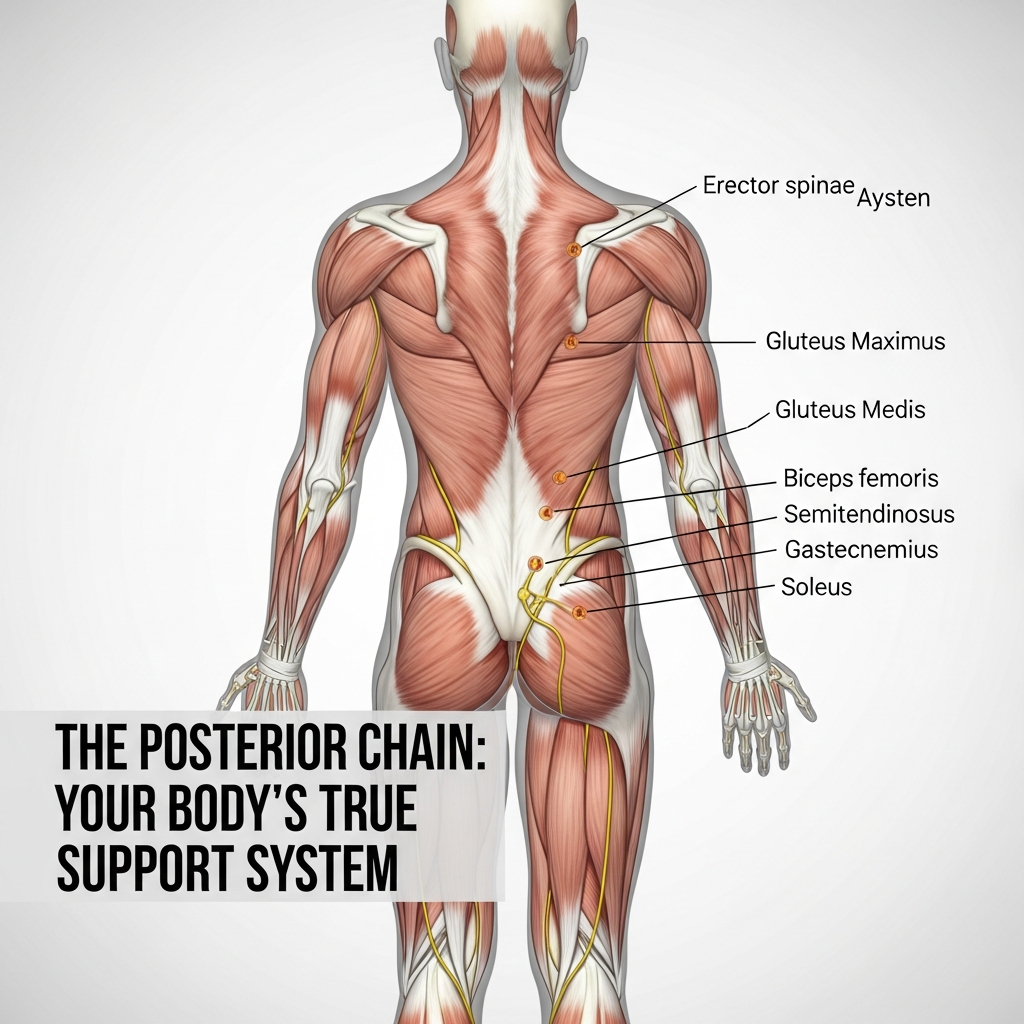
The posterior chain is the group of muscles running along the entire back of your body, primarily including the glutes, hamstrings, and erector spinae (the muscles along your spine).[1][2] These muscles are designed to work together to stabilize the spine, maintain posture, and power movements like bending and lifting.[2]
When the posterior chain is weak, other muscles, particularly in the lower back, are forced to compensate, leading to strain, postural problems, and chronic pain.[3] Research has shown that strengthening these crucial “pull” muscles is a key strategy for managing and preventing low back pain.[2] A strong posterior chain improves spinal alignment, enhances muscle endurance, and reduces the risk of injury.[2]
Rebalance Your Body: 3 Pilates-Inspired Pulls for a Stronger Back
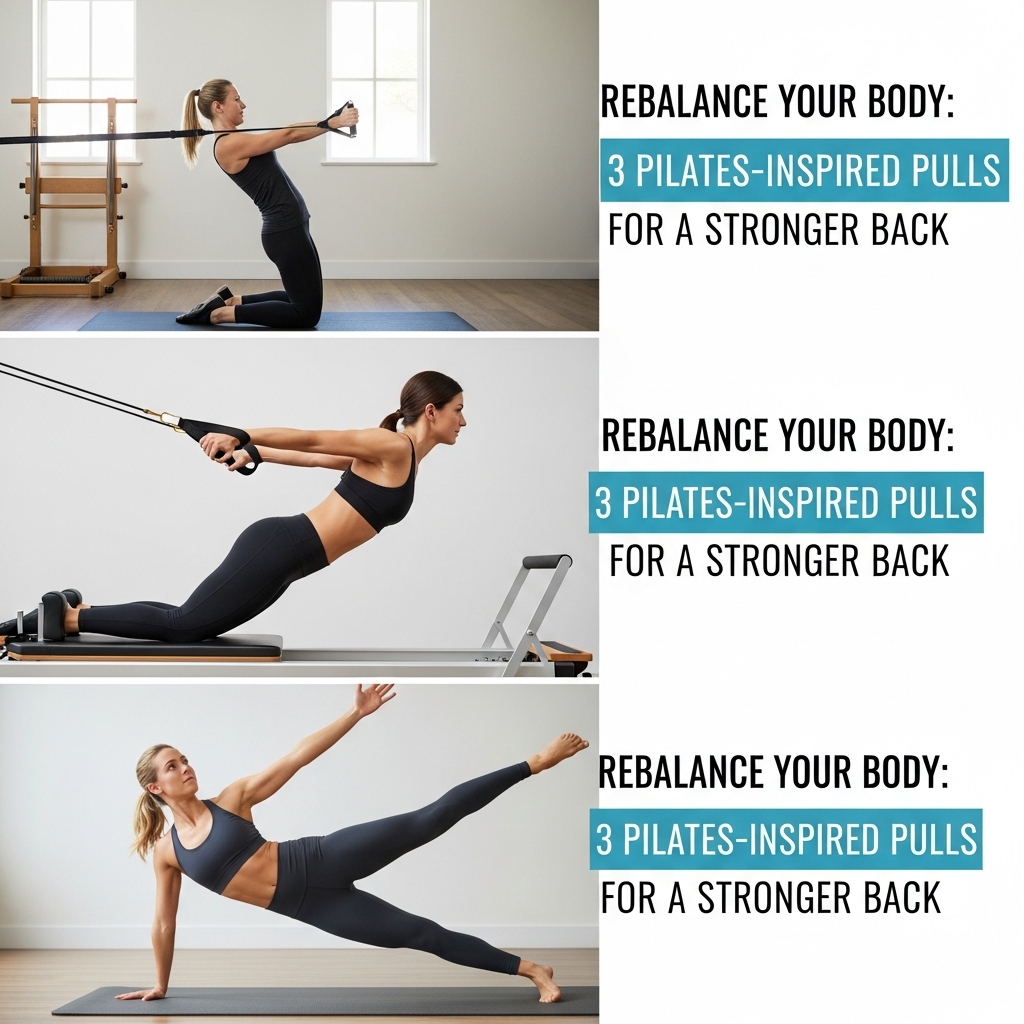
To begin rebalancing your body, you can integrate these effective, Pilates-inspired exercises into your routine. A resistance band can add a challenge, but they are beneficial even with just body weight.
1. The Single Leg Pull (Pilates Style)
This classic Pilates move is excellent for strengthening the core while stretching the hip flexors and back of the leg.[4] The key is to initiate the “pull” from your core and back, not just your arms.[5]
- How to: Lie on your back and loop a resistance band around your feet. Lift your legs to a “tabletop” position, with knees over your hips and shins parallel to the floor. For a core challenge, lift your head and chest off the mat, gazing toward your knees.[6] Extend one leg out to about a 45-degree angle while actively using the band to help pull the other knee in toward your chest. Keep your pelvis stable and avoid rocking side to side.[7] Smoothly switch legs in a controlled motion.
- Reps: 5-6 per side.
2. Bridging with Leg Pull
This exercise is a fantastic way to activate your glutes and challenge the stability of your lumbar spine.[8]
- How to: Lie on your back with the resistance band looped around your feet, knees bent, and feet flat on the floor. Engage your core and lift your hips off the mat, forming a straight line from your shoulders to your knees.[9] Ensure your lower back doesn’t over-arch. While holding this lifted bridge, exhale and slowly pull one knee in towards your chest, working against the band’s resistance. Inhale as you return the foot to the floor with control, keeping your hips level.[10] Switch to the other side.
- Reps: 6-8 per side.
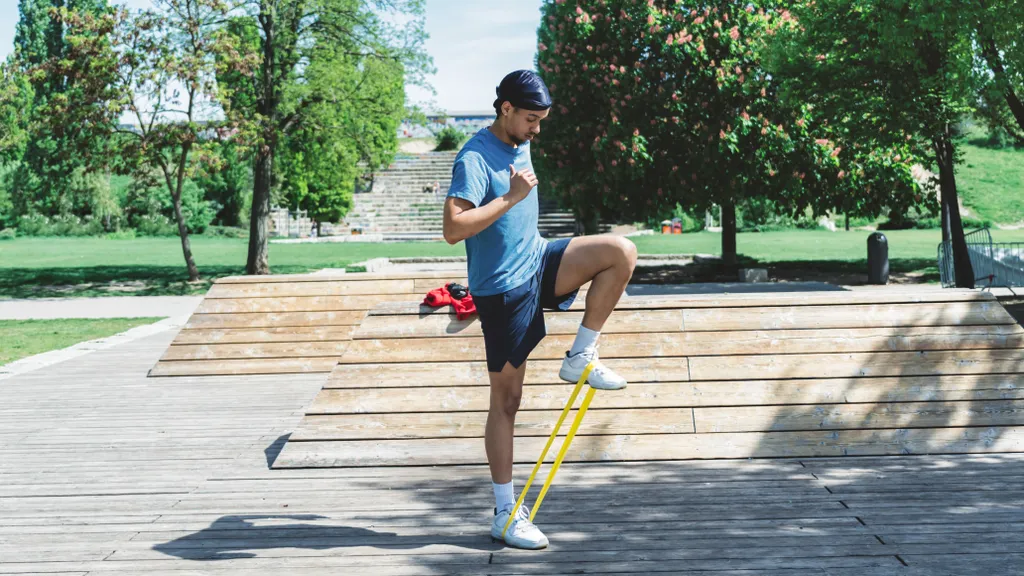
3. Standing Knee Drive
This move improves balance, core strength, and hip flexor control, all of which contribute to a healthier back.[11][12]
- How to: Stand with the resistance band looped around your feet, placing your hands on your hips or behind your head for balance. Engage your core to prevent swaying.[13] Actively drive one knee up toward your chest in a slow, controlled movement.[11] Pause briefly at the top before slowly returning your foot to the floor. Repeat on the other side.
- Reps: 6-8 per side.
Conclusion: Build a More Resilient Back by Pulling Your Weight
That nagging lower back pain is not something you have to live with. The path to relief isn’t about stopping movement, but about restoring balance. By consciously incorporating lower-body “pull” exercises, you target the often-neglected muscles of the posterior chain, building a powerful and natural support system for your spine. This simple shift in focus from pushing to pulling can re-educate your body, correct muscular imbalances, and lay the foundation for a stronger, more resilient, and pain-free back.
Frequently Asked Questions (FAQ)
What is the posterior chain?
The posterior chain refers to the group of muscles on the backside of your body, including the glutes (maximus, medius, and minimus), hamstrings, erector spinae, lats, and calves. These muscles work together to support your spine and power many of your body’s movements.[1]
How do “pull” exercises help with back pain?
Lower-body pull exercises, like deadlifts and glute bridges, directly strengthen the posterior chain. A strong posterior chain provides better support for the spine, improves posture, and reduces the strain on your lower back during daily activities, which can significantly alleviate and prevent pain.[2][14]
Can I do these exercises if I have back pain?
For mild discomfort, gentle exercises like the glute bridge can often provide relief. However, if you have acute, severe, or chronic back pain, it is crucial to consult with a doctor or physical therapist before starting a new exercise program to ensure the movements are safe for your specific condition.
What if I don’t have a resistance band?
All the Pilates-inspired exercises mentioned can be performed effectively using just your body weight. The focus should be on slow, controlled movements and proper muscle engagement.
How often should I perform these exercises?
Incorporating posterior chain exercises into your routine 2-3 times per week is a great goal for building strength. Always allow for adequate rest between sessions to allow your muscles to recover.
Sourceshelp
- healthline.com
- sportsandspinesphysio.com.au
- fitbod.me
- classpass.com
- onlinepilatesclasses.com
- pilatesclub.de
- youtube.com
- humankinetics.me
- verywellfit.com
- physitrack.com
- rjfitnesssolutions.com
- runna.com
- youtube.com
- hss.edu