
For years, the narrative in weight-loss circles has often painted carbohydrates as the enemy, leading many to cast a suspicious eye on even the most natural of sugars found in fruit. This “sugar phobia” has resulted in a widespread avoidance of nature’s candy, with many opting for protein-centric diets that shun these nutritional powerhouses. However, it’s time to re-evaluate our relationship with fruit and understand that not all carbs are created equal. The sugars in fruit are part of a complex package that offers a wealth of health benefits, from disease prevention to weight management.
The fear surrounding the sugar in fruit is a common misconception that dietitians are keen to dispel. Unlike the added sugars found in processed foods and sugary drinks, the natural fructose in fruit is bundled with fiber, water, vitamins, and antioxidants. This combination is crucial as the fiber slows down the absorption of sugar into the bloodstream, preventing the rapid spikes and subsequent crashes in blood sugar levels often associated with other sweets. In fact, studies have shown that increased fruit consumption is linked with greater weight loss over time.
According to the USDA’s MyPlate guidelines, most adults should aim for 1.5 to 2 cups of fruit each day. Shockingly, a vast majority of the population falls short of this recommendation, potentially missing out on vital nutrients and increasing the risk of chronic diseases. Research indicates that a diet rich in fruits and vegetables can lower the risk of heart disease, stroke, and certain types of cancer.[1][2]
Smart Snacking: How to Pair Fruits for Optimal Health
To maximize the benefits of fruit and further stabilize blood sugar levels, consider pairing them with a source of healthy fat or protein.[3][4] This simple yet effective strategy enhances satiety, keeping you feeling full and energized for longer. Here are some delicious and balanced combinations:
- Greek yogurt with a medley of berries: The protein in the yogurt complements the fiber-rich berries for a satisfying and nutrient-dense snack.
- Apple slices with a schmear of almond butter: This classic pairing provides a mix of carbohydrates, protein, and healthy fats for sustained energy.
- Avocado toast topped with sliced strawberries: A trendy and tasty option that combines healthy fats, fiber, and vitamins.
A Colorful Guide to Nutrient-Dense Fruits
Don’t let a higher carbohydrate count in some fruits deter you. When enjoyed in moderation as part of a balanced diet, these fruits offer unique and powerful health benefits. Eating a variety of colored fruits and vegetables ensures you get a wide spectrum of phytonutrients, which are compounds that protect against disease.[5][6][7][8][9]
Dates: Nature’s Caramel
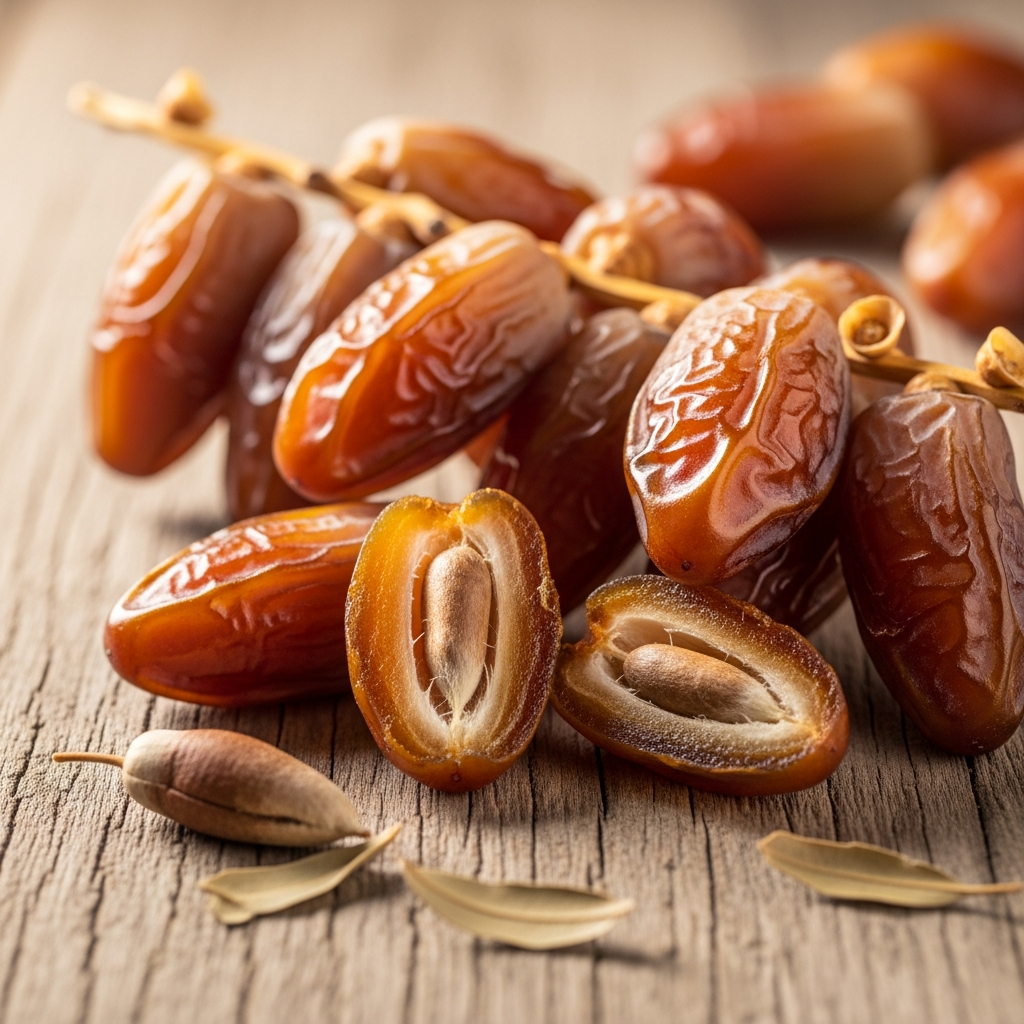
Often referred to as “nature’s candy,” dates are a sweet and chewy fruit packed with polyphenols, beneficial plant compounds with antioxidant properties.[10] They are also a good source of fiber, promoting digestive health, and essential minerals like copper, B vitamins, calcium, iron, and magnesium.[11] Despite their sweetness, dates have a low glycemic index, meaning they don’t cause a dramatic spike in blood sugar.[12]
Bananas: The Pre-Workout Powerhouse

This starchy and sweet fruit is an excellent source of quick energy, making it an ideal pre- or intra-workout snack. Bananas are famously rich in potassium, a crucial mineral for maintaining fluid balance and preventing muscle cramps, making them particularly beneficial for active individuals.[13][14][15][16][17]
Pears: A Fiber-Rich Friend
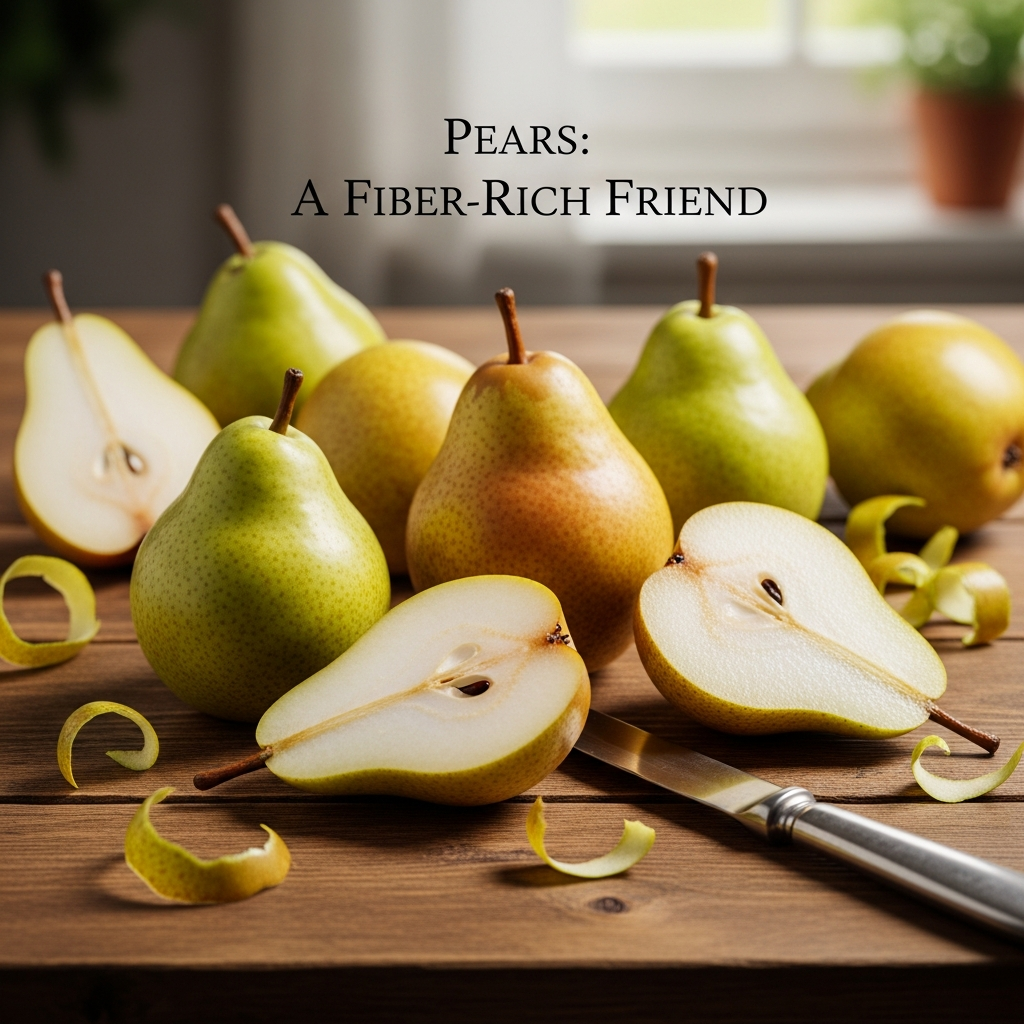
Sweet and juicy, pears are a fantastic source of dietary fiber, which is essential for a healthy digestive system.[13] They also provide a good dose of vitamin C and contribute to your daily hydration needs.
Grapes & Raisins: Antioxidant Jewels
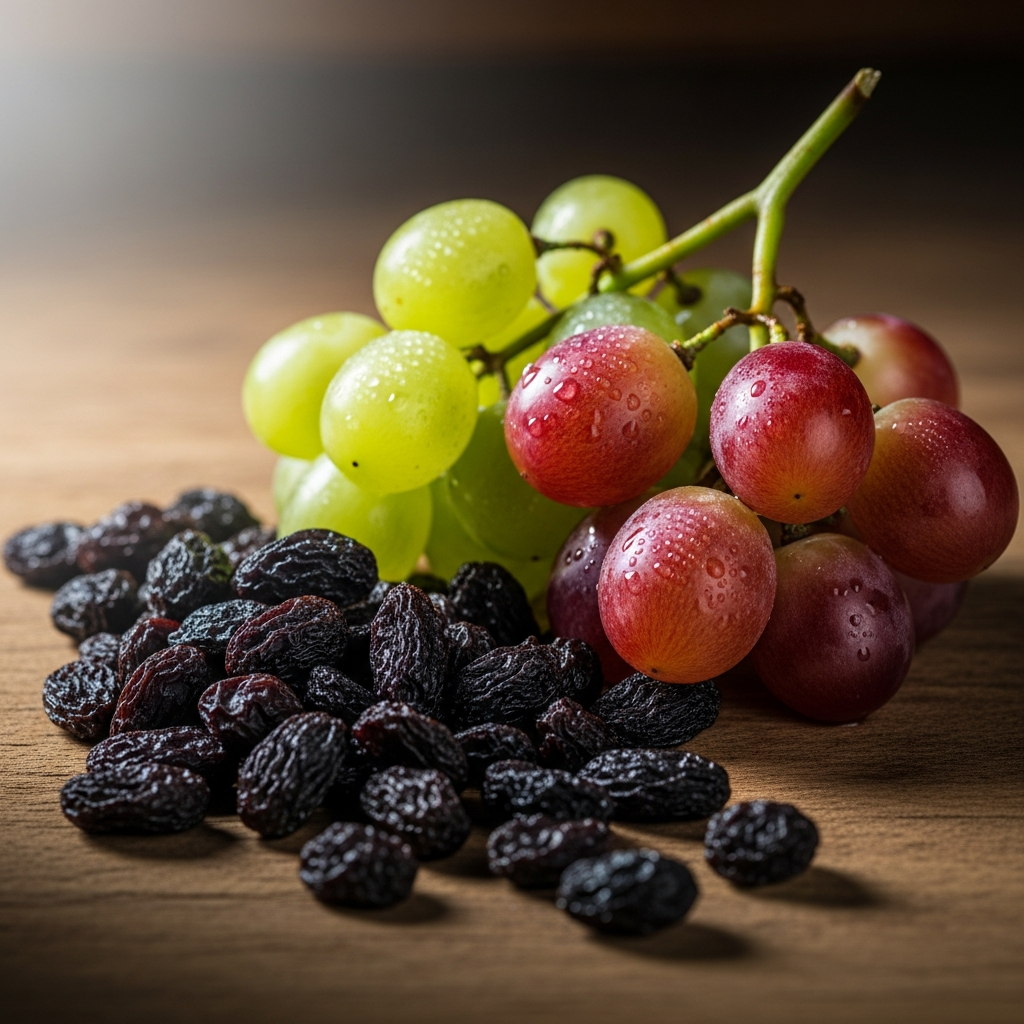
While higher in sugar, grapes and raisins are concentrated sources of antioxidants that combat inflammation and promote cardiovascular health and vibrant skin. Raisins, in particular, are a convenient source of iron and quick energy for workouts.[3]
Mango: Tropical Goodness and Soluble Fiber
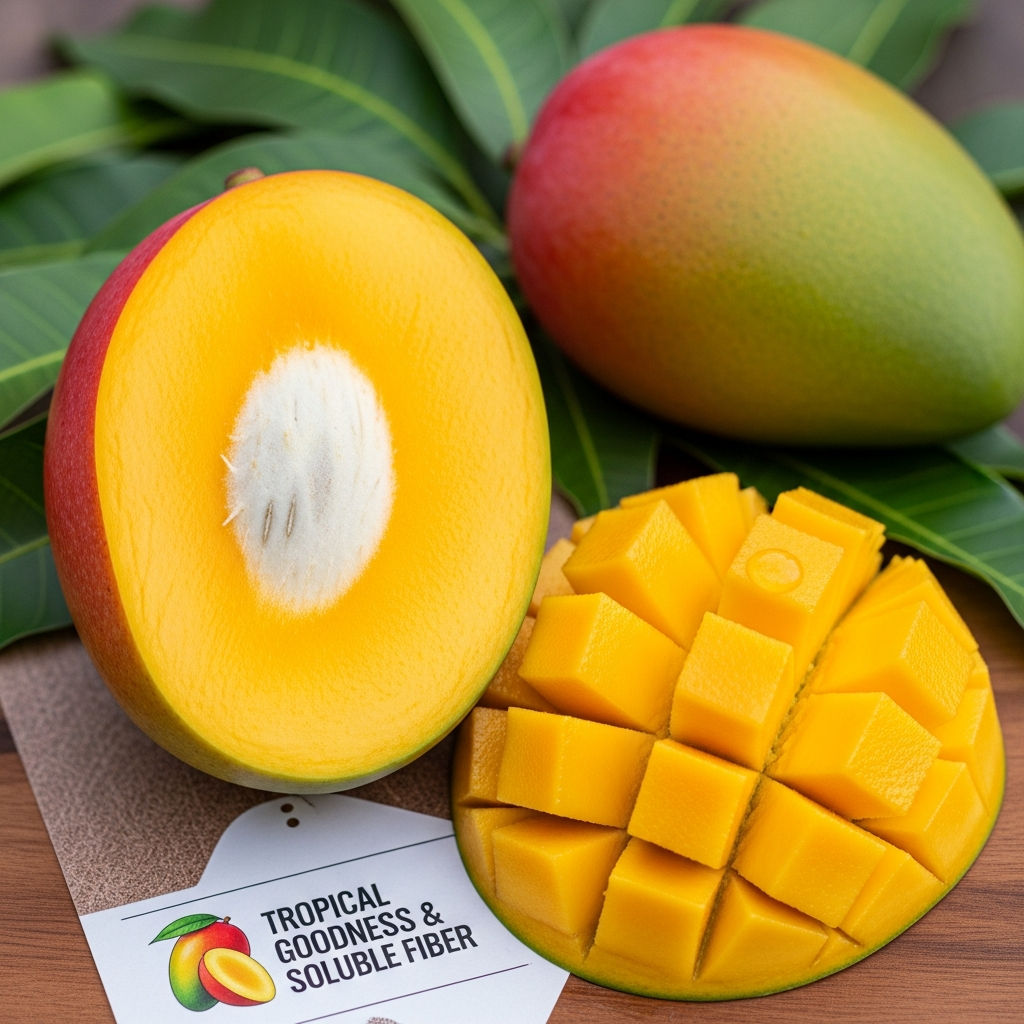
This tropical delight is not only delicious but also rich in vitamins A and C. Mangoes are also an excellent source of soluble fiber, which plays a role in regulating blood sugar and has been shown to help lower LDL (“bad”) cholesterol, reducing the risk of heart disease.[18][19][20][21]
Apples: The Quintessential Healthy Snack
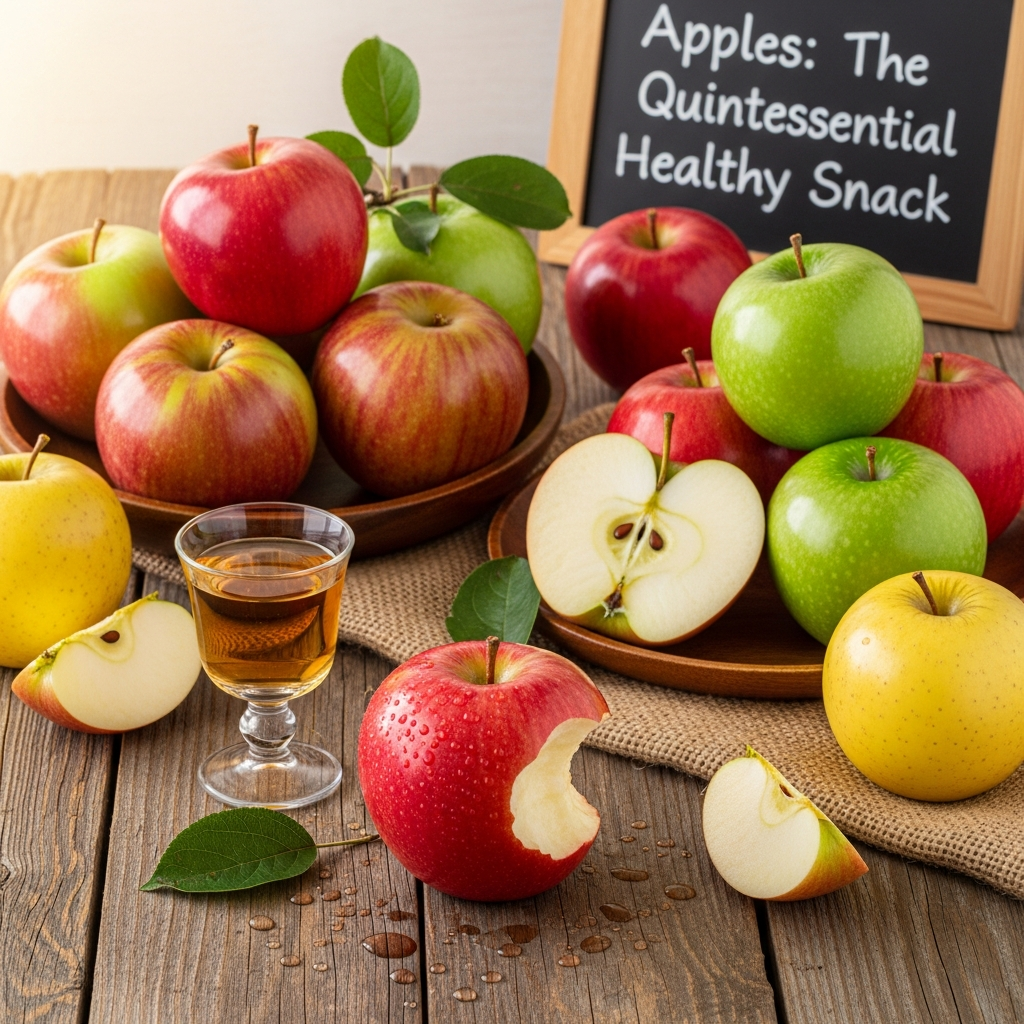
A timeless favorite, apples are nutritious, portable, and hydrating.[3] Low in calories and high in fiber and nutrients, regular consumption of apples has been linked to a reduced risk of certain cancers.[22]
Cherries: Anti-Inflammatory Champions

These vibrant red fruits are packed with vitamin C and powerful antioxidants called anthocyanins.[23][24] Research suggests that the anthocyanins in cherries possess potent anti-inflammatory properties, which may help reduce the risk of chronic diseases and alleviate symptoms of arthritis and gout.[23][25][26][27]
Blueberries: Brain-Boosting Berries
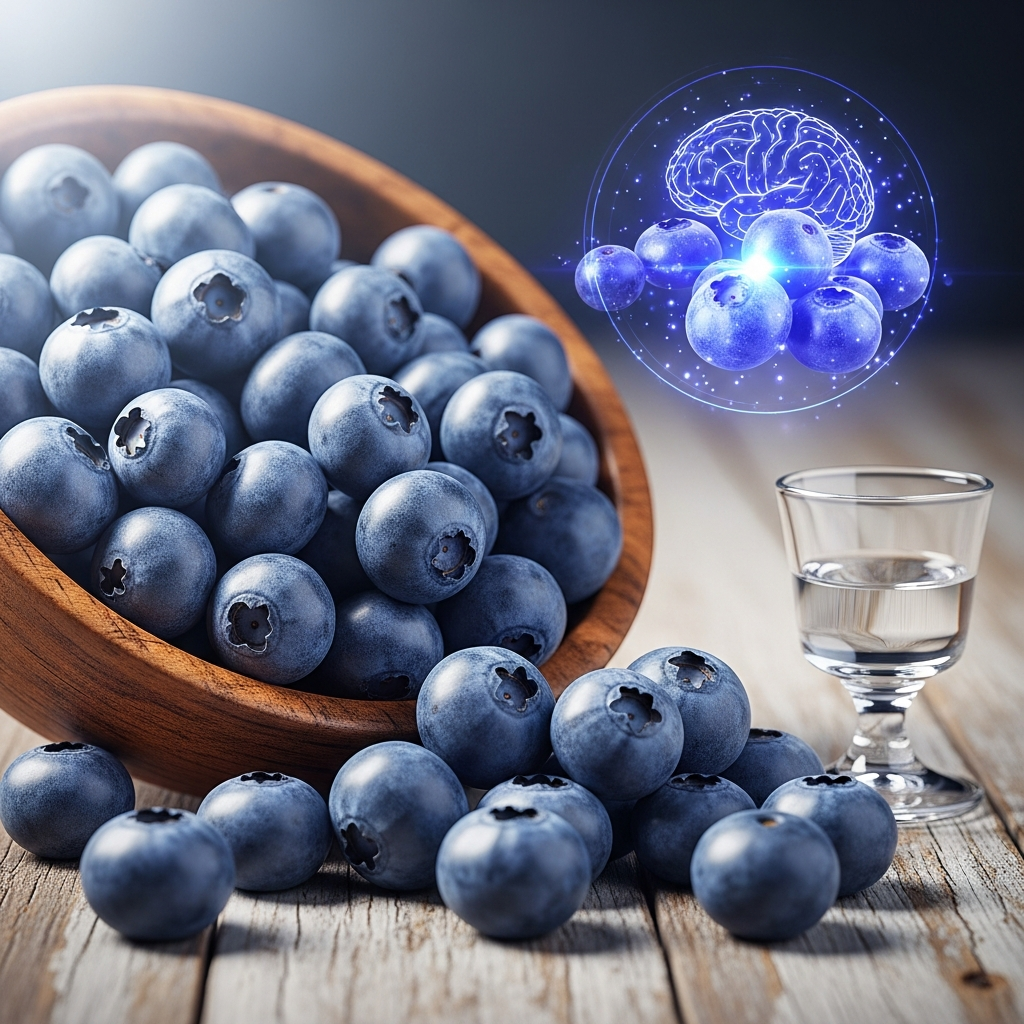
Small in size but mighty in nutritional value, blueberries are renowned for their high antioxidant content. These antioxidants are linked to improved brain health and may help protect against age-related cognitive decline. They also support cardiovascular health by preventing inflammation and plaque buildup in arteries.[27]
Figs: A Mediterranean Delicacy
With their unique jam-like sweetness and satisfying crunch, figs are a staple of the anti-inflammatory and gut-friendly Mediterranean diet. They are a good source of fiber and various essential minerals.[28]
Conclusion: Reclaiming the Sweetness of a Healthy Diet
The fear of carbohydrates has unfortunately led to an unwarranted fear of fruit. It’s time to reclaim the sweet life by understanding the incredible nutritional value that fruits offer. By focusing on whole fruits, practicing mindful portion sizes, and embracing a colorful variety, you can enjoy nature’s intended sweetness as an integral part of a balanced, vibrant, and delicious diet. The wealth of vitamins, minerals, fiber, and antioxidants found in fruits are essential for optimal health and can play a significant role in weight management and disease prevention.
Frequently Asked Questions (FAQ)
1. Will eating fruit make me gain weight?
Quite the opposite. Research has shown that a higher intake of whole fruit is associated with weight loss, not gain.[29] The fiber and water content in fruit helps you feel full, which can lead to a lower overall calorie intake.[30][31]
2. What are the best low-carb fruits?
While all fruits can be part of a healthy diet, some are naturally lower in carbohydrates. These include berries (strawberries, raspberries, blackberries), cantaloupe, and avocados.
3. Is the sugar in fruit the same as the sugar in candy?
No. The sugar in fruit is naturally occurring and is packaged with fiber, water, vitamins, and minerals. This slows down its absorption and provides numerous health benefits. The sugar in candy is added sugar, which provides empty calories and can lead to rapid blood sugar spikes.
4. How much fruit should I eat per day?
The USDA recommends that most adults consume about 1.5 to 2 cups of fruit per day.[1]
5. Are dried fruits and fruit juices healthy?
While dried fruits and 100% fruit juices can be part of a healthy diet, they are more concentrated in sugar and calories than whole fruits. It’s best to consume them in smaller portions. Whole fruit is generally the better choice as it contains more fiber.[32]
Sourceshelp
- utah.gov
- researchgate.net
- womanandhomemagazine.co.za
- hopkinsdiabetesinfo.org
- medium.com
- healthline.com
- thesourcebulkfoods.co.uk
- unl.edu
- mayoclinic.org
- redcliffelabs.com
- everydayhealth.com
- health.com
- bbcgoodfood.com
- americansportandfitness.com
- clevelandclinic.org
- dost.gov.ph
- saga.co.uk
- cymbiotika.com
- ohiohealth.com
- thewarsifarm.com
- webmd.com
- examine.com
- nih.gov
- acs.org
- mdpi.com
- pccmarkets.com
- arthritis.org
- eatingwell.com
- healthline.com
- cdc.gov
- obesitymedicine.org
- thewest.com.au