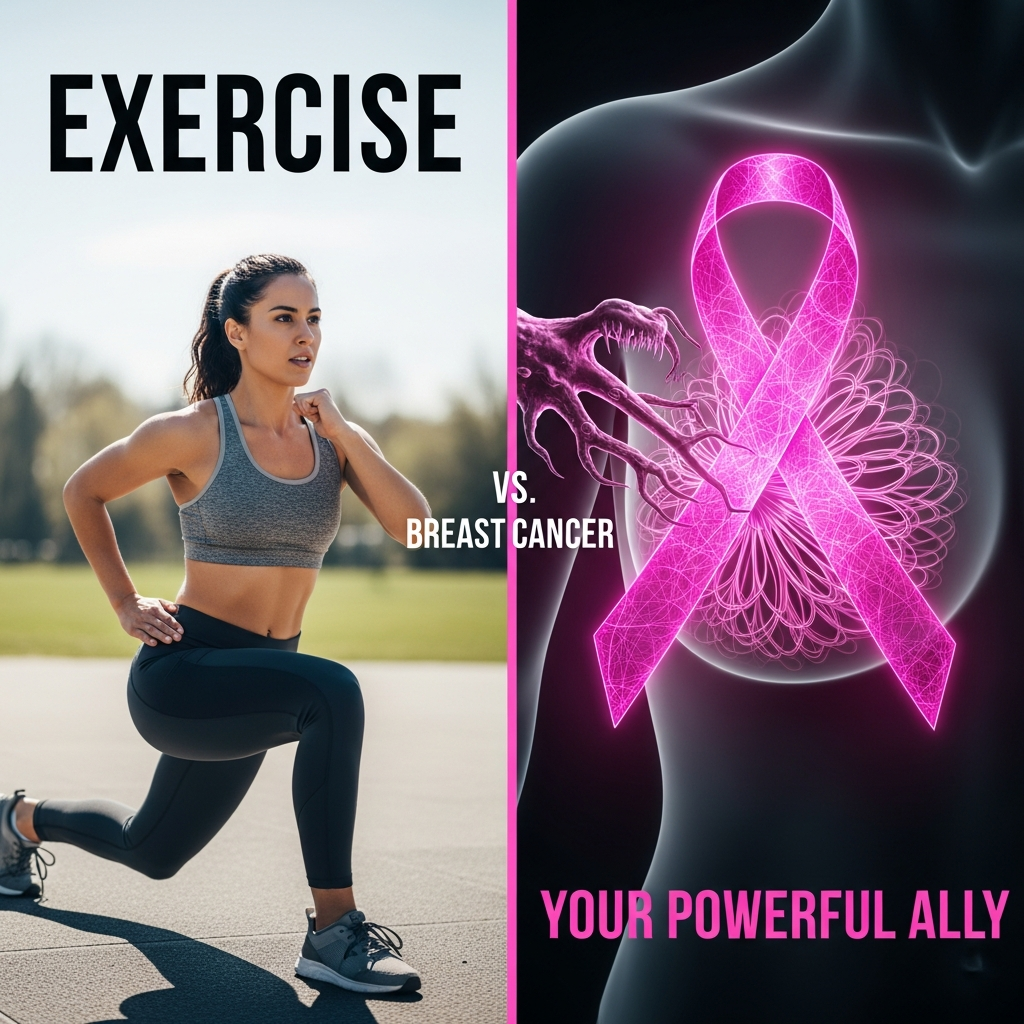
Forget everything you thought you knew about exercise being solely for weight loss or muscle gain. Groundbreaking research is illuminating a powerful new role for physical activity: a potent weapon in the fight against breast cancer. Your body, it turns out, can become its own internal pharmacy, producing cancer-fighting proteins with every sweat session.
Imagine jumpstarting your body’s natural defense system with a brisk 45-minute workout. Whether you’re lifting weights or pushing your limits with high-intensity interval training (HIIT), you’re triggering a surge of “messenger proteins” called myokines into your bloodstream. Scientists are now discovering that these remarkable proteins have the potential to significantly stifle the growth of cancer cells.[1][2]
A compelling study has brought this to light, tracking breast cancer survivors as they participated in either resistance training (think chest presses and squats) or HIIT. The outcomes were nothing short of remarkable. Both forms of exercise led to a significant increase in specific myokines, including decorin, IL-6, and SPARC.[3]
Here’s where it gets even more exciting: when researchers took blood samples rich in these myokines and introduced them to breast cancer cells in a laboratory setting, they witnessed a suppression of tumor growth by as much as 30 percent.
“We’ve demonstrated that both resistance and high-intensity interval exercise can stimulate the production of these anti-cancer myokines in breast cancer survivors,” explains a lead researcher on the study. This groundbreaking work is a powerful motivator to integrate exercise as a standard component of cancer treatment.
Why This Matters in the Fight Against Breast Cancer
For some time, we’ve known that our skeletal muscles release myokines in response to exercise, primarily to aid in muscle growth and fat metabolism. However, the suspicion that these proteins also possessed anti-inflammatory and even anti-tumor properties has long been a subject of scientific curiosity. This recent research provides concrete evidence of this phenomenon in breast cancer survivors.[1][3]
Intriguingly, the study found that even triple-negative breast cancer cells, which are notoriously difficult to treat with hormone therapies, were impacted by these exercise-induced myokines. This suggests that physical activity could offer a valuable tool in combating even the most aggressive forms of breast cancer.
While further research is needed to fully understand the long-term benefits of exercise-induced myokine release and its effect on disease recurrence, these findings add to a growing body of evidence that exercise is far more than just “good for you”—it’s a potential form of therapy.[4][5] Studies have shown that regular physical activity can improve quality of life, reduce fatigue, and may even lower the risk of cancer returning.[4][6][7][8]
More Than Muscle: Building Resilience
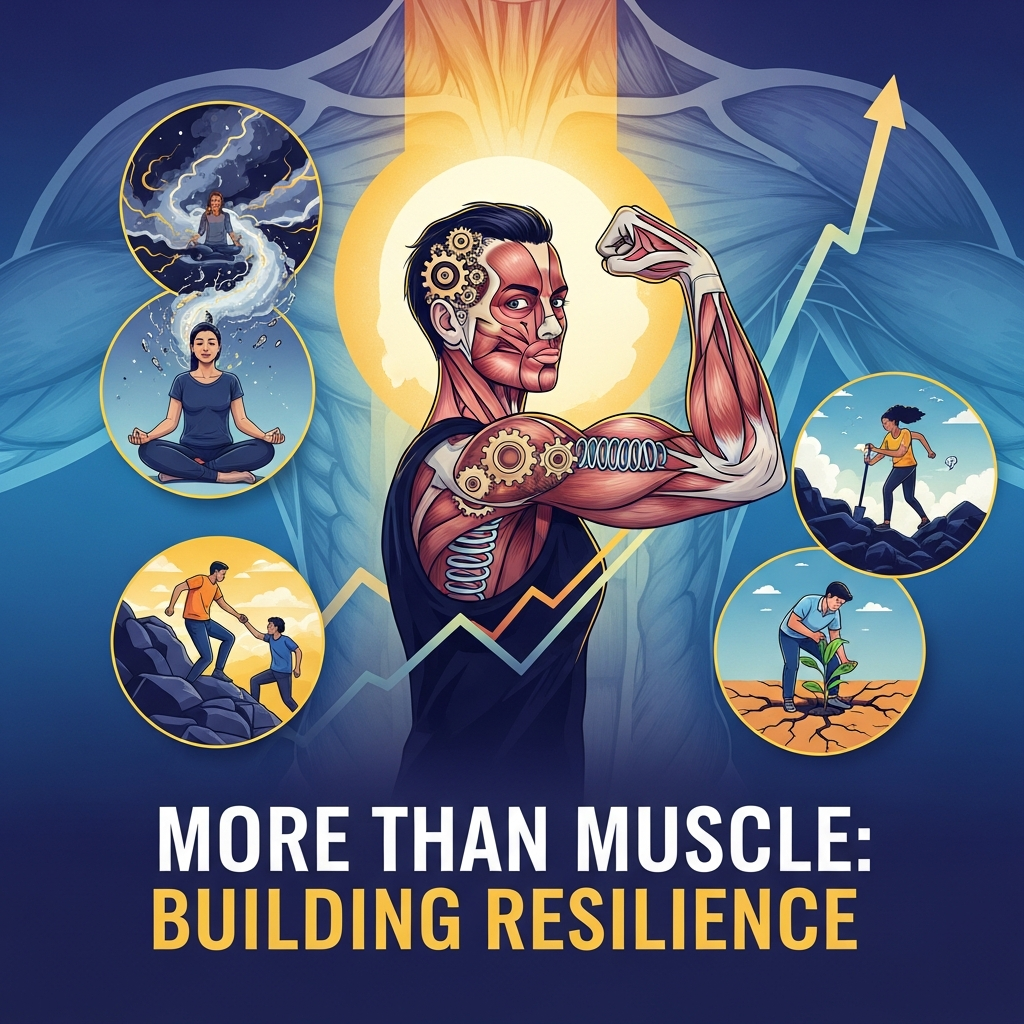
The benefits of incorporating exercise into your life, especially after a breast cancer diagnosis, extend beyond the cellular level. Strength training, for instance, can help rebuild muscle mass and bone density that may have been lost during treatment.[8][9] It can also combat the persistent fatigue that many survivors experience and improve overall mood by triggering the release of endorphins.[8][10]
High-intensity interval training has also been shown to be a safe and effective way to improve cardiovascular fitness in breast cancer patients.[11][12][13] Research indicates that women who participate in supervised exercise programs during adjuvant treatment often experience better cardiovascular function.[14]
The message is clear: when you engage in regular physical activity, you’re not just building a stronger body; you’re actively fueling its cancer-fighting potential. This research serves as a powerful reminder of the control we can exert over our own health and that a commitment to consistent movement can be a transformative step in the journey toward recovery and long-term well-being. Recent long-term data even suggests that a supervised high-intensity exercise program that includes resistance training can significantly reduce the risk of death in breast cancer survivors.[15][16]
Conclusion: Your Proactive Role in Healing
The evidence is mounting and points to an empowering conclusion: exercise is a vital component of a comprehensive approach to breast cancer recovery and prevention of recurrence. The ability of physical activity to unleash a cascade of cancer-suppressing myokines transforms it from a general health recommendation to a targeted, therapeutic tool. Whether it’s the structured intensity of HIIT or the focused power of resistance training, every session is an investment in your body’s innate ability to heal and defend itself. This proactive approach not only offers physical benefits but also a profound sense of agency and control over one’s health journey. Embracing exercise is not just about moving your body; it’s about mobilizing your internal army in the fight against cancer.
Frequently Asked Questions (FAQ)
1. What are myokines and how do they fight cancer?
Myokines are proteins produced and released by muscle cells during exercise.[17] Research suggests that certain myokines can suppress the growth of cancer cells, and in some cases, even induce their death.[1][18][19] They are thought to have anti-inflammatory and anti-tumor properties.
2. What type of exercise is best for breast cancer survivors?
Both resistance training (like lifting weights) and high-intensity interval training (HIIT) have been shown to be effective in increasing cancer-fighting myokines.[3][20] The best exercise regimen is one that is safe, enjoyable, and can be done consistently. It’s crucial to consult with your doctor or a certified cancer exercise specialist to create a personalized plan.
3. Is it safe to exercise during or after breast cancer treatment?
For most individuals, it is safe and highly beneficial to exercise during and after breast cancer treatment.[7][10] However, it is essential to start slowly and listen to your body. A supervised program can help ensure safety and proper technique.[10] Studies have shown a very small number of adverse events in exercise trials for breast cancer patients.[6][7]
4. How soon after a breast cancer diagnosis can I start exercising?
The timing of when to start an exercise program depends on your individual diagnosis, treatment plan, and overall health. It’s vital to have a discussion with your healthcare team to determine a safe and appropriate time to begin.
5. How much exercise is recommended?
While specific recommendations can vary, many studies involve exercise sessions 2-3 times per week. The key is consistency. Even once-a-week supervised resistance training has been shown to improve muscular strength in breast cancer survivors.[21]
6. Can exercise help prevent breast cancer recurrence?
A growing body of evidence suggests that regular physical activity can lower the risk of breast cancer returning.[4][8] Long-term studies have shown that high-intensity exercise combined with resistance training can lead to better disease-free survival.[15]
Sourceshelp
- physiology.org
- washingtonpost.com
- oncodaily.com
- ascopubs.org
- nih.gov
- nih.gov
- cochranelibrary.com
- myhealthcop.com
- fsu.edu
- acefitness.org
- nih.gov
- nih.gov
- outcomes4me.com
- oncnursingnews.com
- breastcancer.org
- oncologynewscentral.com
- youtube.com
- nih.gov
- researchgate.net
- nih.gov
- nih.gov