You’ve got that special gift—the one that lets you spot magic in everyday moments, freeze genuine emotions, and turn ordinary scenes into stunning visuals that stop people in their tracks. But transforming this talent from a hobby into a thriving photography business? It often feels like stepping into unknown territory filled with doubts, endless decisions, and the nagging question, “Where do I even begin?”
The good news? In 2026, the industry is evolving in exciting ways. Trends lean toward authentic, emotion-driven storytelling over perfection, with growing demand in areas like commercial content, boudoir, branding, and narrative portraits. The market is expanding steadily, and photographers who focus on real human connections and smart systems are seeing real success.
This isn’t a stiff, outdated checklist—it’s a practical, step-by-step roadmap tailored for today’s world. We’ll walk through everything you need to launch and grow a sustainable photography business in 2026. Let’s turn your vision into reality, one actionable step at a time.
Step 1: Pinpoint Your Niche—Specialize to Stand Out

Don’t call yourself just a “photographer.” In a crowded field, your niche is what makes clients choose you.
Think about what lights you up, where your skills shine, and what pays well. In 2026, high-growth areas include:
- Boudoir and empowering portraits are booming for personal confidence shoots.
- Commercial and product photography—exploding with e-commerce and brand content needs.
- Wedding, elopement, and documentary-style are still strong for authentic storytelling.
- Branding and lifestyle sessions—perfect for influencers and small businesses.
- Family, newborn, and milestone—steady demand for emotional captures.
Action: List 3-5 niches that excite you. Research top photographers in those spaces. Pick one (or a combo) that aligns with your passion and market demand—this decision shapes everything else.
Step 2: Create a Straightforward Business Plan

Skip the 50-page monster. Keep it simple and focused.
Key elements:
- Mission: Your “why” (e.g., “Capturing raw, joyful stories for couples who want real moments over posed perfection”).
- Niche and ideal client: Be specific (e.g., “Busy professionals in their 30s seeking branding photos that feel genuine”).
- Offerings: Packages, add-ons like albums or prints.
- Goals: Realistic revenue targets and client numbers for year one.
- Startup costs: Gear, website, insurance, marketing.
Treat this as a flexible guide—it’ll grow with you.
Step 3: Set Smart Pricing That Supports Your Life

Pricing scares many beginners, but it’s about value, not just time.
Popular models: package-based (most common for sessions/weddings), hourly, or per-image for commercial.
Quick formula to start:
- Total annual expenses + desired salary = target revenue.
- Divide by realistic shoots per year = base per-shoot price.
- Factor in editing, travel, gear, and taxes.
Research local rates, but charge for your expertise and the full experience. In 2026, clients pay more for authentic, story-rich work—don’t undervalue that.
Step 4: Make It Legal—Choose a Name and Structure

Pick a memorable, brandable name that reflects your style. Check domain availability (e.g., yournamephoto.com) and social handles.
Options:
- Sole proprietorship—Easy start.
- LLC—Better protection, especially as you grow.
Register officially (check your country’s small business resources). Get business insurance early—it’s essential for peace of mind.
Step 5: Organize Your Finances Like a Pro

Separate business and personal money right away.
- Open a dedicated business bank account and credit card.
- Set aside 25-35% of income for taxes (use a high-yield savings).
- Track everything—apps like QuickBooks make it simple.
- Consult an accountant early; it’s worth every penny.
Step 6: Build a Smart Gear Kit (Budget-Friendly for 2026)

Skill beats gear every time. Start solid without overspending.
Essentials:
- Reliable mirrorless camera (full-frame or crop-sensor).
- Versatile lenses (e.g., 35 mm/50 mm prime + 24-70 mm zoom).
- Backup body, batteries, and cards.
- Off-camera lighting and reflector.
- Editing setup: powerful laptop + Lightroom/Photoshop.
Bonus: Use AI tools like Aftershoot or ImagenAI for faster culling and editing—they’re game-changers in 2026 workflows.
Step 7: Craft a Portfolio That Converts

No clients yet? No problem—build proof strategically.
- Offer portfolio-building sessions to aligned friends/family.
- Collaborate on styled shoots with vendors (great for weddings/branding).
- Focus on quality over quantity—show your niche mastery with emotion and narrative.
Your portfolio sells you before you say a word.
(These showcase authentic portrait, wedding, and commercial examples to inspire your own portfolio style.)
Step 8: Launch a Professional Website

Your site is your home base—own it.
Must-haves:
- Clean portfolio gallery.
- About page with your story.
- Pricing/investment details.
- Contact/booking form.
- Blog for SEO (share tips, behind-the-scenes).
Use photographer-friendly platforms like Squarespace or Pixieset.
Step 9: Build a Marketing System That Works on Autopilot

Create a flywheel: Attract → Engage → Delight → Advocate.
- SEO-optimized blog content.
- Lead magnets (e.g., “2026 Posing Guide” for emails).
- Exceptional client experiences for reviews/referrals.
Step 10: Dominate Social Media with Video in 2026

Video rules—Reels, TikToks, Shorts.
Share:
- Behind-the-scenes editing.
- Client stories.
- Tips on authenticity and posing.
Pick 1-2 platforms where your clients are.
Step 11: Streamline Client Experience with Systems
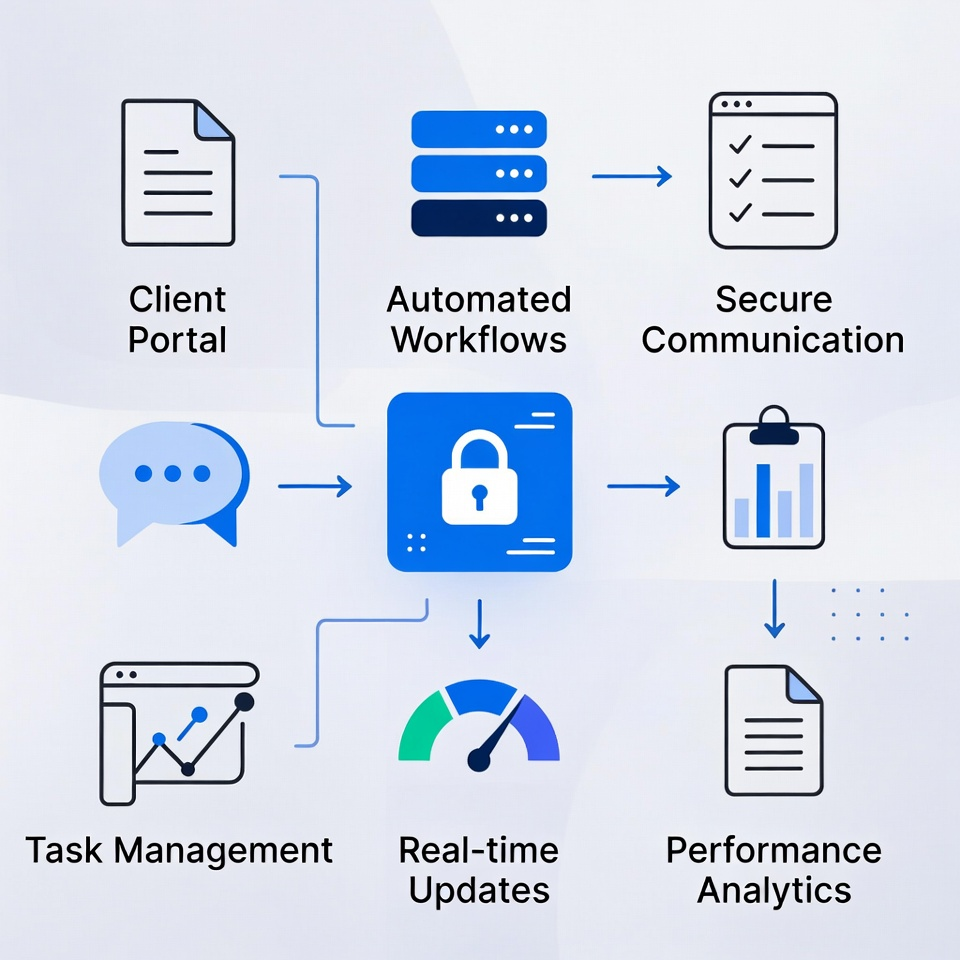
Smooth processes = happy clients + referrals.
Use CRM like HoneyBook or Studio Ninja for contracts, payments, questionnaires, and galleries.
Map the journey: Inquiry → Booking → Prep → Shoot → Delivery → Follow-up.
Step 12: Commit to Lifelong Growth

Stay ahead:
- Courses, workshops, mentors.
- Communities (PPA, local groups).
- Embrace trends like AI tools and authentic storytelling.
Conclusion
Launching a photography business in 2026 is about blending your artistic eye with smart entrepreneurship. It’s not overnight success—it’s consistent action, authentic connections, and adapting to trends like raw emotion and narrative depth.
Start small: Pick one step today. Your unique perspective deserves to be shared—and paid for. The journey will have ups and downs, but with this foundation, you’re building something lasting.
What’s your first move? Drop it in the comments—I’d love to cheer you on!
FAQ
Is starting a photography business still worth it in 2026? Yes! The market is growing steadily (projected to hit $81+ billion globally by 2032), especially in authentic, niche-focused work. Specialize, use modern tools like AI editing, and focus on client relationships to thrive.
How much money can a beginner photographer make? It varies—many start part-time and scale to $50k–$100k+ annually. Weddings and commercials often pay the highest, but build with realistic goals and smart pricing.
Do I need expensive gear to start? No. Reliable mid-range equipment plus backups matter more than top-tier. Invest in skills and software first.
What’s the biggest mistake new photographers make? Undervaluing their work or trying to serve everyone. Niching down and pricing for profit early prevents burnout.
How important are social media and video for photographers in 2026? Critical. Short-form video builds trust and visibility fast—algorithms favor it, and clients love seeing personality.
How can I make my photography stand out in 2026? Embrace authenticity over perfection. Tell stories, capture real emotions, and use trends like narrative-driven images to connect deeply.