




Bite-Sized Business: How Restaurants Are Adapting Menus in the Age of Appetite Suppressants
The Restaurant Industry Faces a New Appetite Reality

The restaurant world is evolving rapidly—and not just because of changing food trends or rising costs. A growing number of diners are now using GLP-1 weight-loss medications such as Ozempic, Wegovy, and Zepbound, which significantly reduce appetite. As a result, restaurants are rethinking portion sizes, pricing, and menu structure to stay relevant.
Welcome to the era of bite-sized dining, where less food doesn’t mean less satisfaction—it means smarter choices.
The Rise of the “Ozempic Menu”

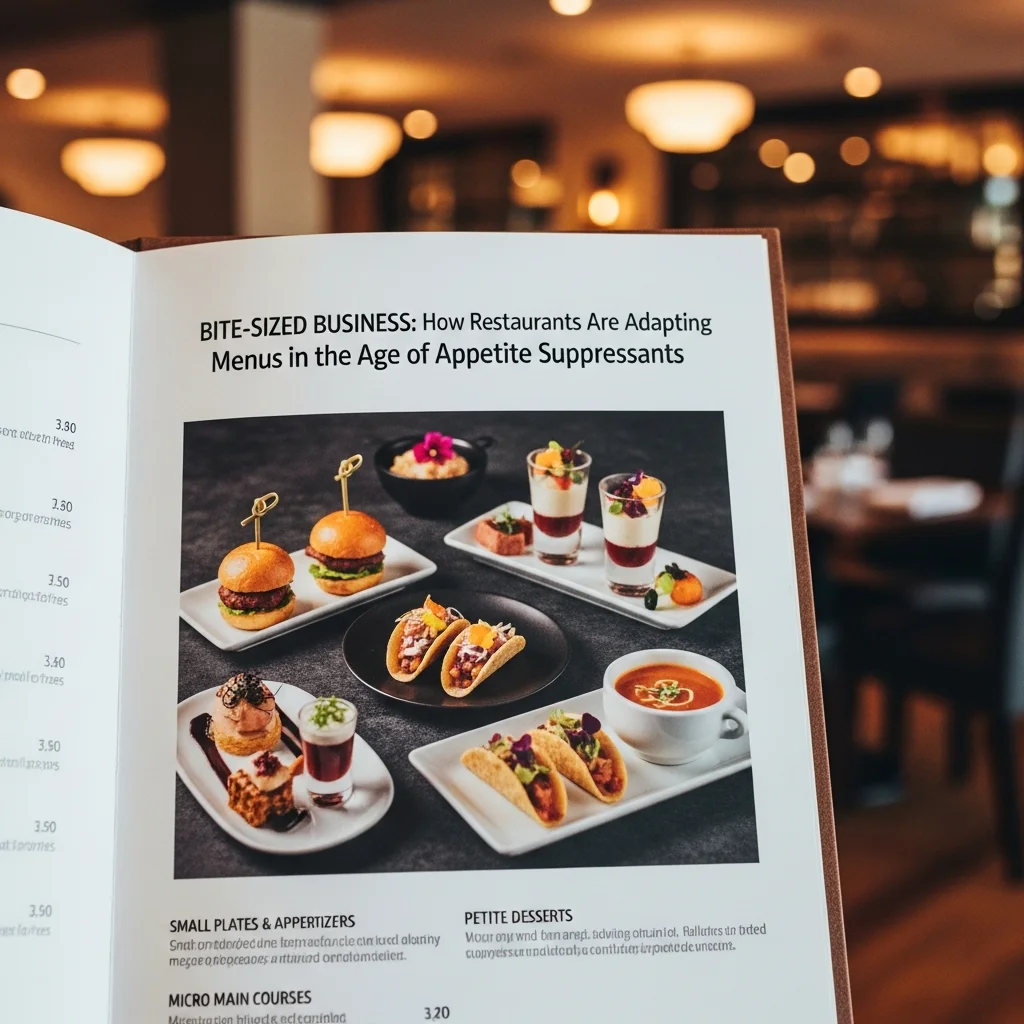
Rather than traditional full plates, many restaurants are now introducing smaller, customizable menu options often informally called “Ozempic menus.” These offerings cater to diners who feel full much faster and prefer controlled portions.
Key features include:
- Mini meals and half portions
- Single-item or à la carte selections
- Small plates designed for light appetites
This approach allows customers to enjoy dining out without feeling overwhelmed or wasteful.
How Restaurants Are Making the Shift
Casual Dining Goes Small

In New York City, popular burger and beer spots are downsizing their classics. For example, some venues now offer mini burgers paired with a small serving of fries and a drink—priced lower than standard combos. These meals attract both GLP-1 users and budget-conscious diners.
Restaurant marketers report that these options are intentional, not accidental, aimed at welcoming a growing demographic that still wants to enjoy social dining—just in moderation.
Fine Dining Embraces Flexible Portions

Even upscale restaurants are adjusting. Italian eateries, for instance, now offer single or small-batch servings of signature dishes, such as gourmet meatballs or pasta tastings. This allows guests to savor premium flavors without committing to large portions.
Some chefs even embrace the trend humorously, labeling these lighter options as part of an “Ozempic-friendly” menu.
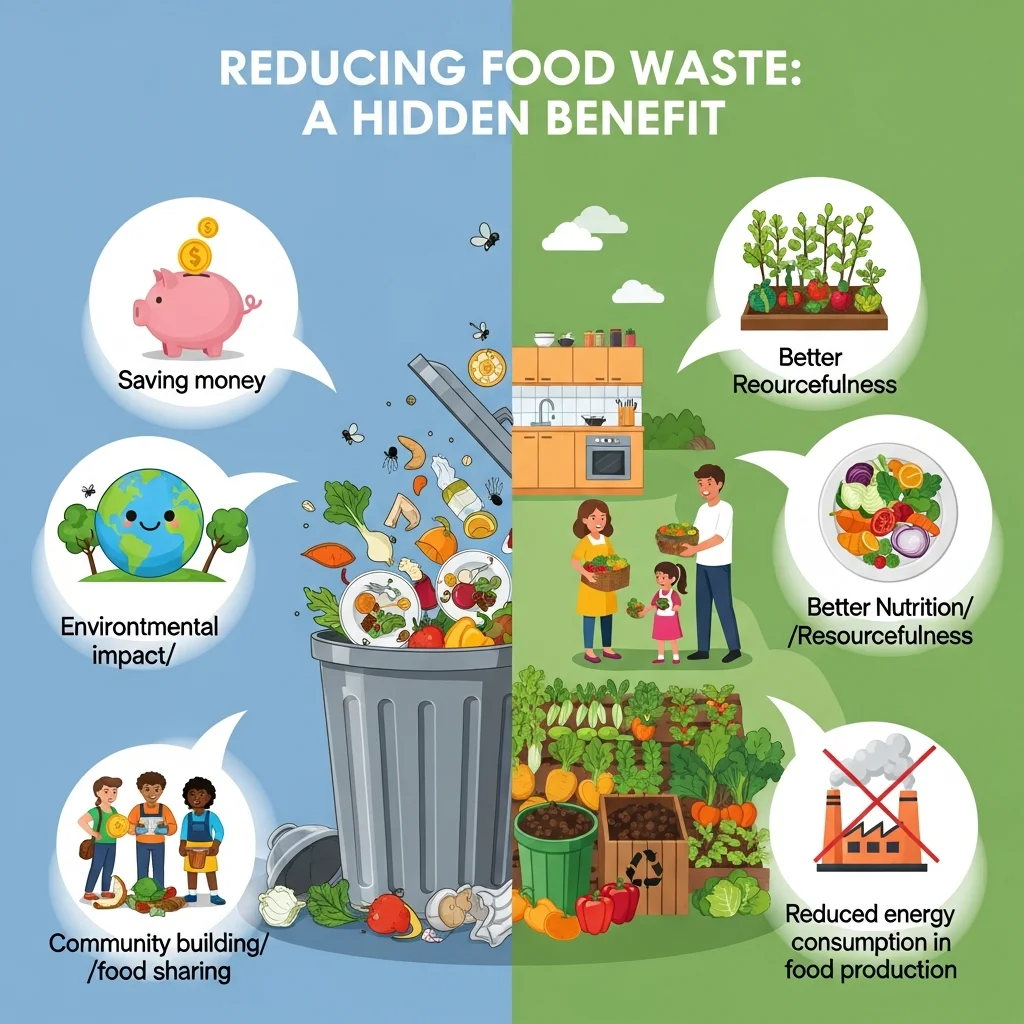
Reducing Food Waste: A Hidden Benefit

Smaller portions aren’t just good for diners—they’re good for the planet.
Recent industry reports estimate that up to 40% of restaurant food is wasted. By offering manageable serving sizes:
- Restaurants cut down on food waste
- Operational costs decrease
- Customers feel better about what they order
It’s a sustainable solution that benefits everyone involved.
A Trend That Goes Beyond Weight-Loss Drugs

Interestingly, this shift aligns with broader dining habits, especially among younger adults. Many people aged 25–35 now prefer:
- Snacking throughout the day
- Sharing plates with friends
- Flexible, non-traditional meal times
Small-plate menus appeal not only to GLP-1 users but also to a generation that values mindful eating, variety, and affordability.
Is This the Future of Dining?

Industry insiders believe this is not a passing trend. Restaurants across the country are planning to expand their small-bite offerings, suggesting that portion-conscious menus are here to stay.
The future of dining out appears to be less about oversized plates and more about:
- Thoughtful portions
- Flavor-focused experiences
- Health-aware and budget-friendly choices
It’s a quiet revolution—one small bite at a time.
Conclusion
The rise of appetite-suppressing medications has sparked a meaningful transformation in the restaurant industry. By offering smaller portions, flexible pricing, and customizable menus, restaurants are adapting to modern diners without sacrificing quality or experience.
Whether driven by health goals, sustainability, or lifestyle changes, bite-sized dining is reshaping how we eat out—and it’s proving that sometimes, less really is more.
Frequently Asked Questions (FAQ)
What is an “Ozempic menu”?
An Ozempic menu refers to smaller-portion or mini meal options designed for diners with reduced appetites, often due to GLP-1 weight-loss medications.
Are these menus only for people on weight-loss drugs?
No. While inspired by GLP-1 users, these menus appeal to anyone who prefers lighter meals, wants to reduce food waste, or enjoys flexible dining options.
Do smaller portions cost less?
In many cases, yes. Restaurants often price mini meals or à la carte items lower than full-size entrees.
Is this trend limited to the U.S.?
Currently, it’s most visible in the U.S., but similar portion-conscious dining trends are emerging globally.
Will traditional large portions disappear?
Unlikely. Most restaurants aim to offer both full-size and smaller options to cater to a wider audience.

Health & Wellness Writer | Research-Informed Health Content Creator
A.K.M. Monjurul Hoque is a health and wellness writer specializing in health, beauty, fitness, nutrition and healthy living. His content is informed by health journals, books, seminars, training programs, and discussions with experienced healthcare professionals. He writes clear, practical and research-informed articles for general education and encourages readers to seek personalized advice from qualified medical professionals.