


Five Minutes of Movement a Day Can Actually Sharpen Your Brain. Here’s the Research.
Most people assume that meaningful exercise requires meaningful time. An hour at the gym. A long run. A dedicated class with a structured programme. Anything less feels like it barely counts.
But a study from the University of South Australia and AdventHealth Research Institute suggests something worth paying attention to: five minutes of moderate to vigorous movement per day produced measurable improvements in brain function in adults aged 65 to 80. Not marginal improvements. Measurable ones — in memory, attention, and processing speed.
That’s a remarkably small time commitment for a genuinely significant outcome. Here’s what the research found, why it works, and what five minutes of daily movement actually looks like in practice.

What the Study Actually Found
The research followed 585 healthy adults in the 65 to 80 age group over time, measuring cognitive performance against daily physical activity patterns. The finding that emerged was clear: people who did at least five minutes of moderate to vigorous movement every day showed better results in three specific areas compared to those who moved less.
Information processing speed — how quickly the brain takes in and acts on new information. This is one of the cognitive functions that typically slows most noticeably with age.
Attention and multitasking — the ability to focus on something specific while managing other demands. Practically, this is what allows you to follow a conversation in a noisy room, or manage several things at once without losing track.
Short-term memory — the working memory that holds information for immediate use. Names you just heard, where you put something down, what you were about to do.
These aren’t abstract measures. They’re the cognitive functions that shape day-to-day quality of life as people get older. And five minutes of daily movement was enough to produce meaningful differences in all three.
The lead researcher, Madison Melo, made the point simply: “The biggest leaps in brain function occur when you do nothing but move.” The consistency of showing up daily matters more than the length of any individual session.
Why Five Minutes Is Enough
The mechanism behind exercise’s effect on the brain is well established. When you move at a pace that elevates your heart rate, blood flow to the brain increases. This delivers more oxygen and glucose to neurons and supports the release of brain-derived neurotrophic factor — BDNF — a protein sometimes described as “fertiliser for the brain” that promotes the growth, maintenance, and connection of neurons.
These physiological responses happen quickly. You don’t need to exercise for 45 minutes before your brain starts responding — the changes begin within minutes of elevated cardiovascular activity. What five minutes daily does is create a regular, consistent trigger for these responses rather than a sporadic one.
The study also made a distinction between moderate and vigorous activity that’s worth understanding.
Moderate activity means you’re working hard enough to notice it, but you can still hold a conversation if someone starts talking to you. A brisk walk where you feel slightly breathless falls here.
Vigorous activity means breathing is noticeably harder and sustaining a conversation would be difficult. Jogging, swimming laps, or cycling uphill sits in this category.
Both produce cognitive benefits. The research doesn’t demand vigorous exercise — it just requires that the activity actually elevates your heart rate rather than remaining genuinely light.

Five Exercises Worth Trying
None of these require equipment, gym membership, or a significant time commitment. Each takes five minutes and can be done in or near your home.
Brisk Walking
The most straightforward option. Step outside, walk at a pace where you can feel your heart rate rising but could still speak in short sentences if needed, and keep going for five minutes. That’s the whole thing.
Walking is the most studied of all the exercises on this list for cognitive benefit. It’s accessible for almost everyone, free, and requires no learning curve. If you’re starting from a very low activity baseline, this is the obvious first choice.
Swimming
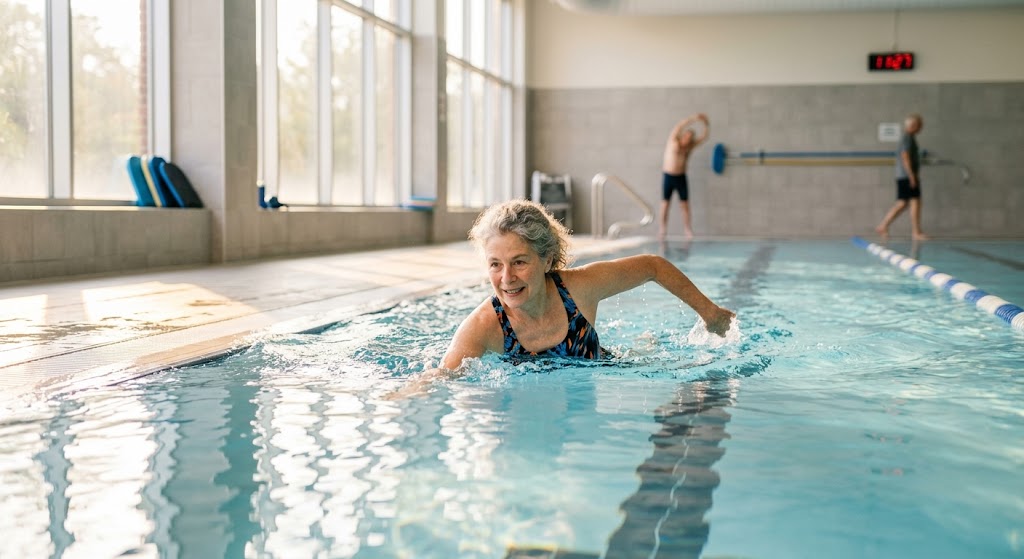
Higher intensity than walking, but gentle on the joints — which makes it particularly good for anyone with arthritis or knee problems. Swimming also involves a degree of coordination and breath management that engages additional brain regions compared to walking. If you have access to a pool, five minutes of laps at a purposeful pace is a solid option.
Cycling
Stationary bikes remove the traffic and weather variables while delivering the same cardiovascular benefit. Outdoor cycling adds balance demands and spatial awareness — navigating a route engages the brain differently than a stationary bike does. Either version works for the five-minute target.
Resistance Exercises
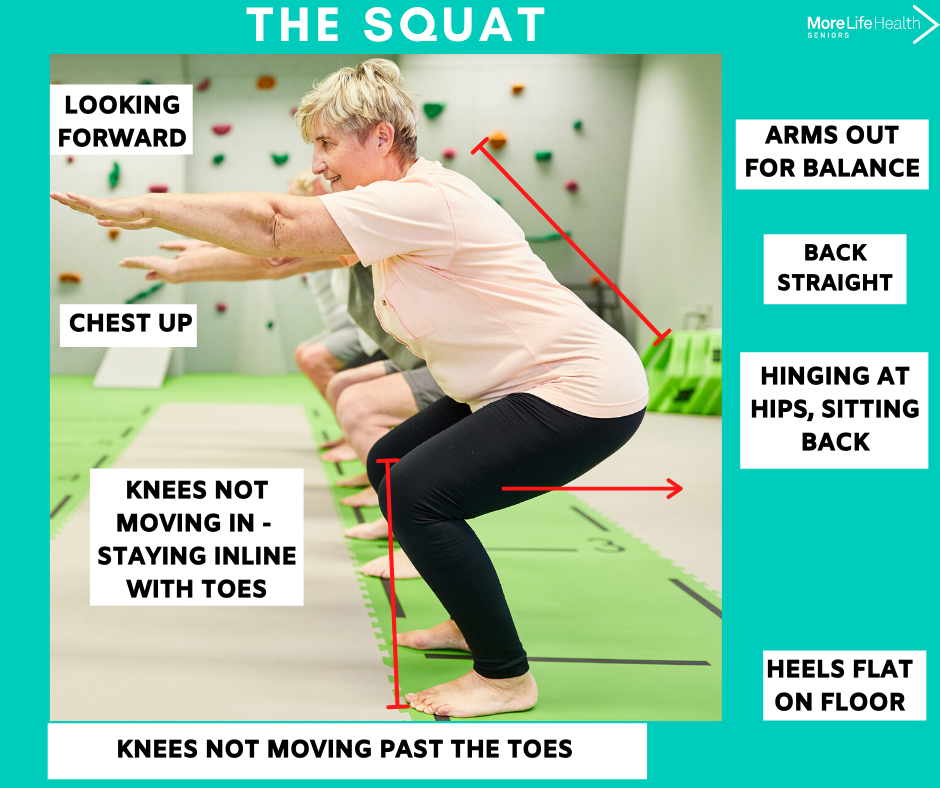
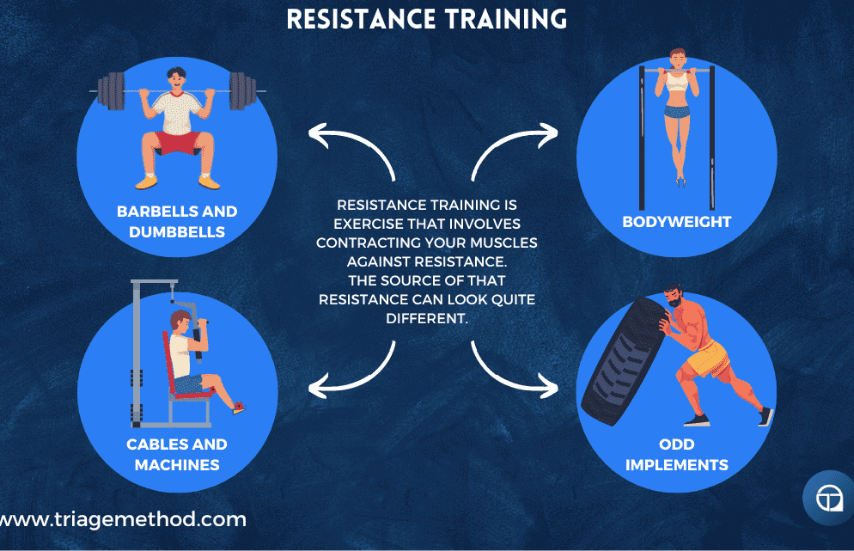
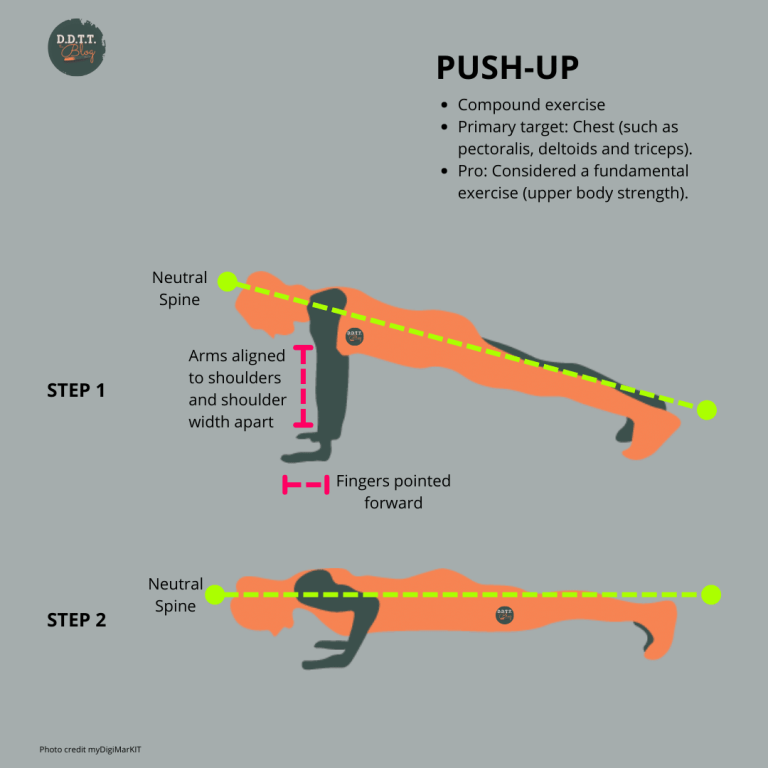
Bodyweight squats, light kettlebell swings, or simple resistance band exercises combine physical effort with coordination and motor planning demands — meaning the brain is working alongside the body rather than simply responding to cardiovascular stimulus. For people who find walking too easy but want something that doesn’t require outdoor access, a few minutes of structured movement at home works well.
Gardening or Vigorous Housework
This one surprises people, but the evidence is straightforward: if the activity elevates your heart rate, it counts. Mopping floors energetically, digging in the garden, vacuuming with effort — these are real physical activities that produce real physiological responses. If you’re already doing these things regularly, you may already be getting more cognitive benefit than you realise.
The Consistency Principle
The finding from this research isn’t “five minutes is the magic number.” It’s that daily consistency at a modest level outperforms sporadic longer sessions for cognitive benefit.
This matters because it changes the mental model around exercise and brain health. You’re not trying to find 45 minutes three times a week. You’re trying to do something — anything that gets your heart rate up — for five minutes every single day. That’s a much lower barrier, and a much more sustainable habit.
For many people over 60, the reason they don’t exercise isn’t inability — it’s the sense that anything less than a proper session doesn’t count. That framing is inaccurate and, it turns out, counterproductive. Five minutes counts. Five minutes every day counts a lot.
Conclusion
The research from the University of South Australia and AdventHealth Research Institute doesn’t promise to reverse cognitive decline or prevent dementia. What it shows is something more practical: consistent daily movement of even short duration produces measurable improvements in the specific cognitive functions — processing speed, attention, short-term memory — that matter most for quality of life as people age.
Five minutes is a low bar by any measure. A brisk walk around the block. Five minutes on a stationary bike. A short gardening session with real effort. Any of these, done daily, appears to produce genuine cognitive benefit over time.
The simplest summary: your brain responds to movement, and it doesn’t need much of it to start responding. Daily is more important than long.
Disclaimer
This article is for general informational and educational purposes only and does not constitute medical advice, diagnosis, or treatment. The research described reflects findings from a specific study and should not be interpreted as a guarantee of cognitive improvement for any individual. Cognitive decline and dementia have multiple contributing factors beyond physical activity levels. Before starting a new exercise programme — particularly if you have cardiovascular conditions, joint problems, balance issues, or other health concerns — consult a qualified healthcare provider. The exercises described are general suggestions and not a substitute for personalised guidance from a healthcare professional or qualified fitness instructor. Stop any activity that causes pain, dizziness, chest discomfort, or shortness of breath and seek medical advice.
FAQ
Can five minutes of exercise really make a difference to brain health?
Based on the University of South Australia and AdventHealth Research Institute study published in Age and Ageing, yes — measurably. Adults aged 65 to 80 who engaged in at least five minutes of moderate to vigorous movement daily showed significant improvements in information processing speed, attention and multitasking, and short-term memory compared to those who were less consistently active. The key mechanism involves increased cerebral blood flow and neurological adaptations that begin during and immediately after exercise.
What counts as moderate versus vigorous exercise?
Moderate exercise is activity that raises your heart rate and makes you breathe a little harder, but you could still speak in short sentences. Brisk walking is the standard example. Vigorous exercise is more demanding — breathing is noticeably harder and sustaining conversation would be difficult. Jogging, swimming laps, and cycling uphill are typical vigorous activities. Both produced cognitive benefits in the research; the requirement is that the activity actually elevates heart rate rather than remaining light.
How quickly will I notice improvements?
Some people report feeling mentally sharper within a few weeks of consistent daily activity. The research tracked improvements over time rather than measuring acute effects, so observable changes in memory and focus typically develop over weeks to months of consistent daily practice. The most important factor is establishing the daily habit rather than expecting immediate results.
What’s the best exercise for cognitive health in older adults?
The research doesn’t identify a single best exercise — it shows that consistent moderate to vigorous activity in general produces cognitive benefits. Brisk walking is the most accessible starting point for most people. Swimming is excellent for those with joint limitations. The most effective exercise is the one you will actually do every day, so personal preference and practical accessibility matter more than theoretical optimality.
Is five minutes daily really better than longer, less frequent sessions?
The finding from this research supports consistency over duration. Daily brief activity appears to produce better cognitive outcomes than sporadic longer sessions. This doesn’t mean longer sessions have no value — they clearly do for overall health — but for people who struggle to find time for exercise, knowing that five consistent daily minutes is genuinely beneficial removes a significant barrier to starting.