





Definitive Guide To L-Arginine: Unlocking Your Potential
L-Arginine is a semi-essential amino acid which has a key role in a number of biological functions. It is a popular supplement among athletes and individuals looking to enhance their overall well-being, given its benefits in supporting cardiovascular function and promoting recovery. This is a guide to the science, benefits, and safety of L-Arginine.
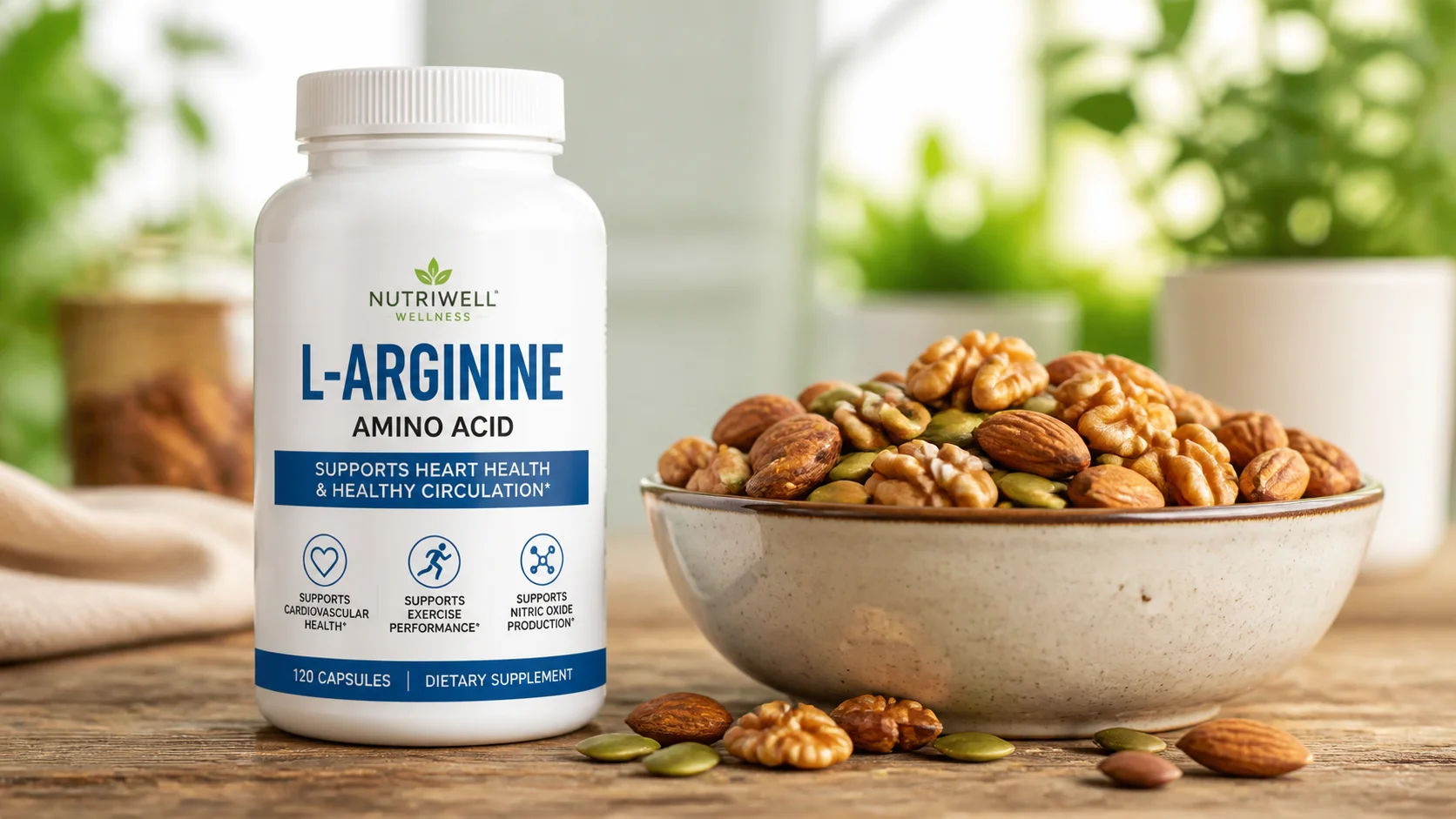
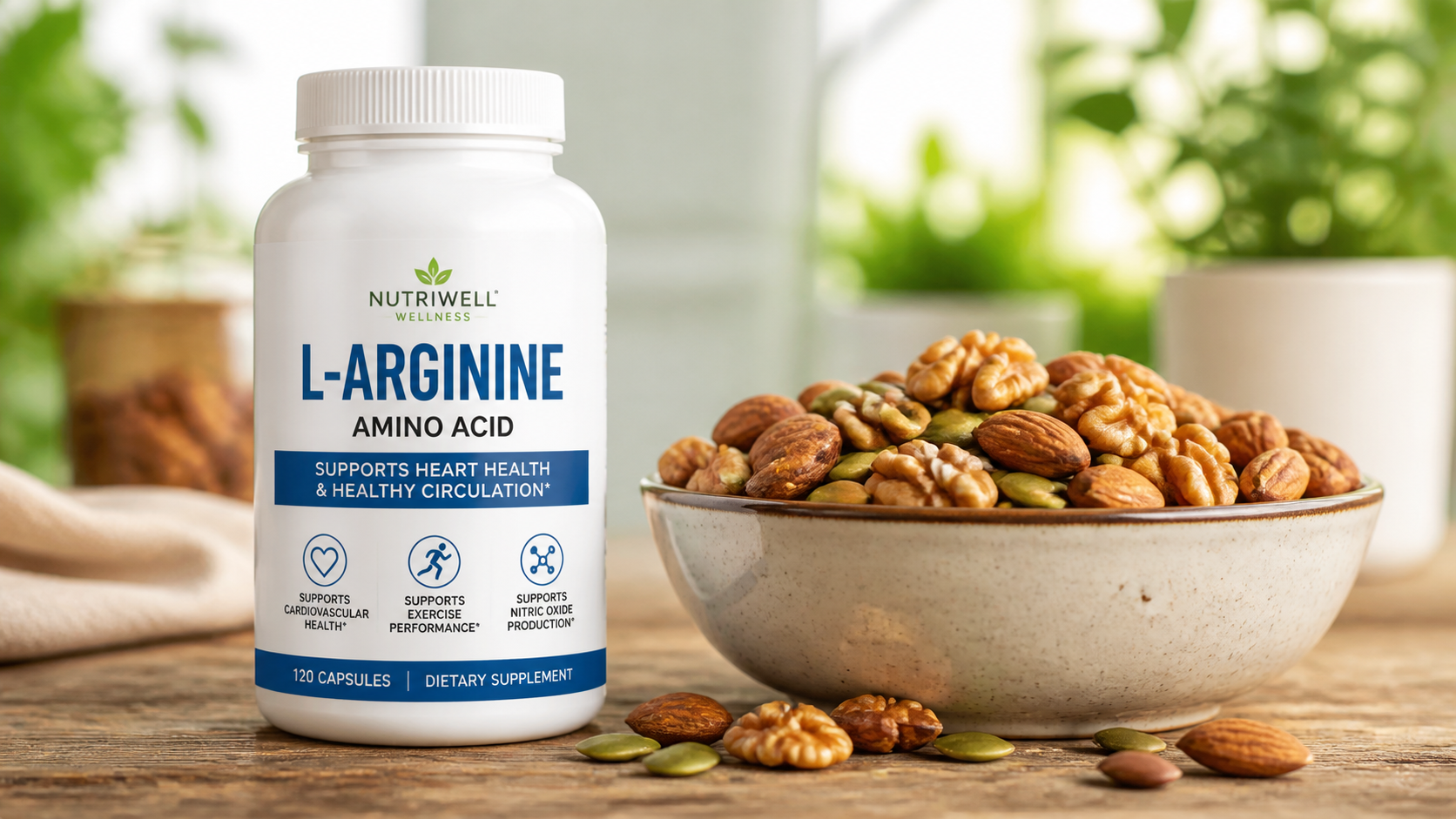
Bowls of nuts, seeds and a bottle of amino acid supplements symbolizing dietary sources. The image shows a wooden table with L-Arginine supplements and nuts and seeds as healthy sources of L-Arginine.
What Is L-Arginine?
L-Arginine is an amino acid, which is a component of the building blocks of protein. The body can make some L-Arginine, so it is sometimes referred to as “semi-essential” meaning that in certain situations, such as stress, illness, or heavy exercise, the body may need L-Arginine in larger amounts than it can produce, so supplementation or food sources are useful.
Primary Dietary Sources
There are natural ways to increase L-Arginine levels by eating a protein-rich diet:
- Animal proteins: Red meat, poultry, and fish (salmon and tuna).
- Dairy: Milk, cheese, and yogurt.
- Sources: Pumpkin seeds, walnuts, almonds, and soy products.
- Whole Grains: Brown rice, oats and buckwheat.
Key Health Benefits
L-Arginine is most recognized for its ability to help create nitric oxide, which are agents of vasodilation and relaxation.:
- Better Circulation: L-Arginine helps to produce nitric oxide, which helps to maintain proper blood circulation around the body.
- Heart Health Support: May help maintain healthy blood pressure by relaxing constriction of the vessels.
- Better Immune Function: L-Arginine plays a role in immune cell development and function, supporting the body’s ability to resist oxidative stress.
- Accelerated Wound Healing: It promotes the production of collagen, which is crucial for wound healing and repair.
- Athletic Performance: It can be used by bodybuilders to help improve the blood flow to the muscles during intense periods of exercise, thereby increasing workout endurance.
Usage & Best Practices
No matter if you’re taking L-Arginine for medical or athletic purposes, the main thing is safety.
- Consult a Professional: Always take advice from a physician before taking L-Arginine, particularly if you are taking blood pressure medication or have any type of heart condition.
- Be Careful of Dosing: Be sure to follow the manufacturer’s directions or your doctor’s orders. Bigger isn’t necessarily better.
- Focus on whole foods: Don’t rely solely on supplements as a replacement for a well-balanced diet that is rich in nutrients.
Important Safety Considerations
L-Arginine is safe for the majority of healthy people, but may have some mild side effects, such as:
- Gastrointestinal upset (nausea, diarrhea, or stomach pain).
- Allergic reaction or skin rash.
- Changes in blood pressure.
Note:Stop use and see a healthcare provider right away if you have any unwanted side effects.
The following is a list of Frequently Asked Questions (FAQ)
Conclusion
L-Arginine is a multifaceted amino acid that serves as a link between nutrition and specific health benefits. Knowing what it does, especially about its function in blood flow, will empower you to make a well-informed decision on whether it is right for you to incorporate it into your wellness regime. Always choose the best supplements and keep in mind that supplements will work best when used in combination with a well-balanced lifestyle.
Disclaimer
This information is not intended to be medical advice, diagnosis, or treatment. Before beginning any new supplement program, always check with your doctor or other health care professional.
Sources

Health & Wellness Writer | Research-Informed Health Content Creator
A.K.M. Monjurul Hoque is a health and wellness writer specializing in health, beauty, fitness, nutrition and healthy living. His content is informed by health journals, books, seminars, training programs, and discussions with experienced healthcare professionals. He writes clear, practical and research-informed articles for general education and encourages readers to seek personalized advice from qualified medical professionals.