



Discover the Cook Islands: Your Ultimate South Pacific Paradise Guide
Introduction: Barefoot Magic and Untouched Beauty
Imagine stepping off a plane into a world where digital distractions fade away, replaced by the gentle rustle of coconut palms, the rhythm of Polynesian drums, and water so brilliantly turquoise it defies description [1] [2]. Nestled in the heart of the South Pacific, the Cook Islands represent the quintessential tropical escape [3]. Comprising 15 idyllic islands scattered across an expanse of ocean, this Polynesian paradise masterfully blends breathtaking natural beauty with a rich, living heritage that welcomes travelers like family [4].
Whether you are seeking the pulse of a vibrant island culture, the serenity of an overwater bungalow, or adrenaline-pumping underwater adventures, the Cook Islands offer an unforgettable journey. Unlike many commercialized tourist traps, the archipelago has retained its authentic charm, where no building is taller than a coconut tree and island time rules supreme.
1. Geography and Overview: The Dual Nature of the Islands
Located approximately 2,100 miles northeast of New Zealand, the Cook Islands are divided into two distinct geological groups [5]. The Southern Group consists of high, volcanic islands with rugged green peaks and fertile soil, while the Northern Group is composed of remote, low-lying coral atolls [5].
The two most prominent and visited islands are Rarotonga and Aitutaki, each offering a completely different facet of island life. Rarotonga serves as the vibrant commercial and cultural heart, dominated by dramatic volcanic mountains and encircled by a bustling coastal road. In contrast, Aitutaki is legendary for having what many consider the most breathtaking lagoon on Earth—a mesmerizing canvas of shifting blue hues dotted with tiny, uninhabited islets known as motus [1] [6].
| Island | Primary Landscape | Best Known For |
|---|---|---|
| Rarotonga | Volcanic peaks and dense rainforests | Cultural tours, Cross-Island Trek, Punanga Nui Market |
| Aitutaki | Coral atolls and mesmerizing lagoons | World-famous lagoon cruises, snorkeling, pristine motus |
2. Climate and When to Visit
Blessed with a warm tropical maritime climate, the Cook Islands are a wonderful year-round destination [7]. Average temperatures consistently range between 75°F and 85°F (24°C to 30°C), making it an ideal refuge from colder northern winters [8].
While the islands can be visited at any time, the dry season—spanning from April to November—is widely considered the optimal window for travel [9]. During these months, humidity is lower, trade winds provide a refreshing breeze, and rainfall is minimal, creating perfect conditions for hiking and water sports.
3. Cultural Heritage and Festivals
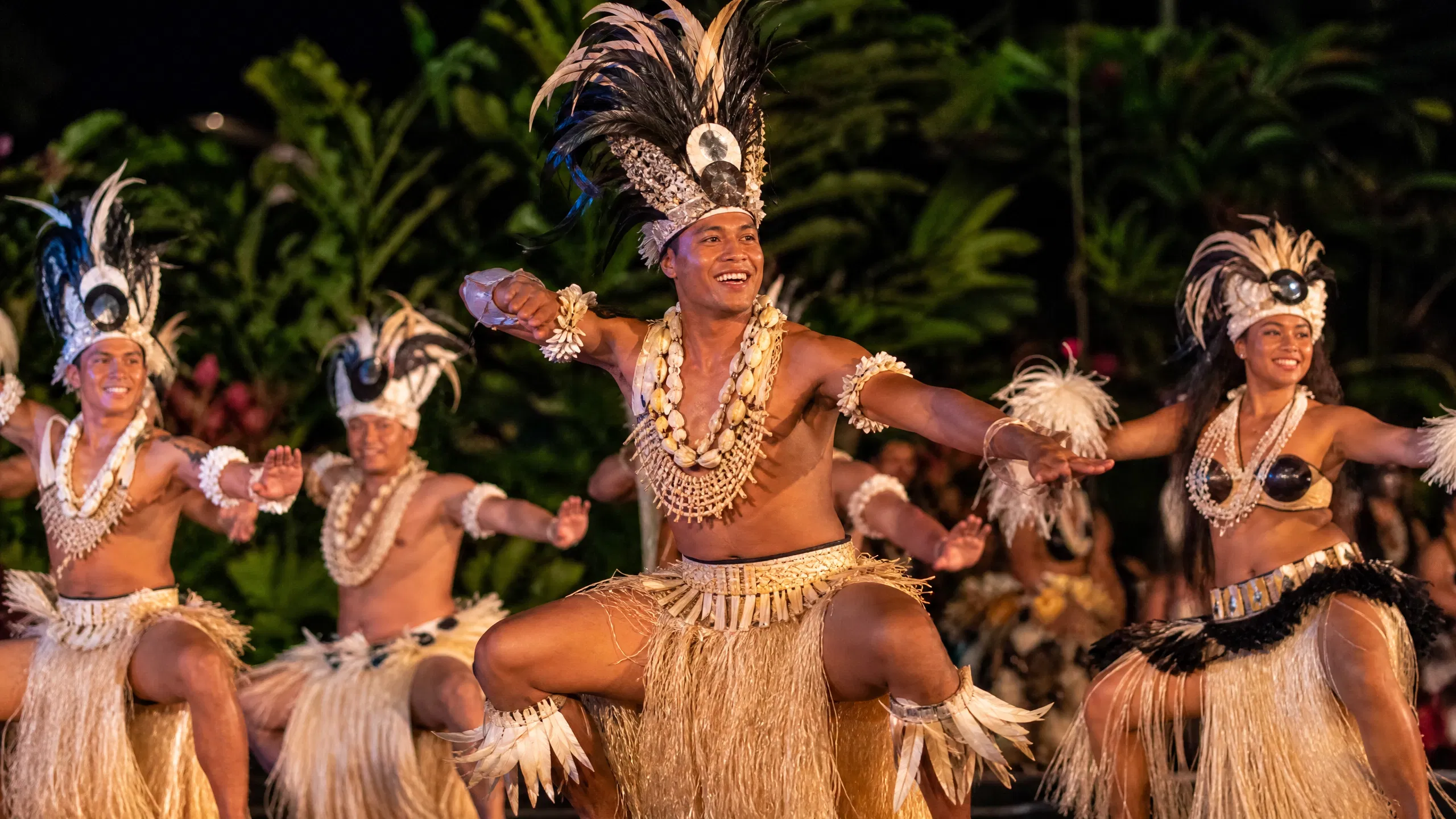
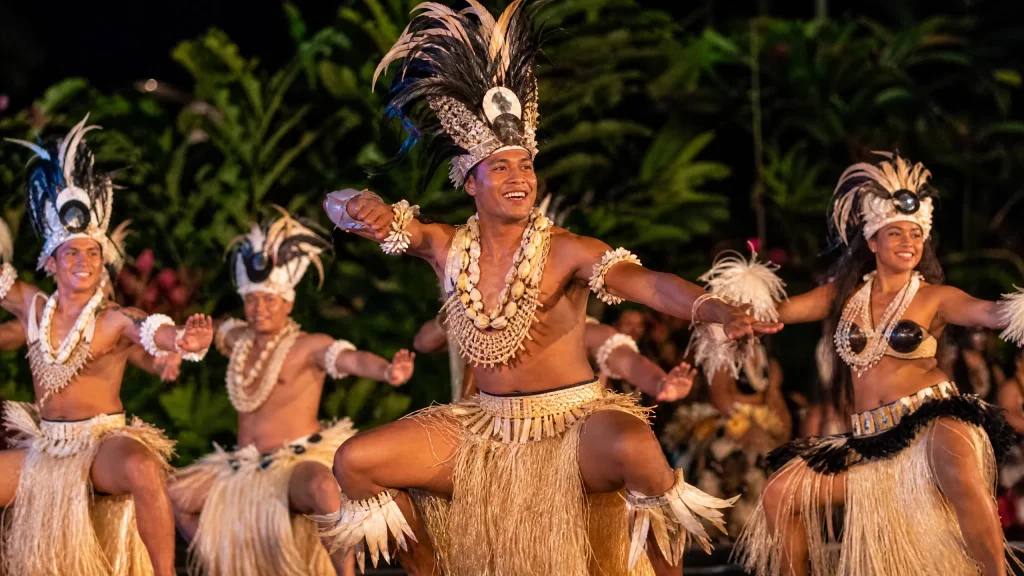
The soul of the Cook Islands lies in its rich Polynesian culture, which dates back over a millennium. Traditions are not merely preserved in museums; they are lived every day through dance, intricate woodcarving, and traditional music [10].
The pinnacle of this cultural expression is the annual Te Maeva Nui festival, held over twelve days from late July to early August [11]. This vibrant national celebration marks the country’s self-governance with spectacular float parades, traditional choral singing, and mesmerizing dance competitions that bring together communities from all 15 islands [11] [12].
4. Unforgettable Experiences and Activities
From land to sea, the archipelago offers an array of experiences tailored to every type of traveler.
- The Cross-Island Trek (Rarotonga): For hikers and adventure seekers, this guided trail takes you through dense jungle, past cascading streams, and up to the iconic Te Rua Manga (The Needle), offering panoramic views of the entire island.
- Aitutaki Lagoon Excursions: No trip is complete without a boat cruise across Aitutaki’s lagoon. Snorkeling alongside giant trevally, colorful reef fish, and green sea turtles in crystal-clear waters is a transformative experience.
- •Culinary Explorations: Traditional Cook Islands cuisine is a delectable fusion of fresh seafood, coconut, and tropical produce. Be sure to try Ika Mata (raw fish marinated in lime juice and coconut cream) alongside local root vegetables and tropical fruits [13].
5. Essential Travel Tips for Visitors
Planning a seamless trip to the Cook Islands requires understanding a few practical details:
- Entry Requirements: U.S. and most international citizens do not require a visa for tourist stays up to 31 days, provided your passport is valid for at least six months beyond your departure date [14] [15].
- Currency: The official currency is the New Zealand Dollar (NZD), though major credit cards and U.S. currency are widely accepted in resorts and tourist hubs [16].
- Getting Around: Public buses on Rarotonga run on two routes (“Clockwise” and “Anti-Clockwise”) and are notoriously easy to navigate. Scooters, bicycles, and rental cars are also popular options for exploring at your own pace.
Conclusion: Your Dream Escape Awaits
The Cook Islands offer a rare blend of untamed natural splendor, deep-rooted Polynesian hospitality, and modern comforts. Whether you spend your days diving in the crystal-clear lagoons of Aitutaki, trekking through the emerald jungles of Rarotonga, or simply unwinding in an overwater bungalow, this South Pacific sanctuary promises memories that will last a lifetime [1] [3].

Frequently Asked Questions (FAQ)
Disclaimer
I am not a travel agent or medical professional. The information provided in this article is for inspirational and informational purposes only. Travel conditions, entry requirements and local regulations can change. Always verify official guidelines with the Cook Islands Tourism Corporation or your travel provider before booking.
References
1.Find Us Lost – The Complete Cook Islands Travel Guide
2.YouTube – The Ultimate Cook Islands Travel Guide
3.Audley Travel – Cook Islands Vacations
4.Flight Centre – Cook Islands Travel Guide
5.Trip.com – Cook Islands Travel Guide 2026
6.Frommer’s – Cook Islands Travel Guide
7.Cook Islands Tourism – Climate Overview
8.Weather and Climate – Cook Islands Annual Averages
9.Cook Islands Tourism – Best Time to Visit
10.Cultural Heritage Review – Polynesian Traditions in the South Pacific
11.Cook Islands Tourism – Te Maeva Nui Festival
12.ABC Pacific – Cook Islands Comes Alive for Te Maeva Nui
13.Local Cuisine Guide – Traditional Flavors of Polynesia
14.Cook Islands Tourism – Entry Requirements
15.Intrepid Travel – Visa and Entry Requirements for the Cook Islands
16.U.S. Department of State – Cook Islands International Travel Information


Health & Wellness Writer | Research-Informed Health Content Creator
A.K.M. Monjurul Hoque is a health and wellness writer specializing in health, beauty, fitness, nutrition and healthy living. His content is informed by health journals, books, seminars, training programs, and discussions with experienced healthcare professionals. He writes clear, practical and research-informed articles for general education and encourages readers to seek personalized advice from qualified medical professionals.