





Fibermaxxing: The Viral Gut Trend That Could Wreck Your Digestion
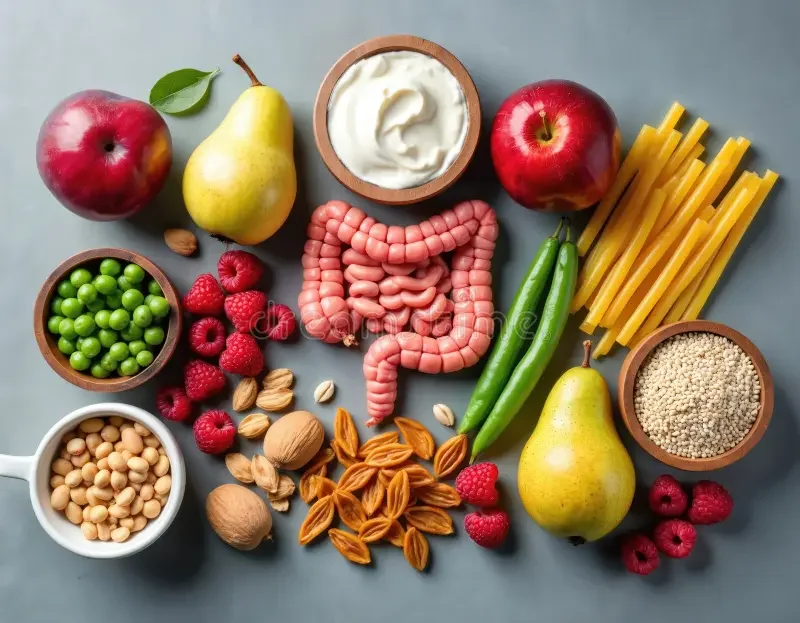
The rise of fibermaxxing—a viral social media trend pushing people to load up on extremely high amounts of fiber, sometimes 50-100 grams per day through supplements and powders—sounds like a gut-health dream. After all, fiber is celebrated for keeping digestion smooth, stabilizing blood sugar, lowering cholesterol, promoting fullness, and even reducing risks of certain cancers and heart disease.
But here’s the catch: while bumping up your fiber intake is smart (most adults fall short of recommendations), going overboard with “fibermaxxing” can lead to serious downsides for your gut and overall well-being.
Why Most People Aren’t Getting Enough Fiber
Modern diets are dominated by ultra-processed foods (UPFs), which offer convenience but little nutritional value. In the UK, UPFs make up over half of calorie intake—around 57% for adults and up to two-thirds for teens and adolescents. These foods—like sugary cereals, packaged snacks, ready meals, and grab-and-go sandwiches—leave fiber almost entirely absent.
The result? Average fiber consumption hovers around 15-20 grams per day, far below expert guidelines:
- Women: 25 grams daily
- Men: 38 grams daily
- General adult target (many sources, including UK/NHS): Aim for 30 grams per day
This gap explains why fiber trends gain traction—people want to fix the deficiency. Simple swaps help: choose whole-grain bread over white, eat fruits with the skin on, add veggies to every meal, or snack on nuts and seeds.

Eating an apple with the skin is an easy way to boost natural fiber intake.
The Risks of Extreme Fibermaxxing
“Fibermaxxing” often goes beyond whole foods into concentrated supplements or powders, sometimes ditching food groups entirely. While moderate increases are beneficial, sudden or excessive fiber—especially from isolates—can overwhelm your digestive system.
Common short-term issues include:
- Bloating and gas
- Abdominal cramping
- Diarrhea or constipation (yes, too much can backfire by making stool too bulky)
- Increased urgency or “eventful” bathroom trips


Overdoing fiber, particularly from supplements, can cause uncomfortable bloating and digestive upset.
Long-term concerns are less studied for mega-doses, but rapid overloads may interfere with mineral absorption (like iron, calcium, and zinc) or disrupt gut balance. There’s limited research on consistently hitting 50+ grams via supplements, so your body might protest before any “super-gut” benefits appear.
The good news? Fiber from whole foods rarely causes these extremes because it’s bundled with water, nutrients, and variety that helps your system adapt.
How to Boost Fiber Safely and Effectively
Skip the frenzy and focus on sustainable progress:
- Increase gradually—add 5 grams every few days to let your gut adjust.
- Prioritize natural sources: whole grains (oats, brown rice, and quinoa), legumes (beans and lentils), fruits, vegetables, nuts, and seeds.
- Stay hydrated—fiber needs water to work properly and prevent issues.
- Listen to your body—if discomfort hits, dial back and consult a doctor or dietitian.

nutritionsource.hsph.harvard.edu


Fill your plate with colorful, fiber-packed whole foods like vegetables, fruits, grains, and legumes for balanced benefits.
Conclusion
Fiber is a powerhouse nutrient your body craves, but fibermaxxing extremes can turn helpful into harmful, causing gut distress and potential long-term imbalances. Instead of chasing massive doses or relying on supplements, build a balanced, whole-food approach. Gradual increases from real foods deliver the benefits—better digestion, steady energy, and disease protection—without the backlash. Your gut (and social life) will thank you for choosing moderation over hype.
FAQ
What is fibermaxxing? It’s a social media trend focused on maximizing fiber intake, often exceeding standard recommendations (25-38 g daily) through foods, but sometimes via high-dose supplements or powders.
How much fiber should I eat daily? Aim for 25 g (women) to 38 g (men), or around 30 g as a general adult target. Most people get only half that.
Can too much fiber be bad for you? Yes—especially if increased suddenly or from supplements. It can cause bloating, gas, cramps, diarrhea, constipation, or nutrient absorption issues.
Is fibermaxxing safe? Moderate increases from whole foods are generally safe and beneficial. Extreme versions lack long-term research and risk digestive problems.
How can I increase fiber without side effects? Go slow (add a little at a time), drink plenty of water, and stick to diverse whole-food sources like veggies, fruits, grains, and legumes.
Should I use fiber supplements? They’re helpful if diet falls short, but prioritize food first. Over-relying on them raises risks of overload symptoms. Consult a professional for personalized advice.

Health & Wellness Writer | Research-Informed Health Content Creator
A.K.M. Monjurul Hoque is a health and wellness writer specializing in health, beauty, fitness, nutrition and healthy living. His content is informed by health journals, books, seminars, training programs, and discussions with experienced healthcare professionals. He writes clear, practical and research-informed articles for general education and encourages readers to seek personalized advice from qualified medical professionals.