




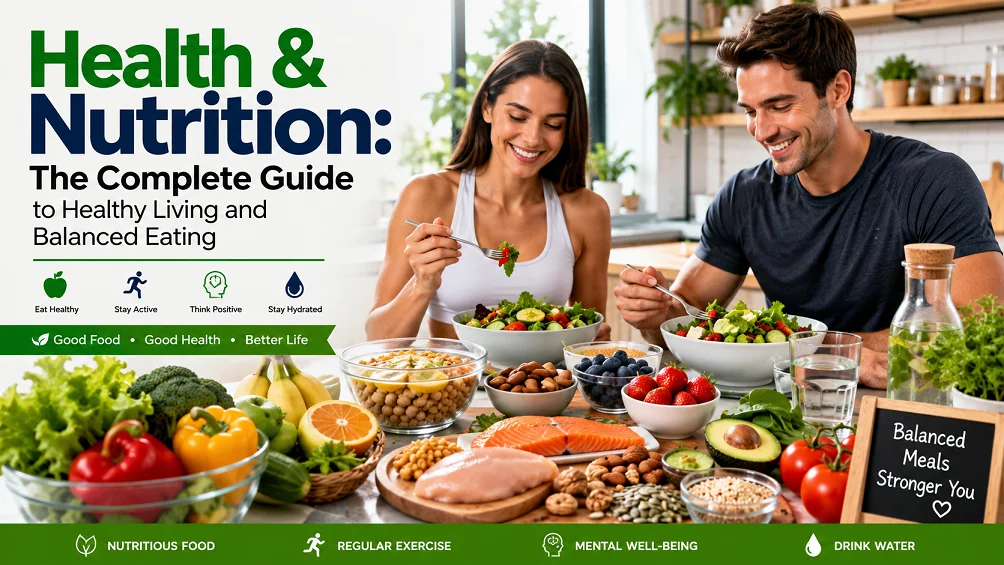
Health & Nutrition: The Complete Guide to Healthy Living and Balanced Eating
The health and nutrition go hand in hand. In modern life, we’re encouraged to be convenient and live fast but to stay healthy, it relies on what we eat daily. The proper nutrition helps the body to get essential nutrients for growth, energy production, immune function, and overall well-being.
Knowing about the links between health and nutrition is even more vital today than ever, as lifestyle diseases are becoming more prevalent in the world. A healthy diet is one that can help build better physical health, boost mental function and provide a longer, happier life.
So, what is health and nutrition?
Health is more than just a lack of disease, it is a complete physical, mental and social well-being. Nutrition is the process of how food is digested, absorbed and utilized by the body for life and health.
A healthy diet provides the body with:
- Carbohydrates for energy
- Build and repair protein molecules
- Good fats for brain and heart health.
- Vitamins and minerals – for essential body processes
- Fiber to support healthy digestion
- For hydration and cell function
These nutrients work in concert with one another to allow the body to function properly and minimize the chances of chronic diseases.
Why Nutrition Matters
Making a food choice at any moment can impact on our health. Eating the wrong kinds of foods can lead to obesity, heart disease, type 2 diabetes, high blood pressure, and other health issues. A well balanced diet, on the other hand, can contribute to:
Strong Immune Function
Vitamins and minerals like vitamin C, vitamin D, zinc, and antioxidants support the immune system to fight off disease and infection.
Improved Energy Levels
A balanced diet maintains energy levels throughout the day, allowing people to continue to be productive and focused.
Better Heart Health
The healthy fats, whole grains, fruits and vegetables in these foods help to keep healthy cholesterol and blood pressure.
Enhanced Mental Well-Being
Eating nutritious foods may help to improve cognitive function, mood stability and overall mental health.
The following is a list of some of the important factors to consider in a healthy diet:
Fruits and Vegetables
In fruits and vegetables, vitamins, minerals, antioxidants and fiber play a role in various functions of the body. Colorful fruits and vegetables are generally good sources of antioxidants that experts advise eating every day.
Lean Proteins
Tissue: Protein tissue. Protein helps maintain muscles, repair tissue, and boost immunity. Healthy sources include:
Protein helps maintain muscles, repair tissue and boost immunity. Healthy sources include:
- Fish
- Chicken
- Eggs
- Beans
- Lentils
- Tofu
Whole Grains
Whole grains are a good source of fiber and nutrients. Examples include:
- Brown rice
- Oats
- Quinoa
- Whole wheat bread
Healthy Fats
Not all fat is bad fat. Healthy fats help the health of your brain and hormones.Good sources include:
- Avocados
- Nuts
- Seeds
- Olive oil
- Fatty fish
Hydration
Water plays a vital role in digestion, regulating body temperature, transporting nutrients and maintaining good health. Hydration helps to maintain almost all body functions.
Beginners’ Nutrition Errors to Steer Clear Of
There are lots of people who make dietary decisions that have unintentional consequences that can have a detrimental impact on health.
Frequently occurred errors are:
- Skipping breakfast regularly
- Drinking too many sugary drinks
- Often consumes highly processed food
- Ignoring portion sizes
- Not drinking enough water
- Extreme fad diets, to follow and then break.
Too often, a program of small sustainable changes can make a greater difference than extreme dietary restrictions.
Food Guidelines for a Healthy Diet
- Half of your plate should be vegetables.
- Eat whole foods instead of processed foods.
- Eat protein at all meals.
- Avoid excessive amounts of added sugars and salt.
- Carefully read nutrition labels.
- Plan ahead for meals.
- Stay physically active.
- Consume enough water each day.
The opportunity to find reliable information about nutrition.
When looking for nutrition advice based on evidence, check out these reliable websites:
- World Health Organization (WHO): https://www.who.int
- The Nutrition Source at the Harvard T.H. Chan School of Public Health: https://www.hsph.harvard.edu/nutritionsource
- Academy of Nutrition and Dietetics: https://www.eatright.org
- National Institutes of Health Office of Dietary Supplements (ODS): https://ods.od.nih.gov
These are organizations that offer information on healthy eating and nutrition that is based on research.
Health and nutrition in the 21st Century
Nutrition is becoming more and more individualized as scientific knowledge continues to develop. With the progress of technology, genetics and nutritional science, it might be possible to get personalized diet recommendations according to a person’s specific health and goals.
Even with those advancements, the core foundations of a healthy lifestyle: Balanced eating, regular exercise, proper sleep and healthy habits remain the same.
Conclusion
Health and nutrition go hand in hand and are a part of a healthy lifestyle. Foods have an impact on our mood, immune system, clarity of thought and quality of life. With balanced nutrition and conscious eating decisions, people can lay the groundwork for a healthy life. Nutrition is one of the best tools at your disposal and even simple changes in the way you eat can have a great impact in the long run.
This is a list of frequently asked questions (FAQ).

Health & Wellness Writer | Research-Informed Health Content Creator
A.K.M. Monjurul Hoque is a health and wellness writer specializing in health, beauty, fitness, nutrition and healthy living. His content is informed by health journals, books, seminars, training programs, and discussions with experienced healthcare professionals. He writes clear, practical and research-informed articles for general education and encourages readers to seek personalized advice from qualified medical professionals.