




Revolutionizing your sleep: How to use sleep tracking technology
Good sleep is the best performance booster in today’s fast-paced world. However, millions of people are unable to sleep or wake up feeling rested. That’s where devices for tracking sleep come in — they serve as a link between feeling tired and feeling refreshed. The devices are changing the way complex biological information is analyzed and translated into actual practice in the health sector, and they’re becoming essential to health care today.
Why Track Your Sleep?
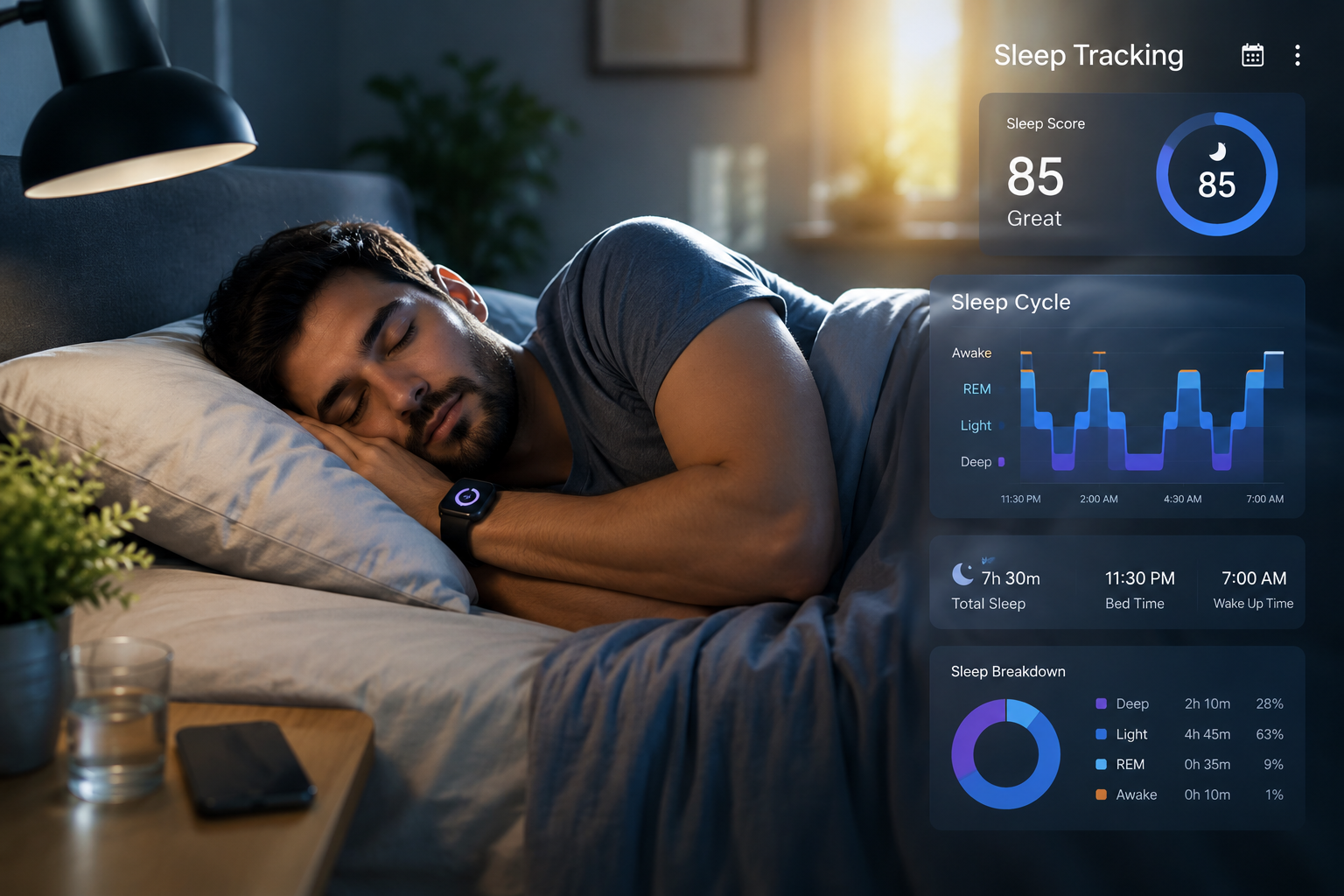
Sleep tracking is not only about numbers; it’s about understanding the patterns in your body. This is for athletes, or anybody who experiences unexplained tiredness. What you get from tracking:
- Biological clarity: measurable data on your REM, deep and light sleep states.
- Lifestyle correlations: Information about the impact of your evening coffee, run or screen time on your sleep.
- Early warning signs: Subtle changes in data that may suggest sleep disruption and/or some underlying health need.
Wearable Versus Non-Wearable Devices: Which One is best for You?
Not all trackers are created equal. It’s all about your comfort level and the data you’re looking for, so it comes down to the “right” device.
1. Wearable Devices
Ideal for users looking for instant information and fitness integration.
| Device Type | Best For | Pros |
|---|---|---|
| Smartwatches | Fitness enthusiasts | Multifunctional and high data density. |
| Fitness Bands | Minimalists | Lightweight and with good battery life. |
| Smart Rings | Comfort-seekers | Non-intrusive, ideal for sleep only monitoring. |
Non-Wearable Options
Ideal for individuals that don’t like wearing a device while sleeping:
- Under-Mattress Sensors: They detect subtle movements, heart rate and breathing without touching the skin, using the technique of ballistocardiography.
- Bedside Monitors: Map your sleep environment using technologies that are non-invasive such as radar or sound analysis.
- Smart Mattresses: Ultimate integration; sensors are embedded in your bedclothes.
Leveraging Data for Change: Practical Benefits

No strategy = no data. Here are some tips for using your sleep numbers to sleep better:
- Optimize circadian rhythm:Knowing when you have your best chance to get to deep sleep can enable you to align your sleep hours with your body’s optimal recovery period.
- Improved Sleep Quality: Measure and track your sleep environment to improve. If your REM sleep increases when the room temperature is 18 ∘ C 18 ∘ You’ve identified your “best sleep time”, C!
- Sleep disruption detection: Sleep trackers can monitor “micro-awakenings,” or small periods of wakefulness you may not even notice or remember, which can make you feel like you didn’t get a good night’s rest.
What device is the best one to use?
Prior to the purchase, check the following factors to determine your needs:
- Comfort vs. accuracy: If you have sensitive skin, a sensor that attaches to a ring or under your mattress is more comfortable than a more cumbersome watch.
- Battery life: The key to consistency is to charge the battery often. Check for devices with a battery life of at least 5-7 days.
- Ecosystem integration: If you already have an Apple Health or Google Fit app, ensure the tracker you choose integrates with your health app.
Top Brands at a Glance
- Fitbit: Everything all in one place for getting fit.
- Garmin: without a doubt the best for the high-performance athlete.
- Oura: The gold standard in discreet, comfortable ring tracking.
- Withings: Ideal for wearable, set it and forget it, medical-grade sensors.
Final Thoughts
Tracking sleep is a self-exploration process. There are tools that can help you get beyond simply getting by to getting the most out of each night’s sleep, all you have to do is select the right one and listen to the trends your device is pointing at. Take it slow, stay consistent and use the data to make a better tomorrow happen.
Frequently Asked Questions (FAQ)
External Links
Linking to reputable sites (like health organizations or tech journals) builds “Authoritative Authority” (E-E-A-T);
- For Galaxy S25 Content: * Link to official Samsung Newsroom pages for specifications.
- For Sleep Tracking Content: * Link to the National Sleep Foundation for educational data on sleep cycles.

Health & Wellness Writer | Research-Informed Health Content Creator
A.K.M. Monjurul Hoque is a health and wellness writer specializing in health, beauty, fitness, nutrition and healthy living. His content is informed by health journals, books, seminars, training programs, and discussions with experienced healthcare professionals. He writes clear, practical and research-informed articles for general education and encourages readers to seek personalized advice from qualified medical professionals.