




Human Race Skincare: Simple Steps for Healthier-Looking Skin
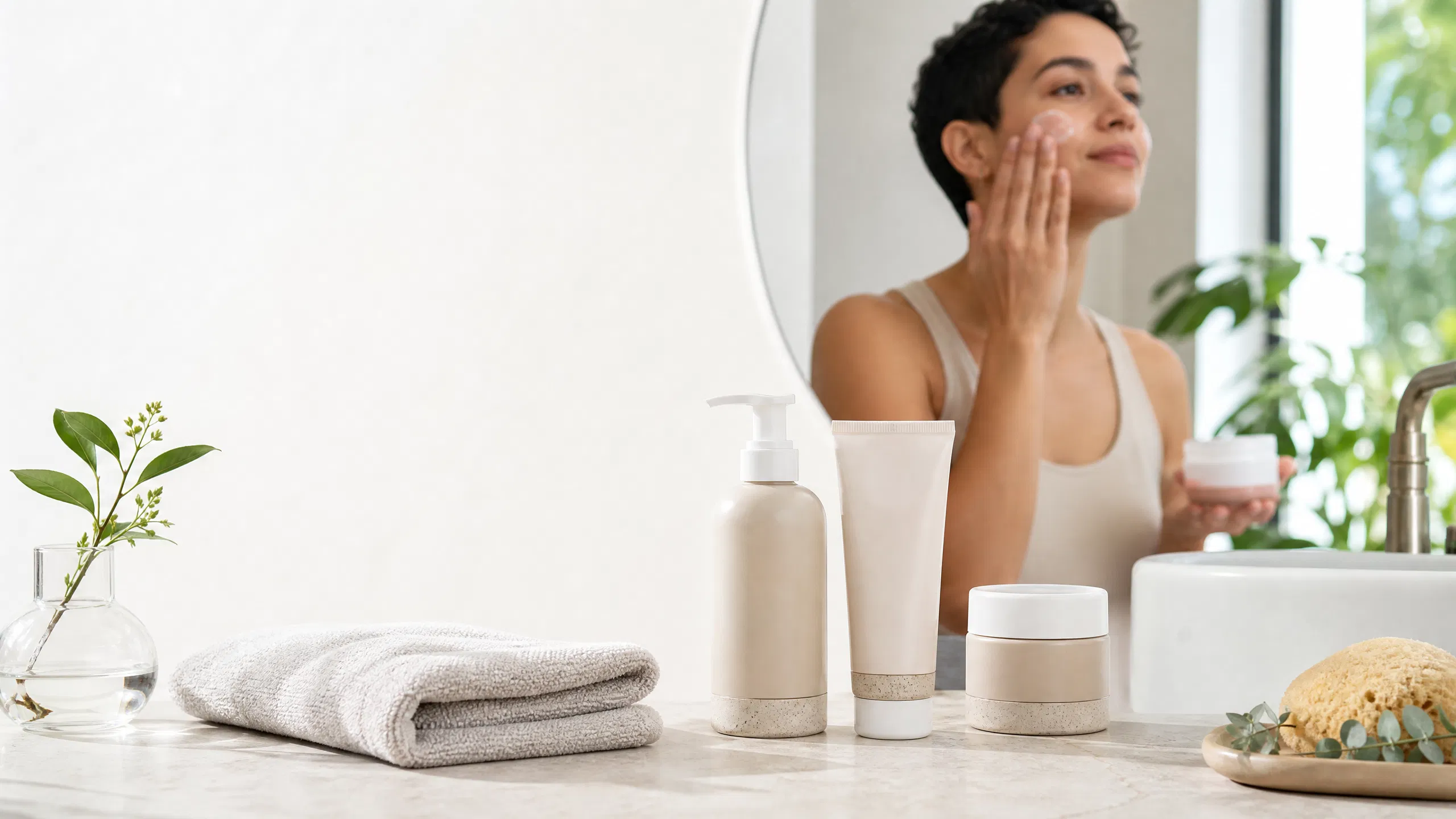
Human Race Skincare, founded by Pharrell Williams, presents skincare as part of everyday self-care. The brand combines gender-neutral products with an emphasis on mindful routines, natural-inspired ingredients, and more responsible packaging.
Its main idea is simple: skincare should be easy to understand, enjoyable to use, and considerate of both people and the environment. As with any brand, individual results can vary. The best products are the ones that suit your skin and fit comfortably into your daily routine.

Why a Consistent Skincare Routine Matters
Your skin is your body’s outer barrier. It helps protect you from dirt, irritants, and germs while helping the body hold on to moisture. A few steady habits can help keep it comfortable and healthy-looking.
Cleanse your face with a gentle product in the morning and at night. Apply moisturizer regularly, especially after cleansing. If you sweat, rinse or gently wipe your face with a clean, soft towel. A balanced diet, enough water, regular movement, and quality sleep can also support your overall skin health.
You do not need a complicated routine. In most cases, consistency matters more than having a crowded bathroom shelf.
How to Help Prevent Common Skin Problems
Small habits can make a noticeable difference. Wash your hands before touching your face, avoid picking at pimples, and choose products made for your skin type. Protect your skin from strong sunlight by seeking shade, wearing protective clothing, and using sunscreen.
Stress can affect some people’s skin and may make breakouts or irritation harder to manage. Rest, exercise, time outdoors, hobbies, and relaxation can all help support a healthier routine.
Pay attention to changes in your skin. A new or changing mole, a spot that does not heal, or an unusual rash should be checked by a healthcare professional.
Understanding Your Skin
The skin has three main layers, and each one has a different job.
| Skin layer | Main role |
|---|---|
| Epidermis | The outer layer. It forms a protective barrier and helps reduce moisture loss. |
| Dermis | The middle layer. It contains blood vessels, nerves, glands, and structures that help give skin strength and flexibility. |
| Hypodermis | The deeper layer. It contains fat and connective tissue that help cushion and insulate the body. |
Knowing the basics can make it easier to understand why different products feel and work differently on your skin.
Common Skin Types
Skin is often described as normal, oily, dry, combination, or sensitive. These labels are useful starting points, but your skin can change with the weather, hormones, age, stress, medication, and the products you use.
Normal skin is generally balanced, without excessive oiliness or dryness. Oily skin may look shiny and can be more likely to develop clogged pores. Dry skin may feel tight, rough, or flaky. Combination skin is often oilier in some areas and drier in others. Sensitive skin may react easily with redness, burning, itching, or discomfort.
Choose lightweight, non-comedogenic products if your skin tends to become oily or congested. Dry skin often feels better with a richer moisturizer. If your skin is sensitive, look for gentle, fragrance-free products and introduce new items one at a time.
Managing Acne and Breakouts
Acne can affect people of any age. It often develops when hair follicles become blocked with oil and dead skin cells. Hormonal changes, stress, and some products may make breakouts worse.
A simple routine can help. Cleanse gently twice a day, avoid scrubbing or picking, and look for products labeled non-comedogenic. If you use an acne ingredient such as salicylic acid, start slowly and stop if your skin becomes very irritated.
A basic routine might look like this:
| Step | Product type |
|---|---|
| 1 | Gentle cleanser |
| 2 | Optional acne treatment, such as salicylic acid, if suitable for your skin |
| 3 | Oil-free or non-comedogenic moisturizer |
| 4 | Broad-spectrum sunscreen during the day |
Persistent, painful, or scarring acne may need professional treatment. A dermatologist can recommend options based on your skin and medical history.
Helping Dry or Dehydrated Skin
Dry skin and dehydrated skin are not exactly the same. Dry skin usually lacks oil, while dehydrated skin lacks water. Both can leave the skin feeling tight, rough, flaky, or itchy.
Cold weather, low humidity, hot showers, and harsh products can make these feelings worse. Try a gentle, hydrating cleanser and apply a cream or lotion soon after washing. Keep showers warm rather than hot, and avoid rubbing your face with a rough towel.
A simple routine for dry or dehydrated skin may include a hydrating cleanser, a moisturizer, and daytime sunscreen. A serum containing ingredients such as hyaluronic acid may help some people, but it is not essential for everyone.
Cleansing, Exfoliating, and Moisturizing
Cleansing removes sweat, dirt, sunscreen, and excess oil. Use lukewarm water and a mild cleanser, then pat your face dry instead of rubbing it.
Exfoliation can remove some dead skin cells, but more is not always better. If you choose to exfoliate, start no more than once or twice a week and avoid using several strong exfoliating products at the same time. People with sensitive or irritated skin may need to skip exfoliation altogether.
Moisturizer helps reduce water loss and supports the skin barrier. Apply it after cleansing while the skin is still slightly damp. Choose a texture that feels comfortable and suits your skin type.
Sun Protection Is Essential
Use a broad-spectrum sunscreen with an SPF of 30 or higher when you will be outdoors. Apply enough to cover exposed skin and reapply as directed on the product label, especially after swimming, sweating, or extended time outside.
Sunscreen helps protect against sunburn and reduces exposure to ultraviolet radiation, which contributes to premature skin aging and increases skin-cancer risk. Shade, hats, sunglasses, and protective clothing provide additional support.
A Simple Daily Routine
Morning: Cleanse gently if needed, apply moisturizer, and finish with broad-spectrum sunscreen.
Evening: Remove makeup and sunscreen, cleanse your face, and apply moisturizer. Add an acne or other treatment only if it is appropriate for your skin.
Weekly: Review how your skin feels. If it is stinging, peeling, unusually dry, or breaking out more than usual, simplify the routine and introduce products more slowly.
Conclusion
Good skincare does not need to be expensive or complicated. The most useful routine is one you can follow: cleanse gently, moisturize, protect your skin from the sun, and choose products that match your needs.
Human Race Skincare offers one approach to that routine, with a focus on gender-neutral self-care and environmental responsibility. Whether you use this brand or another, pay attention to how your skin responds. Healthy-looking skin usually comes from steady habits, realistic expectations, and a little patience.
Disclaimer
This article is for general education and is not medical advice. Product results vary from person to person, and “natural” ingredients are not automatically safer or better for every skin type. Patch-test new products when appropriate, follow product instructions, and consult a dermatologist or healthcare professional about persistent acne, severe irritation, changing moles, unexplained rashes, or other ongoing skin concerns.
FAQ
Sources
- American Academy of Dermatology — Skin Care Basics — Guidance on cleansing, moisturizing, and choosing products.
- American Academy of Dermatology — Basic Skin Care — Practical advice for building a simple daily routine.
- American Academy of Dermatology — How to Apply Sunscreen — Guidance on broad-spectrum SPF 30+ sunscreen and reapplication.
- American Academy of Dermatology — Skin Care Product Order — Advice on applying products and avoiding unnecessary irritation.
- American Academy of Dermatology — Acne — Evidence-based information about breakouts and acne care.
- NHS — Symptoms of Melanoma Skin Cancer — Warning signs involving new or changing moles and skin spots.

Health & Wellness Writer | Research-Informed Health Content Creator
A.K.M. Monjurul Hoque is a health and wellness writer specializing in health, beauty, fitness, nutrition and healthy living. His content is informed by health journals, books, seminars, training programs, and discussions with experienced healthcare professionals. He writes clear, practical and research-informed articles for general education and encourages readers to seek personalized advice from qualified medical professionals.