





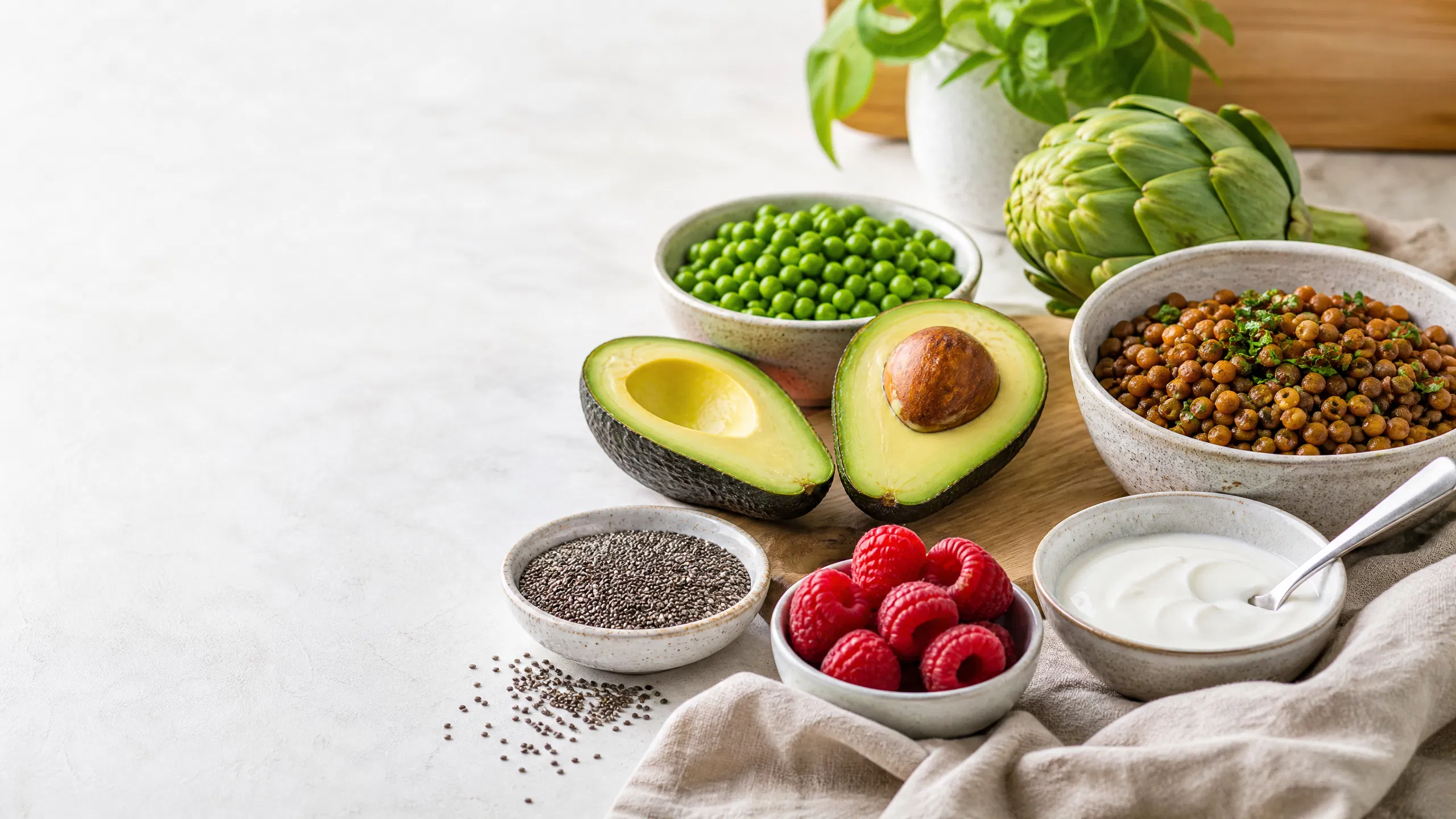
Say Goodbye to Boring Fiber: 6 Tasty Foods to Try
Fiber is important for digestion, gut health, steady energy, and feeling satisfied after meals. But when people think about fiber, they often think only of beans. Beans are a great choice, but they are far from the only one.
Most adults need about 25 to 38 grams of fiber a day. Women often need around 25 grams, while men often need around 38 grams, although needs vary with age, body size, activity, and calorie intake. Adding different fiber-rich foods to your meals can make it easier to reach that goal without eating the same thing every day.
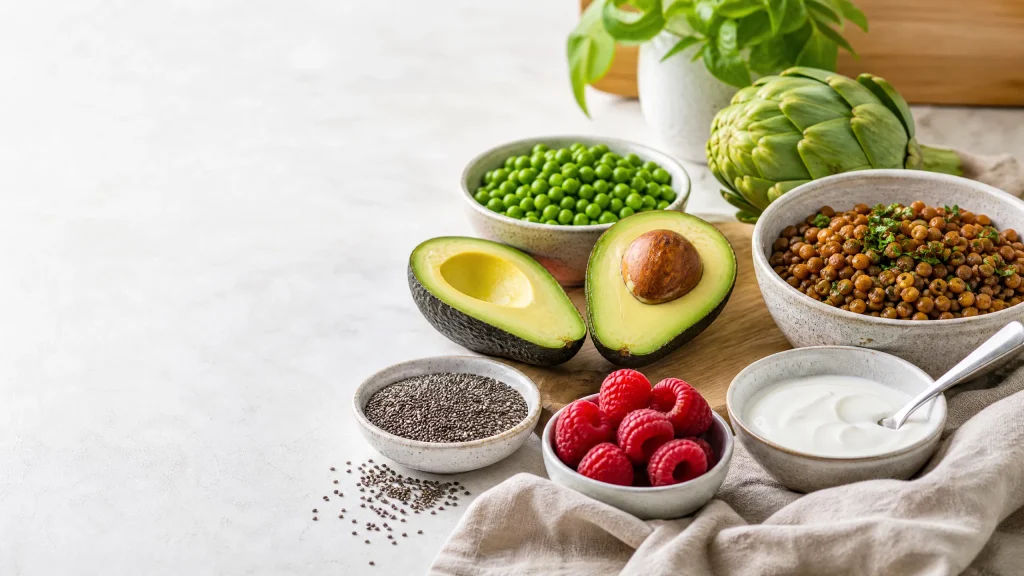
Here are six flavorful options to add variety to your plate:
1. Chia Seeds: Small but Powerful
One ounce of chia seeds—about two tablespoons—contains nearly 10 grams of fiber. Chia seeds also provide plant-based omega-3 fats, some protein, and other helpful plant compounds.
They absorb liquid and develop a soft, gel-like texture, which makes them easy to use in breakfasts and snacks. Stir them into overnight oats, sprinkle them over yogurt or avocado toast, or mix them with milk and berries to make chia pudding.
Their flavor is mild, so they can add fiber without changing the taste of a dish too much.
2. Avocado: Creamy and Filling
Avocados are known for their heart-friendly monounsaturated fats, but they also provide plenty of fiber. One medium avocado contains roughly 9 to 10 grams.
The combination of fiber and healthy fat can make a meal more satisfying. Mash avocado with lime and cilantro for guacamole, spread it on whole-grain toast, or add it to salads and grain bowls. You can even blend it into a smooth dressing or smoothie.
3. Green Peas: An Easy Freezer Staple
Green peas are often overlooked, yet one cup of cooked peas provides about 9 grams of fiber and a useful amount of plant protein. They contain a mix of soluble and insoluble fiber, which supports different parts of digestion.
Keep a bag in the freezer and add peas to soups, stir-fries, rice dishes, or pasta. You can also blend them with herbs and chickpeas to make a bright spread or dip. They are affordable, convenient, and naturally sweet.
4. Artichokes: A Delicious Fiber Boost
Artichokes may look difficult to prepare, but they are worth trying. A medium cooked artichoke can provide roughly 7 to 9 grams of fiber, depending on its size.
Add chopped artichoke hearts to pizza, pasta salad, grain bowls, or roasted vegetables. You can also steam or roast a whole artichoke and serve it with a flavorful dipping sauce. Their slightly nutty taste can make an everyday meal feel more special.
5. Raspberries: Sweet, Tart, and Fiber-Rich
One cup of raspberries provides about 8 grams of fiber. They also contain vitamin C and colorful plant compounds called polyphenols.
Eat them on their own, mix them into Greek yogurt or oatmeal, or freeze them for a cool snack. You can also simmer them into a simple compote or use them to make a quick chia jam. Fresh or frozen, raspberries add bright color and a pleasant tart flavor.
6. Lentils: Affordable and Easy to Use
Lentils cook faster than many types of dried beans and have a mild, earthy flavor. Half a cup of cooked lentils provides nearly 8 grams of fiber, along with plant protein and minerals such as iron.
Add them to soups, stews, curries, pasta sauce, or chili. They also work well in grain bowls and homemade vegetable burgers. Because they are inexpensive and filling, lentils are a useful pantry staple for simple meal preparation.
How to Add More Fiber Without Feeling Uncomfortable
If your current diet is low in fiber, increase it slowly. Adding a large amount all at once can lead to gas, bloating, or stomach discomfort. Give your body time to adjust, and drink enough water throughout the day.
It also helps to spread fiber across your meals instead of trying to eat most of it at dinner. For example, add chia seeds to breakfast, peas or lentils to lunch, and berries or fruit as a snack.
Final Thoughts: Make Fiber More Enjoyable
You do not have to depend on one food to meet your fiber needs. Chia seeds, avocado, green peas, artichokes, raspberries, and lentils each bring a different flavor and texture to your meals.
Start with one or two options this week. Add them to foods you already enjoy, experiment with different preparations, and build from there. A good fiber routine should support your health while still being satisfying enough to maintain.
Frequently Asked Questions
Disclaimer
This article is for general education and is not a personalized medical or nutrition plan. People with digestive disorders, diabetes, kidney disease, food allergies, or other health conditions may have different dietary needs. Speak with a qualified healthcare professional or registered dietitian for advice tailored to you.

Reliable Sources
- U.S. National Academies — Dietary Reference Intakes: Fiber — Reference values and dietary fiber requirements.
- FDA — Questions and Answers on Dietary Fiber — Information about dietary fiber, soluble and insoluble carbohydrates, and recognized health effects.
- Nutrition.gov — Fiber — U.S. government guidance on daily needs and food sources.
- USDA Dietary Guidelines — Food Sources of Fiber — Fiber amounts in common foods and standard portions.
- MedlinePlus — Dietary Fiber — National Library of Medicine information on fiber and food choices.
- Mayo Clinic — High-Fiber Foods — Practical examples of high-fiber foods and ways to increase intake.

Health & Wellness Writer | Research-Informed Health Content Creator
A.K.M. Monjurul Hoque is a health and wellness writer specializing in health, beauty, fitness, nutrition and healthy living. His content is informed by health journals, books, seminars, training programs, and discussions with experienced healthcare professionals. He writes clear, practical and research-informed articles for general education and encourages readers to seek personalized advice from qualified medical professionals.