





The Science of Protein: The Best Intake for Muscle Growth and Strength
Protein is not only a supplement, it’s the building block if you wish to gain strength and build lean muscle. But, how much is enough, and when?
What is the need of protein in muscle building
Strength training puts mechanical stress and microscopic tears on the muscle fibers. There is sufficient protein in the diet necessary to restore these tissues by a process called muscle protein synthesis (MPS) (Journal of the International Society of Sports Nutrition). When there are not enough amino acids, your body is in catabolic (muscle-wasting) mode instead of anabolic (muscle building) mode.
How much protein you need depends on your personal needs
The idea of a “one size fits all” approach to nutrition rarely works. Science says it’s your level of activity that dictates what you need.
- If the person is inactive: 0.8 grams per kg of body weight.
- Strength based athletes/weightlifters: 1.6 g to 2.2 g per kg of body weight
Quick Calculation Table
| Body Weight (kg) | Moderate Goal (1.6g/kg) | High Intensity Goal (2.2g/kg) |
|---|---|---|
| 60 kg | 96g | 132g |
| 75 kg | 120g | 165g |
| 90 kg | 144g | 198g |
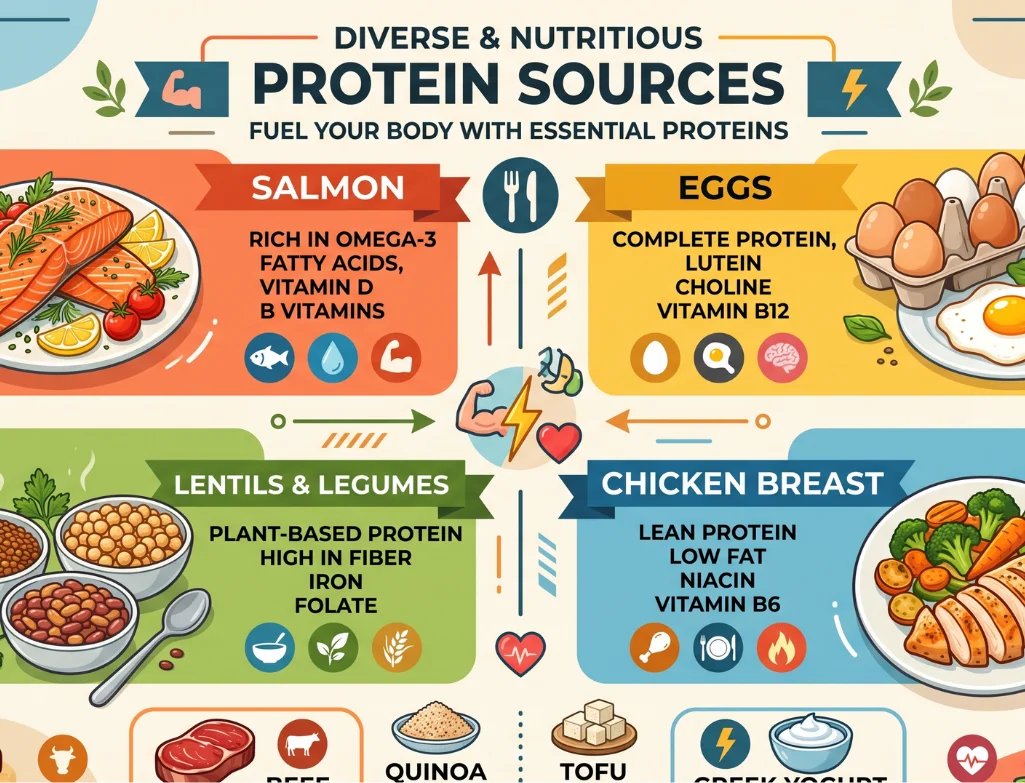
Good sources of good quality protein
The proteins are not all the same. Use sources that provide all 9 essential amino acids (EAAs).

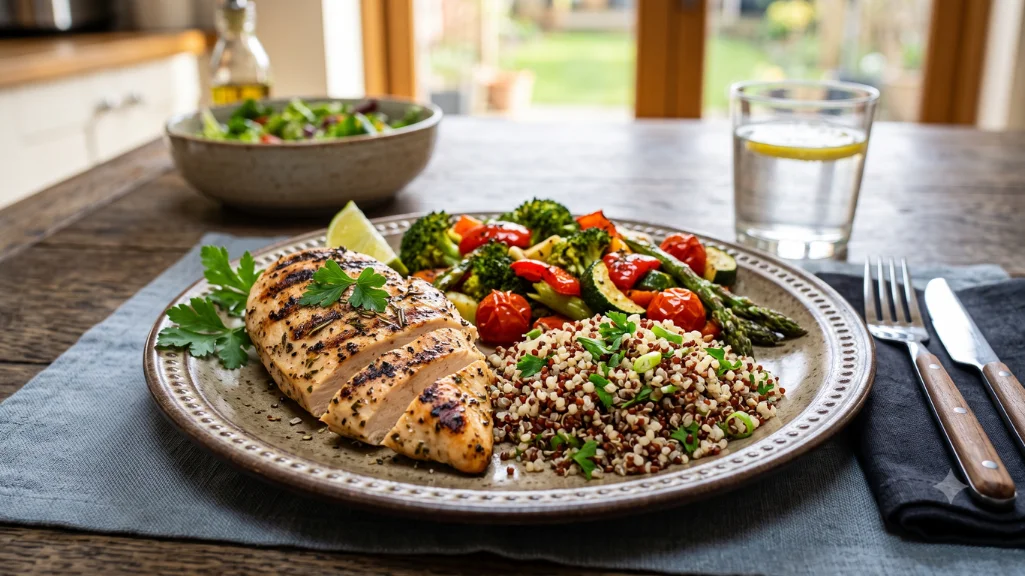
- Animal-based: These “complete” proteins include chicken breast, turkey, eggs, wild fish and Greek yogurt.
- Plant-based: Quinoa, tempeh, tofu and lentils are great options.
Hint: Mix vegetable proteins (e.g., rice and beans) to get all the required amino acids.
The “Anabolic Window” and Daily Distribution
Although there are various recommendations on post workout nutrition, modern research indicates that total daily intake is the most crucial. But consuming protein in several small meals is one way to maintain a high MPS level during the day.
Top tip: “To maximize recovery following exercise, you should try to get between 20-30 g of good protein in the first 30-60 minutes after exercising.
Signs you’re not getting enough protein
When you’re stuck in a particular energy state, you might be suffering from some of these symptoms of protein deficiency.
- Ongoing fatigue – muscle tissue is not being repaired so overall tiredness.
- Excessive soreness – lasting more than 3 days.
- Weakness due to frequent illness: Protein is crucial in the immune system, so if you are weak, it could be a protein deficiency.
In addition to the above, there are Frequently Asked Questions (FAQ) available
Conclusion
Optimisation of protein intake is a planned step towards improved performance. When you focus on quality sources, eat throughout the day, and listen to your body, you’re maximizing your energy.

Health & Wellness Writer | Research-Informed Health Content Creator
A.K.M. Monjurul Hoque is a health and wellness writer specializing in health, beauty, fitness, nutrition and healthy living. His content is informed by health journals, books, seminars, training programs, and discussions with experienced healthcare professionals. He writes clear, practical and research-informed articles for general education and encourages readers to seek personalized advice from qualified medical professionals.