






Skip the Elevator: Why Climbing Stairs Is One of the Best Things You Can Do for Your Body
You don’t need a gym membership. You don’t need equipment. You don’t even need to carve out a separate block of time in your day. The staircase — the one in your building, your office, your home — is already one of the most effective fitness tools available to you. Most people just walk straight past it.
Here’s why that’s worth reconsidering.
What It Does for Your Heart
Climbing stairs gets your heart rate up fast. That’s not a side effect—it’s the point. When your heart works harder regularly, it gets stronger. Over time, it becomes more efficient at pumping blood and oxygen, which means it doesn’t have to work as hard during everyday activities.
The research here is worth paying attention to. Studies have found that people who climb more than five flights of stairs a day reduce their risk of cardiovascular disease by around 20%. A broader analysis found stair climbing is associated with a 24% lower risk of dying from any cause — and a 39% lower likelihood of dying specifically from heart disease. These aren’t small numbers for something that costs nothing and takes minutes.
Beyond heart disease risk, regular stair climbing has also been shown to help lower blood pressure, improve cholesterol levels, and support healthier blood sugar regulation. Not bad for something most of us treat as an inconvenience.

The Calorie Burn Is Surprisingly High
Here’s the part that surprises most people. Climbing stairs burns far more calories than walking on a flat surface — some estimates put it at around three times as many for the same amount of time. The reason is simple: you’re working against gravity with every step. Your body has to lift its own weight upward, which takes real effort.
To put a number on it: a 150-pound person climbing stairs for 30 minutes burns roughly 272 calories. A brisk walk for the same duration burns significantly less. If you’re short on time but want something that actually moves the needle physically, this is one of the more efficient options out there.
Even a few minutes here and there adds up. Taking the stairs at work, at the shops, at the train station — these small choices stack on top of each other over the course of a day in ways that a single dedicated workout often can’t replicate.
The Muscles It Works
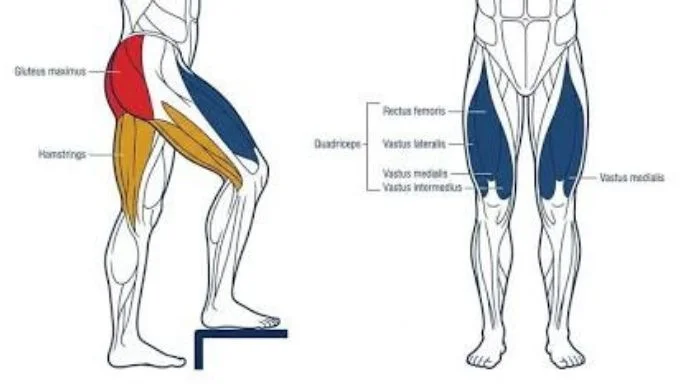
Stair climbing is primarily a lower body workout, and it’s a thorough one. Each step up engages your glutes, quads, hamstrings, and calves — all working together to push your body upward. Over time, this builds real strength in your legs, improves muscle tone, and makes everyday movements like walking, carrying things, and getting up from chairs noticeably easier.
Your core is involved too. Maintaining balance and upright posture on stairs quietly works your abdominal muscles in a way that flat-surface walking doesn’t demand. It’s not a substitute for dedicated core training, but it’s a meaningful addition.
There’s one more benefit worth mentioning, especially for anyone thinking about long-term health: stair climbing is a weight-bearing exercise. That means it puts load through your bones in a way that helps maintain bone density. This matters more as we get older, when bone loss becomes a genuine health concern.

A Few Things to Know Before You Start
Stair climbing is low-barrier, but a few basics make it safer and more effective.
Your posture matters. Stand upright rather than hunching forward. Engage your core, and press through your whole foot — not just your toes — with each step. This distributes the effort properly through your glutes and hamstrings rather than putting unnecessary strain on your knees.
Start where you are. If you haven’t been doing much exercise, don’t begin with ten flights. Start with two or three and see how your body responds. Build from there over a few weeks. The goal is consistency, not heroics on day one.
Pay attention to how you feel. Breathing hard is fine — that’s the point. Muscle fatigue is normal. Sharp pain in your joints, knees, or ankles is not. If something hurts beyond normal exertion, stop and rest.
Going down is a different story. Descending stairs puts noticeably more stress on the knees than going up. If you have knee problems, it’s worth taking the elevator down and only climbing up. You still get most of the cardiovascular and muscle benefit either way.
Check with your doctor first if you have existing joint issues, balance problems, heart conditions, or any concern about starting a new physical activity. This applies to any new exercise, not just stairs.
Conclusion
The elevator is convenient. Nobody’s disputing that. But convenience has a cost, and one of them is that most of us move far less than our bodies need.
Stair climbing isn’t a fitness trend or a complicated program. It’s just movement — practical, free, already built into the places you go every day. It strengthens your heart, burns real calories, builds muscle in your legs, and supports your bones over time. The research behind it is solid. The barrier to entry is essentially zero.
You don’t have to overhaul your routine. Just take the stairs when you have the option. Do it consistently. That’s genuinely enough to make a difference.
Disclaimer
This article is for general informational purposes only and does not constitute medical advice. Stair climbing may not be suitable for everyone, particularly those with knee problems, joint conditions, cardiovascular issues, or balance concerns. Always consult a qualified healthcare provider before starting any new exercise routine, especially if you have a pre-existing health condition. Individual results will vary.
FAQ
Sources

Health & Wellness Writer | Research-Informed Health Content Creator
A.K.M. Monjurul Hoque is a health and wellness writer specializing in health, beauty, fitness, nutrition and healthy living. His content is informed by health journals, books, seminars, training programs, and discussions with experienced healthcare professionals. He writes clear, practical and research-informed articles for general education and encourages readers to seek personalized advice from qualified medical professionals.