





Testosterone Explained: Benefits, Low Levels, TRT Risks, and Safe Choices

Learn what testosterone does, how low testosterone is diagnosed, when TRT may be appropriate, and why unsupervised hormone use can be risky.
A Health Note
I’m not a medical professional—treat this as informed analysis, not a medical diagnosis; a qualified clinician should confirm anything consequential. Testosterone symptoms can overlap with other health conditions, so testing and treatment decisions should be made with a healthcare professional.
Testosterone is often discussed as if it were a shortcut to bigger muscles, more energy, or a stronger sex drive. The reality is more nuanced. It is an important hormone in both men and women, and the body needs it for several different functions.
At the same time, social media has made “boosting testosterone” sound easy. Supplements, injections, and anabolic steroids are often promoted without enough attention to their risks. Understanding the difference between medically diagnosed hormone deficiency and performance-enhancing use is essential.
What Is Testosterone?
Testosterone is a sex hormone produced mainly in the testes in men and in smaller amounts by the ovaries and adrenal glands in women. The adrenal glands also contribute to testosterone production in men.
During puberty, testosterone helps support changes such as increased muscle mass, facial and body hair, a deeper voice, and the development of reproductive organs. It continues to play a role throughout adulthood in both men and women.
What Does Testosterone Do?
Testosterone is involved in several body functions, including:
| Function | Why it matters |
|---|---|
| Sexual desire | Testosterone contributes to libido, although desire is also shaped by stress, relationships, sleep, medications, and overall health. |
| Sperm production | In men, testosterone supports sperm production, but taking external testosterone can actually reduce sperm production. |
| Muscle and bone health | It helps support muscle development and bone strength. |
| Red blood cell production | Testosterone influences the production of red blood cells. |
| Mood and energy | Low levels may be associated with low energy or mood changes, but these symptoms have many possible causes. |
Does Testosterone Always Decline With Age?
Testosterone levels can decline gradually as men grow older, but the pattern is not identical for everyone. Age, body weight, sleep, illness, medications, alcohol use, and other health factors can all affect hormone levels.
A low reading does not automatically mean a person has hypogonadism, commonly called testosterone deficiency. The Endocrine Society recommends diagnosing hypogonadism only when a person has relevant symptoms and consistently low testosterone levels confirmed with accurate testing .
Symptoms such as fatigue, reduced sexual desire, erectile difficulties, depressed mood, or loss of muscle can also result from sleep problems, depression, obesity, diabetes, thyroid disease, medication effects, or other conditions. That is why a proper evaluation matters.
When Can Testosterone Replacement Therapy Help?
Testosterone replacement therapy, or TRT, may be considered for men who have symptoms of testosterone deficiency and repeatedly low morning testosterone levels. A clinician should review the person’s medical history, medications, fertility plans, examination findings, and test results before recommending treatment.
TRT is available in several forms, including gels, injections, patches, and implants or pellets. The choice depends on medical needs, preferences, cost, convenience, and potential side effects. Treatment requires follow-up testing and monitoring.
TRT is not intended to create “superhuman” performance or to treat normal aging by itself. It should not be started simply because someone wants a faster transformation, higher athletic performance, or a more muscular appearance.
TRT Is Not the Same as Anabolic-Steroid Misuse
Medically supervised TRT aims to bring testosterone into an appropriate range for someone with a confirmed deficiency. Anabolic-steroid misuse often involves much higher doses or combinations of substances used to change appearance or performance.
The two situations are not identical, although medically prescribed testosterone can still have risks. The treatment goal, dose, monitoring, and reason for use all matter.
Risks of Unsupervised Testosterone or Steroid Use
Using testosterone without a diagnosis and medical supervision can interfere with the body’s own hormone system. Possible harms include:
- Reduced fertility: External testosterone can suppress the signals that stimulate sperm production, which may lower sperm count and cause testicular shrinkage.
- Higher red blood cell levels: TRT and other testosterone products can increase red blood cell production. In some people, this raises the risk of complications and requires monitoring.
- Blood-pressure increases: The U.S. Food and Drug Administration required class-wide labeling changes in 2025 after studies confirmed that testosterone products can increase blood pressure .
- Acne and oily skin: Changes in hormone levels can affect oil production and skin health.
- Breast enlargement: Hormonal changes may contribute to gynecomastia in some men.
- Mood changes: Irritability, mood swings, anxiety, or worsening depression can occur, particularly with misuse or high doses.
- Liver problems: Some oral anabolic steroids can place significant stress on the liver.
- Prostate and sleep concerns: Clinicians may need to consider prostate health and untreated sleep apnea before and during treatment.
The exact risk depends on the product, dose, duration, route of administration, other medicines, and a person’s health history. “Natural” or online products are not automatically safe.
Safer Ways to Support Healthy Hormone Function
Lifestyle habits cannot guarantee a specific testosterone level, but they can support general health and may improve factors linked with hormone function.
Eat a Balanced Diet
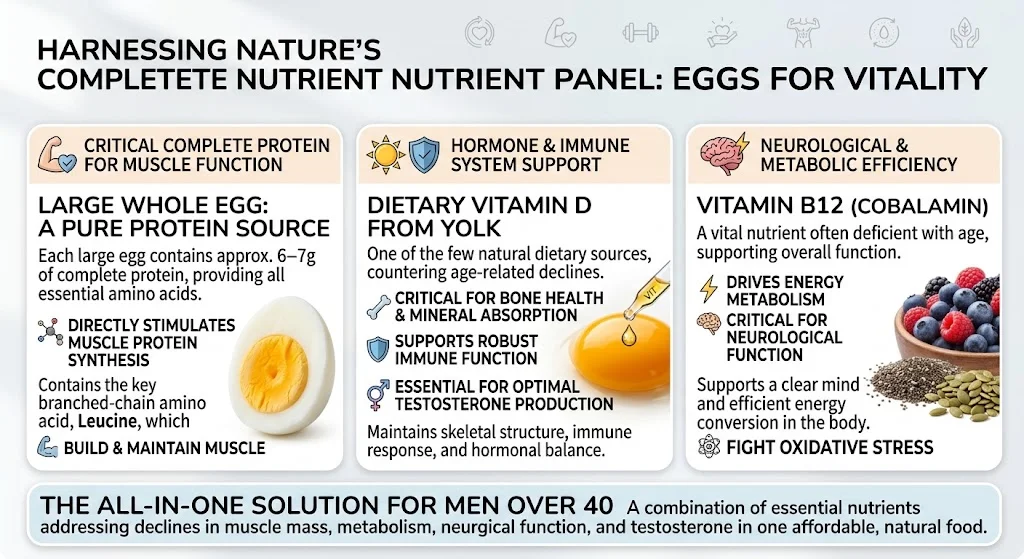
Build meals around protein-rich foods, vegetables, fruit, whole grains, and healthy fats. Foods containing zinc, magnesium, and vitamin D can be part of a healthy diet, but taking extra supplements is not automatically helpful if you do not have a deficiency.
Exercise Regularly
A combination of resistance training and aerobic activity can support muscle strength, heart health, body composition, and overall wellbeing. Exercise is not a guaranteed testosterone “booster,” but regular movement is valuable for many reasons.
Protect Your Sleep
Poor sleep can affect energy, mood, appetite, and hormone regulation. Aim for a consistent sleep schedule and enough rest for your individual needs. If you snore heavily, stop breathing during sleep, or remain exhausted despite adequate time in bed, ask a healthcare professional about sleep apnea.
Manage Ongoing Stress
Long-term stress can affect sleep, mood, appetite, and general health. Walking, hobbies, time outdoors, breathing exercises, social connection, and professional support may all help.
When Should You Talk to a Clinician?
Consider making an appointment if you have persistent symptoms such as low sexual desire, erectile problems, unexplained fatigue, reduced muscle strength, fertility concerns, or significant mood changes.
A clinician may order more than one early-morning testosterone test and investigate other possible causes. Do not rely on a single home-test result or an online “testosterone booster” quiz to make a treatment decision.
If you are considering TRT and want children in the near future, mention this before treatment. External testosterone can reduce sperm production, and alternative approaches may need to be considered.
Frequently Asked Questions

Conclusion
Testosterone is important, but it is not a magic formula for instant muscle, constant energy, or eternal youth. The right question is not simply how to increase it. It is whether a person has a genuine medical deficiency, what may be causing the symptoms, and which treatment is safest.
For people with confirmed hypogonadism, carefully monitored treatment may improve symptoms and quality of life. For people without a medical need, unsupervised testosterone or anabolic-steroid use can disrupt fertility, blood pressure, mood, and long-term health.
The most reliable approach is straightforward: build healthy habits, investigate persistent symptoms, and make hormone-treatment decisions with a qualified healthcare professional.
References
[1] Endocrine Society — Testosterone Therapy for Hypogonadism Guideline Resources
[2] Endocrine Society — Hypogonadism in Men
[3] U.S. Food and Drug Administration — Labeling Changes for Testosterone Products
[4] National Institute of Diabetes and Digestive and Kidney Diseases — Low Testosterone
[5] MedlinePlus — Testosterone

Health & Wellness Writer | Research-Informed Health Content Creator
A.K.M. Monjurul Hoque is a health and wellness writer specializing in health, beauty, fitness, nutrition and healthy living. His content is informed by health journals, books, seminars, training programs, and discussions with experienced healthcare professionals. He writes clear, practical and research-informed articles for general education and encourages readers to seek personalized advice from qualified medical professionals.