






Pomegranate Power: Unlocking the Health Secrets of the Crimson Jewel
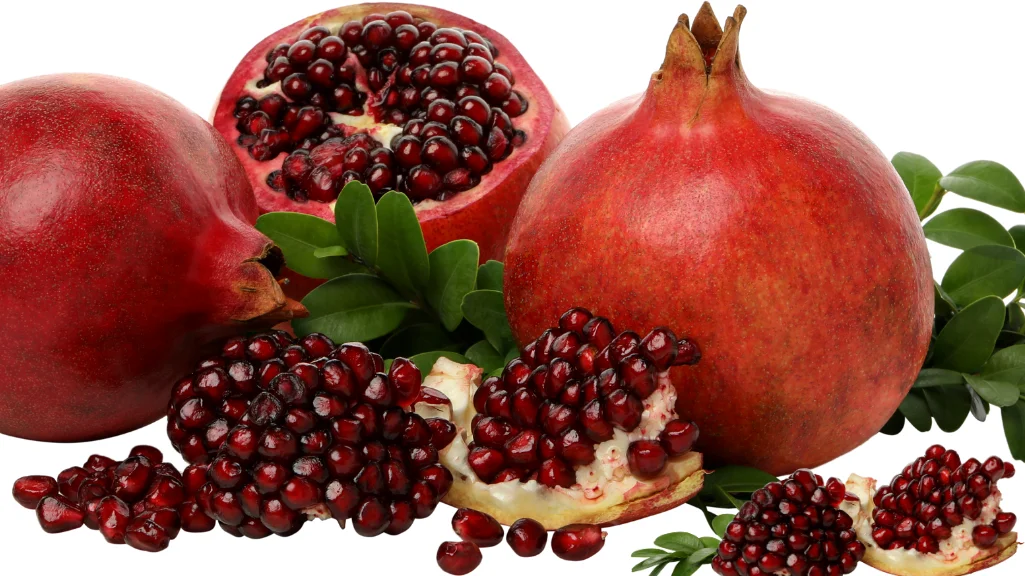
Pomegranate has a way of making ordinary fruit feel theatrical. Break through its leathery red rind and a mosaic of jewel-like arils appears, each one crisp, juicy, and pleasantly tart. Yet the appeal is not only visual. Pomegranate can also bring fiber, vitamin C, vitamin K, potassium, magnesium, and a range of plant compounds to the table.
That said, nutrition is rarely a story of one “miracle” food. Pomegranate is best understood as a flavorful addition to an overall eating pattern—not a treatment for disease and not a substitute for medication. Here is what the fruit may offer, what research has actually shown, and how to enjoy it sensibly.
A compact package of useful nutrients
According to USDA nutrition data, 100 grams of raw pomegranate provides about 83 calories, 4 grams of dietary fiber, 10 milligrams of vitamin C, 16 micrograms of vitamin K, and 236 milligrams of potassium. Those nutrients have ordinary but important jobs: fiber supports regular digestion and helps make meals more satisfying, vitamin C contributes to normal immune function and collagen formation, vitamin K is involved in blood clotting and bone metabolism, and potassium supports normal muscle and nerve function.
| Nutrient in 100 g of raw pomegranate | Approximate amount |
|---|---|
| Calories | 83 kcal |
| Dietary fiber | 4 g |
| Vitamin C | 10 mg |
| Vitamin K | 16 mcg |
| Potassium | 236 mg |
| Magnesium | 12 mg |
The exact nutrition profile varies with fruit size, variety, ripeness, and whether you choose whole arils or juice. Whole arils have an advantage over juice because they retain the fruit’s fiber. Juice can still fit into a balanced diet, but it is easier to drink a large amount of natural sugar quickly when the fiber-rich structure of the fruit is removed.
Why the color matters
Pomegranate’s deep red color comes partly from anthocyanins, a family of polyphenols with antioxidant activity. The fruit also contains other polyphenols, including tannins and ellagitannins such as punicalagin. In laboratory studies, these compounds can interact with pathways related to oxidation and inflammation. Some reviews have also reported that pomegranate juice shows substantial antioxidant capacity in test systems.
The important distinction is between biological potential and a proven clinical outcome. Antioxidant activity measured in a laboratory does not automatically mean that eating pomegranate prevents cancer, reverses artery disease, or protects every cell from damage. Those stronger claims require consistent evidence from well-designed human studies. Current guidance from the National Center for Complementary and Integrative Health (NCCIH) is appropriately cautious: pomegranate has been studied for several conditions, but the evidence remains limited or mixed for many proposed uses.
A possible contribution to heart health
Pomegranate has attracted attention in cardiovascular research, especially for blood pressure. NCCIH reports that pomegranate juice or extract may help reduce blood pressure, while also noting that more research is needed to confirm the effect. A 2024 systematic review and meta-analysis listed by NCCIH also examined pomegranate consumption and blood pressure in adults.
The picture is less convincing when it comes to cholesterol. Although pomegranate products have been investigated for cholesterol and other blood lipids, NCCIH states that no clear effects have been demonstrated. That is a useful reminder to avoid turning a promising food into a guaranteed heart-health remedy. Pomegranate can complement a heart-conscious diet rich in fruits, vegetables, legumes, whole grains, nuts, and fish, but it should not replace prescribed blood-pressure or cholesterol treatment.
Blood sugar: promising, but not a free pass
Pomegranate contains naturally occurring sugar, so calling it “safe without worry” for everyone with diabetes would be too broad. Research summarized by NCCIH suggests that pomegranate may lower blood glucose by a small amount, but this does not make the fruit a treatment for diabetes.
Whole arils are generally a more filling choice than juice because they provide fiber. Even so, portion size matters, and people who monitor blood glucose should pay attention to how their own body responds. Anyone using glucose-lowering medication should discuss meaningful dietary changes with a qualified clinician rather than adjusting medication independently.
Fiber for digestion and a healthy gut
Four grams of fiber per 100 grams makes pomegranate a useful contributor to daily fiber intake. Fiber helps support regular bowel movements and is fermented by some gut microbes. Preliminary research has explored whether pomegranate polyphenols and their metabolites may influence the gut microbiome, but this area is still developing and should not be presented as a guaranteed “detox” effect.
For the greatest fiber benefit, eat the arils rather than relying only on juice. Add them to oatmeal, plain yogurt, grain bowls, salads, or roasted vegetables for a combination of sweetness, acidity, and crunch.
What about skin and iron?
Pomegranate’s vitamin C contributes to normal collagen production and antioxidant protection, which makes the fruit a nutritious part of a diet that supports skin health. However, there is not enough evidence to promise that eating pomegranate will erase wrinkles or produce visibly younger skin. Healthy skin depends on many factors, including genetics, sun exposure, sleep, hydration, and overall nutrition.
Pomegranate itself is not a meaningful source of iron—the USDA lists 0 milligrams of iron per 100-gram serving. Its vitamin C may help the body absorb non-heme iron from plant foods when eaten as part of the same meal. For example, pomegranate arils could accompany lentils, beans, tofu, or leafy greens. This food pairing may support an iron-conscious eating pattern, but it cannot diagnose or correct anemia. Persistent fatigue, shortness of breath, or other symptoms should be evaluated by a healthcare professional.
Whole fruit or juice?
Both forms can be enjoyable, but they are not nutritionally identical. Whole arils provide fiber and take longer to eat. Juice is convenient and contains polyphenols, yet it is more concentrated and may contain added sugar depending on the product. When choosing juice, look for an unsweetened option and treat it as a beverage rather than an unlimited health tonic.
The easiest ways to use the whole fruit are also the most practical: scatter arils over yogurt, fold them into a grain salad, stir them into salsa, or use them to brighten a simple green salad. Pomegranates are in season during fall and winter in many markets, and USDA guidance notes that whole fruit can be refrigerated for up to two months.
Frequently asked questions
What is the best way to eat a pomegranate?
Eating the arils whole is usually the most nourishing everyday option because you consume the juice, pulp, and fiber together. You can also use them in oatmeal, yogurt, salads, smoothies, and savory dishes. Juice is an alternative, but choose unsweetened varieties and keep portions reasonable.
When is the best time to eat pomegranate?
There is no medically established “best” time. Enjoy it whenever it fits your routine. As a snack, pair the arils with yogurt, nuts, or another protein-rich food if you want something more sustaining than fruit alone.
Can pomegranate help with weight management?
Pomegranate is not a weight-loss treatment. Its fiber and water content may help make whole arils more filling than a sugary drink, but weight management depends on the overall balance of eating habits, activity, sleep, and health conditions.
Can people with diabetes eat pomegranate?
Many people with diabetes can include pomegranate in a balanced eating plan, but the fruit still contains carbohydrate and sugar. Whole arils are usually more filling than juice. Monitor portions and follow individualized guidance from your healthcare team, particularly if you take glucose-lowering medication.
Are there side effects or medication concerns?
Pomegranate juice is generally considered safe for most people, although digestive symptoms and allergic reactions have been reported. The peel, root, and stem may not be safe in large amounts. Pomegranate products may also interact with some medicines; the evidence is not uniform, but research has raised pharmacokinetic concerns involving certain drugs and enzymes such as CYP3A4 and CYP2C9. If you take prescription medication—especially medication with a narrow therapeutic range—ask a pharmacist or clinician before consuming large quantities of juice or using a pomegranate extract.
Can pomegranate improve athletic performance?
Early research has investigated pomegranate juice in relation to exercise, inflammation, and muscle recovery, but the evidence is not strong enough to promise a performance benefit. It should be viewed as an optional food or beverage, not a replacement for adequate carbohydrates, protein, fluids, sleep, and a properly designed training plan.
Conclusion
Pomegranate earns its place in a balanced diet for a simple reason: it is delicious, versatile, and nutrient-dense. Its arils provide fiber, vitamin C, vitamin K, potassium, and plant polyphenols, while human research offers cautious hints of benefits for blood pressure and blood glucose.
The most sensible approach is also the least dramatic. Eat the arils when you enjoy them, favor whole fruit over sweetened drinks, and think of pomegranate as one colorful piece of a varied diet. Its ruby-red seeds may be beautiful, but good health is built from consistent habits—not a single superfood.
Disclaimer
I’m not a medical professional—treat this article as informed analysis, not a medical diagnosis. A qualified clinician should confirm anything consequential. This article is for educational purposes and does not replace personalized medical advice, diagnosis, or treatment. Do not stop, start, or change medication based on this information.
Sources

Health & Wellness Writer | Research-Informed Health Content Creator
A.K.M. Monjurul Hoque is a health and wellness writer specializing in health, beauty, fitness, nutrition and healthy living. His content is informed by health journals, books, seminars, training programs, and discussions with experienced healthcare professionals. He writes clear, practical and research-informed articles for general education and encourages readers to seek personalized advice from qualified medical professionals.