





The Best Yoga Mat Buyers Guide
Your yoga mat is the most critical investment you can make, whether you are just getting started and stepping onto your mat for the first time, or you are an advanced practitioner, flowing through advanced sequences. It’s your private space—where you get the traction, padding and stability you need for a safe workout.
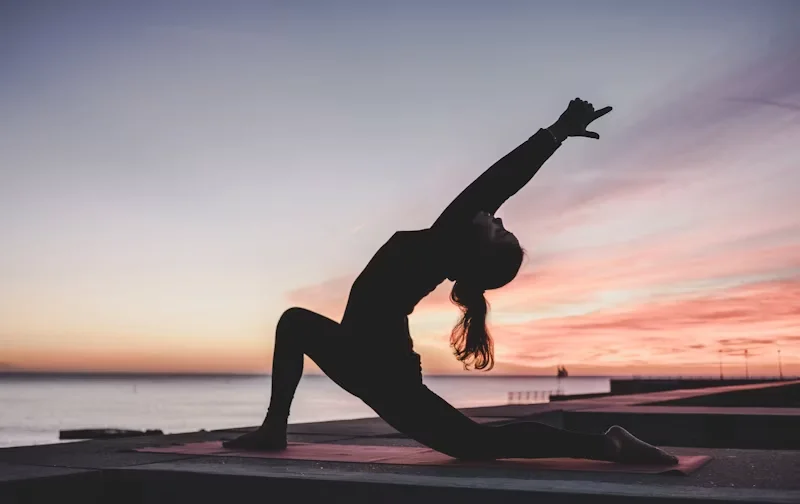
There are a number of reasons why your choice of mat is important
A yoga mat isn’t just a yoga block of foam, it’s a crucial safety device. A good mat will offer:
- Safety & Stability: Helps stop sliding while doing sweaty “hot yoga” or tough balancing yoga poses.
- Aids in Joint Protection: Provides the appropriate cushioning to safeguard your knees, wrists and spine.
- Hygiene: a special space for your personal use that provides a barrier between you and shared studio floors.
- Mindfulness: No more distractions of mat that’s slippery and uncomfortable, so you can focus on breath and alignment.

Choosing the right mat is a key factor to consider, here are four to guide you
1.Material Matters
- Natural Rubber: The gold standard for grips. It’s eco friendly and biodegradable, but may contain a rubber odor and isn’t appropriate for individuals with latex allergies.
- Cork: Naturally antimicrobial and moisture-wicking. Grips even better when wet, perfect for hot yoga.
- PVC (Polyvinyl Chloride): Very durable and offers high ‘stickiness’. It’s something that lasts for a long time if you’re someone that practices every day.
2.How to Select the Best Thickness
- Travel Mats (1.5mm): extremely thin and light. Good for people who travel a lot, but not very well padded.
- Standard Mats (3mm): This is the standard in the industry. Offers a good middle ground for stability and comfort.
- Mats with Cushion (6mm): Ideal for people with sensitive joints or for those who like doing yoga for longer, on the floor.
3. Texture and Grip
Texture provides traction. For restorative yoga a smooth mat is completely acceptable. For those who are practicing Vinyasa or Power yoga, however, opt for one that has a bit of grip or “stickiness” to it so the hands don’t slip on Downward Dog.
4.Eco-Friendliness
Yoga today is more aware. When choosing products, look for non-toxic, PVC free or biodegradable materials if that is what you value in your practice.
Expert Care Tips
To get the longest possible life from your investment:
- Use a drop of mild soap (not abrasive) and water: Clean After Each Use. Don’t use chemicals that will harm the fabric.
- Permanent creases :Can be avoided by rolling your mat loosely, instead of folding.
- Avoid direct sun: UV rays degrade, crack and lose adhesion over time. Keep in a cool dark place.
Conclusion
Choosing the correct yoga mat is a very personal choice, and will differ according to your yoga style. If you are able to balance the material, thickness and your own preferences for the environment, you’ll find that each session is supported, comfortable and safe. The best mat is the one that brings you to the practice each and every day.
Disclaimer
The information in this guide is provided for informational purposes only. Please consult a healthcare professional or certified yoga instructor if you are experiencing chronic joint pain or have any orthopedic concerns, to make sure your practice and equipment is appropriate.
Common questions and answers (FAQ)
Sources & Further Reading
- Yoga Journal: How to Choose a Yoga Mat
- American Council on Exercise (ACE) – Fitness Equipment Safety
- Environmental Working Group (EWG) – Guide to Non-Toxic Materials

Health & Wellness Writer | Research-Informed Health Content Creator
A.K.M. Monjurul Hoque is a health and wellness writer specializing in health, beauty, fitness, nutrition and healthy living. His content is informed by health journals, books, seminars, training programs, and discussions with experienced healthcare professionals. He writes clear, practical and research-informed articles for general education and encourages readers to seek personalized advice from qualified medical professionals.