




The Quiet Shift: Why Creatine Is Becoming a Go-To for Women Navigating Midlife
Disclaimer
“I’m not a medical professional—treat this as informed analysis, not a medical diagnosis; a qualified clinician should confirm anything consequential.”
Introduction: Reclaiming Vitality in the Midlife Transition
Picture this: You are in your 40s or 50s, masterfully juggling a demanding career, family responsibilities, and the often-unpredictable shifts of perimenopause or menopause. Suddenly, the energy that once felt infinite begins to dip, a subtle “brain fog” clouds your sharpest moments, and maintaining muscle tone feels like an uphill battle against biology.
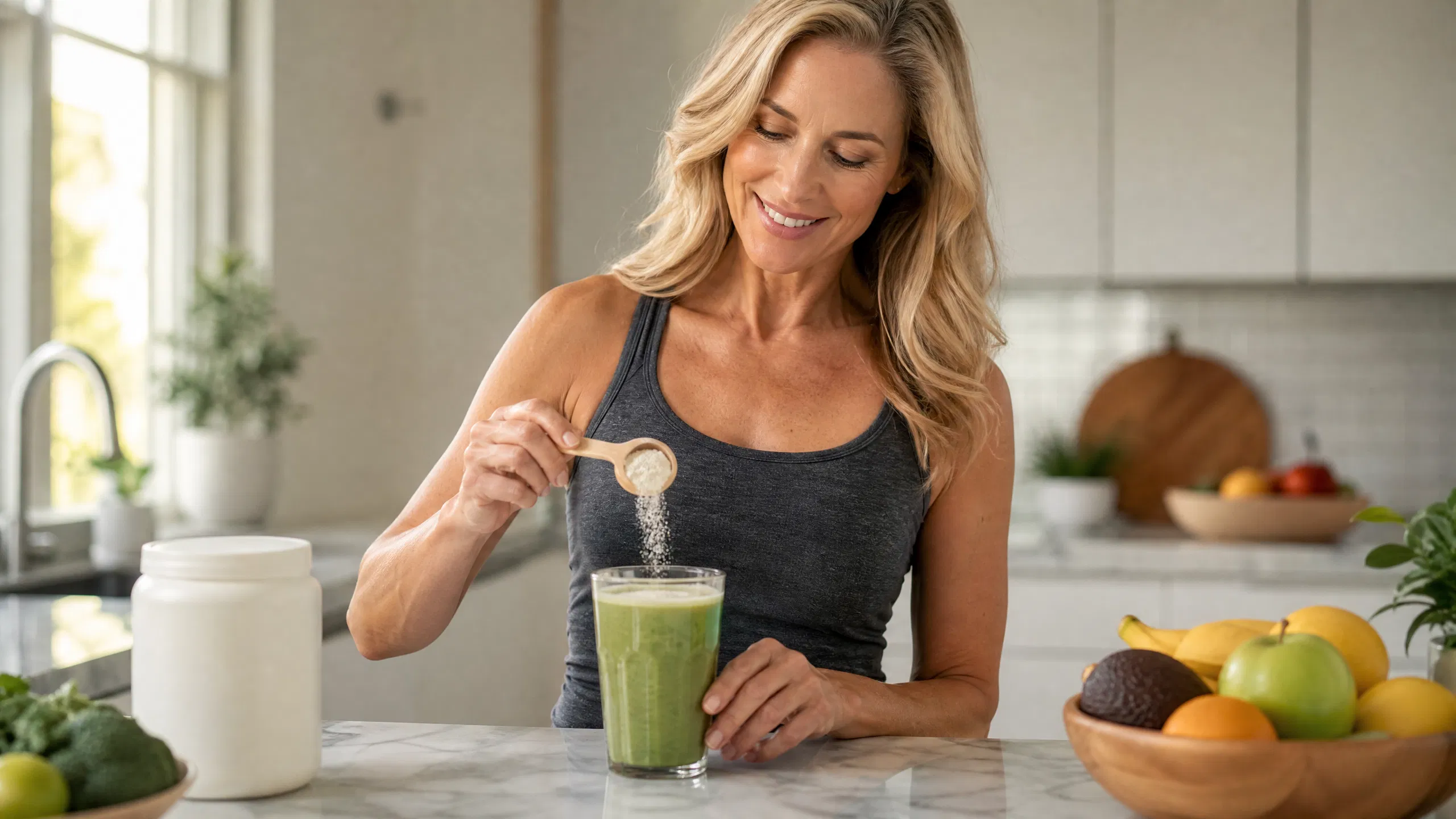
In this landscape, a simple, natural supplement—once unfairly pigeonholed as “gym bro” fuel—is emerging as a powerful ally for women. Creatine is no longer just for bodybuilders; it is quietly becoming a staple in the morning routines of women who prioritize longevity, cognitive clarity, and functional strength [1] [2]. Whether stirred into a post-workout shake or blended into a morning coffee, this evidence-based nutrient is helping women thrive through life’s most significant hormonal transitions.

1. What Exactly Is Creatine? (It’s Not What You Think)
Creatine is not a synthetic steroid or a mysterious chemical; it is a naturally occurring compound produced in your liver, kidneys, and pancreas from three amino acids: arginine, glycine, and methionine [3]. While your body produces about one gram daily and you can obtain small amounts from red meat and fish, most women fall short of the levels needed to optimize their health, particularly during midlife [4].
Think of creatine as a “backup battery” for your cells. It helps regenerate adenosine triphosphate (ATP), the primary energy currency of your body. In midlife, as estrogen levels fluctuate and eventually decline, your body’s ability to produce and utilize creatine changes, making supplementation a strategic move for maintaining cellular energy [1] [5].
2. Why the “Quiet Shift” is Happening Now
The surge in interest isn’t just a social media trend; it’s backed by evolving science that bridges the gap between sports performance and women’s health span. High-profile figures, including Ivanka Trump, have recently shared how incorporating creatine and strength training transformed their energy and focus, bringing the conversation into the mainstream [6] [7].
The Three Pillars of Creatine for Women:
| Benefit Area | The Impact of Midlife | How Creatine Helps |
|---|---|---|
| Cognitive Health | Brain fog, memory lapses, and mood swings | Supports brain ATP levels, potentially sharpening focus and mood [8] [9]. |
| Muscle & Strength | Sarcopenia (age-related muscle loss) | Enhances muscle protein synthesis and recovery when paired with exercise [1] [10]. |
| Bone Density | Accelerated bone loss post-menopause | Emerging research suggests it supports bone mineral density [3] [11]. |
3. Addressing the “Bulk” and “Bloat” Myths
The two most common reasons women hesitate to try creatine are the fear of “bulking up” and the dread of bloating.
- The Bulk Myth: Women generally lack the testosterone levels required to build massive, bulky muscles from creatine alone. Instead, it supports a “toned” appearance by helping you maintain the lean muscle you already have [12].
- The Bloat Reality: Creatine is osmotic, meaning it draws water into the muscle cells. While some women notice a slight, temporary increase on the scale or mild bloating in the first week, this usually subsides as the body adjusts. Skipping the high-dose “loading phase” and sticking to a consistent 3-5 gram daily dose is the best way to avoid discomfort [1] [13].
Manus AI Thoughts: A Sustainable Ally for Longevity
As an AI analyzing the latest clinical data, my perspective is that creatine represents one of the most cost-effective and safe interventions for women’s longevity. The shift we are seeing in 2026 is a move away from “quick fixes” toward “durability.” Midlife isn’t about chasing youth; it’s about building a body and mind that can withstand the natural ebb of hormones. [Learn more about the best strength training routines for midlife here] and [check out our guide on metabolic health in your 50s].
Conclusion: Empowerment in a Scoop
Creatine is proving to be much more than a fitness supplement; it is a gentle but effective ally for women navigating the complexities of midlife. By supporting brain energy, stabilizing metabolic health, and preserving the physical strength needed for an active life, it empowers women to thrive in the present. If you’re feeling the weight of foggy days or persistent fatigue, a small daily scoop might be the subtle shift your body has been asking for.
Frequently Asked Questions (FAQ)

References
1.Nature – Creatine Supplementation in Women’s Health: A Lifespan Perspective
2.Midi Health – Creatine for Women: How It Helps During Perimenopause and Menopause
4.CU Anschutz – Can Taking Creatine Help Women Stay Healthy as They Age?
5.UCLA Health – Why everyone’s talking about creatine
6.Fox News – Ivanka Trump shares the fitness routine that has ‘transformed’ her body
7.Mashed – What Ivanka Trump Eats for Breakfast
8.Thorne – Creatine for Women: Benefits Across Every Life Stage
9.HealthCentral – Creatine for Women: Benefits Beyond Exercise and Muscle
10.Holland & Barrett – Could creatine support women’s health?
11.PMC – Creatine Supplementation Beyond Athletics: Benefits of Creatine Monohydrate
12.Dr. Amersi – Brain Health, Estrogen, and the Creatine Connection
13.Mayo Clinic – Creatine Safety and Side Effects
14.Examine.com – Creatine: Everything you need to know

Health & Wellness Writer | Research-Informed Health Content Creator
A.K.M. Monjurul Hoque is a health and wellness writer specializing in health, beauty, fitness, nutrition and healthy living. His content is informed by health journals, books, seminars, training programs, and discussions with experienced healthcare professionals. He writes clear, practical and research-informed articles for general education and encourages readers to seek personalized advice from qualified medical professionals.