





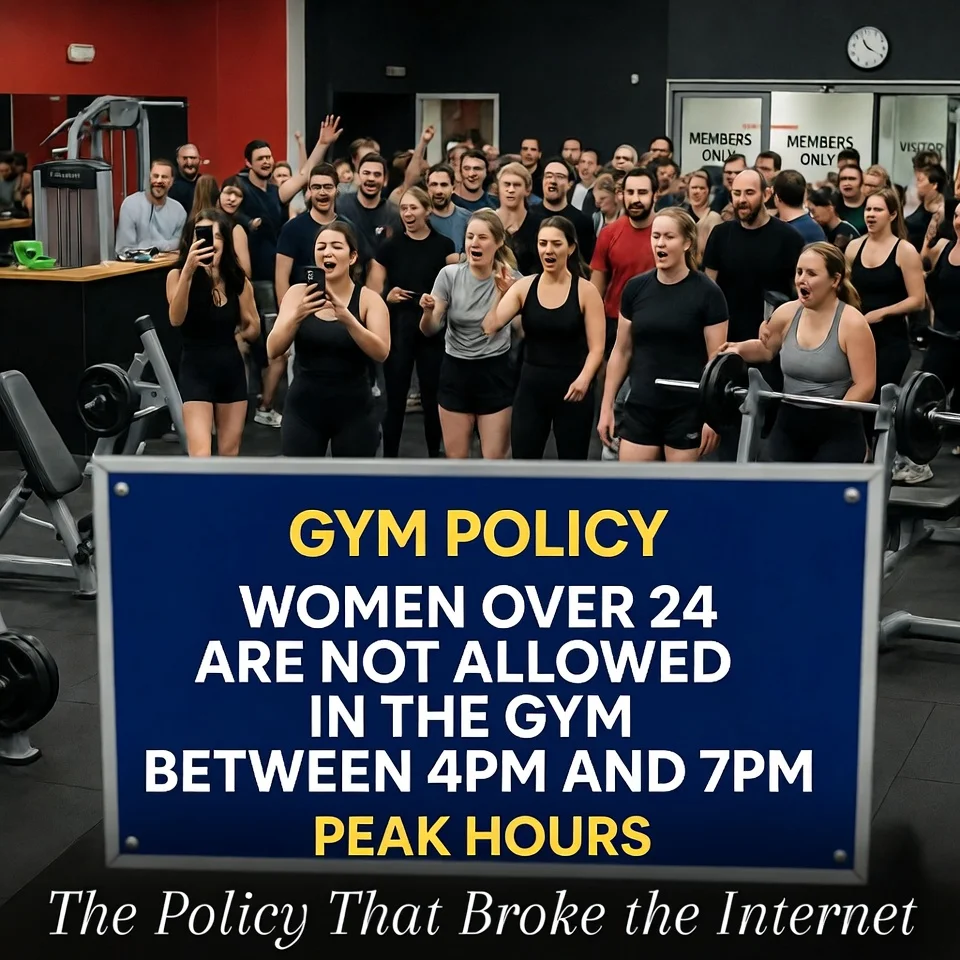
UK Gym Bans Women Over 24 From 4-7pm Peak Hours: Viral Backlash & Outrage (2025)
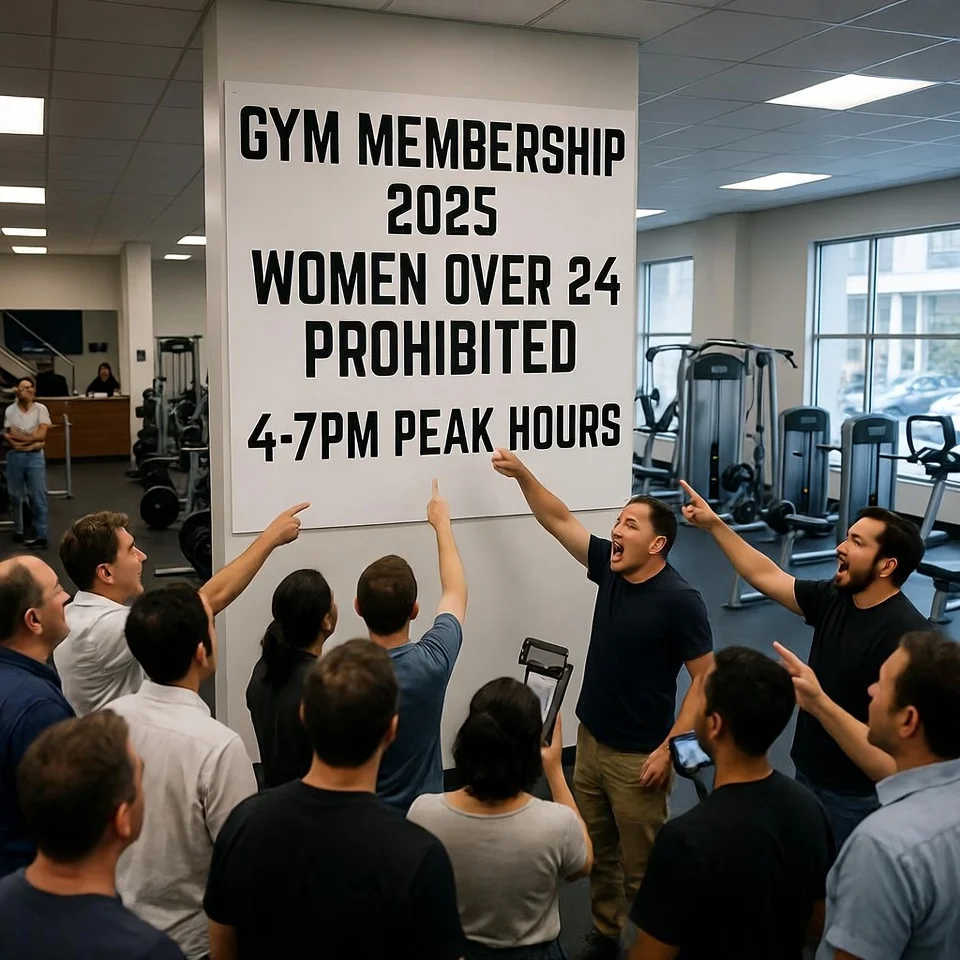
How an “inclusive” policy became fitness discrimination’s biggest controversy

Imagine finishing a long workday, rushing to your gym in workout gear, only to be turned away at the door because you’re 25 years old. Too old, apparently, for the 4-7pm time slot you’ve been using for months. This isn’t dystopian fiction—it’s the reality thousands of British women faced when their gym introduced a shocking new age restriction policy in mid-2025.
A UK fitness facility has ignited a firestorm of controversy by implementing a policy that reserves prime evening hours exclusively for females between 12 and 24 years old. Women in their late twenties, thirties, forties, and beyond suddenly found themselves locked out of the very time slots that made their memberships worthwhile.
The Policy That Broke the Internet

In June 2025, gym members received a message that would launch thousands of angry posts across social media platforms. The announcement stated that beginning June 30th, the facility would be accessible only to females aged 12-24 during weekday evenings from 4:00 PM to 7:00 PM. The justification? Creating a dedicated, comfortable space for younger female members during after-school hours.
The Critical Change: Previously, this gym operated as a women-only space from 9am to 7pm daily. The new policy carved out the busiest three-hour window exclusively for under-25s, effectively pushing older members into early morning slots or post-7pm mixed-gender hours.
The backlash was immediate and explosive. Within hours, the story dominated Mumsnet forums, Reddit threads, Twitter debates, and TikTok commentary. The original “Am I Being Unreasonable?” post on Mumsnet garnered thousands of responses, with overwhelming support for the affected women.
Why This Policy Sparked Such Fury

1. Prime Time Becomes Prohibited Time
The 4-7pm window isn’t random—it’s precisely when working professionals can actually visit the gym. Office workers, teachers, healthcare professionals, and shift workers finishing their day rely on these exact hours. For many women, this was the only realistic time to exercise while balancing career and family responsibilities.
2. The Age Cutoff Feels Arbitrary and Insulting
Why 24? Critics immediately questioned the logic. A 25-year-old doctor finishing her hospital shift gets barred, while a 24-year-old university student with flexible schedules gets access. A 35-year-old mother trying to prioritize her health is excluded, but a 16-year-old has full privileges. The mathematical line felt not just arbitrary but actively discriminatory.
“They’ve essentially told paying members: you’re too old for our best hours. It’s age discrimination dressed up as progressiveness,” commented one affected gym-goer on social media.
3. No Viable Alternatives
Being pushed to 7am slots or post-7pm hours isn’t a minor inconvenience—it’s often impossible. Morning hours conflict with school drop-offs and early work commitments. Evening hours after 7pm compete with dinner, childcare, and the natural desire to wind down after work. For many women, losing 4-7pm meant losing gym access entirely.
4. The Optics Are Terrible
Social media erupted with pointed observations. Users highlighted the irony of a policy that claims to support women while actively excluding the majority of adult women. Comments like “They turned ‘ladies only’ into ‘teenagers only’ and called it progressive” captured the sentiment perfectly.
The Gym’s Defense: Addressing Teen Dropout Rates

To be fair, the gym’s stated intention addresses a genuine issue. Research consistently shows that teenage girls drop out of physical activity at alarming rates, often citing body image concerns, intimidation, and discomfort exercising around older or more experienced women. Creating safe, judgment-free spaces for young women has merit as a goal.
Supporters of the policy argue that private businesses regularly offer specialized sessions—senior hours, beginner classes, and women-only swimming times. They contend that a youth-focused slot follows this same principle of targeted programming.
However, critics counter that there’s a massive difference between offering optional specialized classes and monopolizing fifteen hours per week of prime time. The scope and duration set this policy apart from typical niche programming.
Legal Questions: Is This Actually Allowed?

Under the UK Equality Act 2010, age is indeed a protected characteristic. However, the legal landscape for private gyms differs significantly from employment or housing contexts. Private fitness facilities generally have considerable latitude in how they structure their offerings and access.
Most legal experts consulted by media outlets suggested the policy likely falls within permissible bounds since the gym isn’t refusing membership entirely—just restricting certain hours. However, the situation becomes murkier when considering membership contracts that may promise “reasonable access” to facilities.
What Happened Next: Many affected members successfully argued that the policy fundamentally altered their membership terms. Gyms facing these challenges often provided partial refunds or allowed contract cancellations without penalty, tacitly acknowledging the problematic nature of the restrictions.
The Broader Conversation: Inclusion vs. Exclusion

This controversy perfectly encapsulates a growing tension in 2025’s approach to diversity and inclusion. Well-intentioned efforts to create safe spaces for one demographic sometimes create hostile or inaccessible environments for others. The question becomes: at what point does targeted inclusion become problematic exclusion?
The gym situation demonstrates how policies can backfire when they fail to consider their full impact. While helping teenage girls stay active is admirable, doing so by displacing the working women who form the membership base creates more problems than it solves.
What Could Have Been Done Differently?

Critics and supporters alike have suggested numerous alternatives that might have achieved the gym’s stated goals without the backlash. Options include dedicated classes rather than total facility reservation, splitting the time more equitably (perhaps one evening per week), offering duplicate sessions at different times, or expanding facilities to accommodate both groups simultaneously.
The Market Response

Perhaps the most telling reaction has been commercial. Competing gyms immediately seized the opportunity, marketing themselves with slogans emphasizing “no age restrictions” and “fitness for all women, all hours.” Many affected members voted with their wallets, canceling memberships and moving to facilities that welcomed them regardless of their birth year.
Reports suggest some locations that implemented this policy have quietly paused or modified it after experiencing significant membership losses. Others continue “monitoring feedback”—corporate speak for watching their bottom line.
Frequently Asked Questions
Q: Which specific gym implemented this policy?
The original complainants kept the gym’s identity anonymous to avoid targeted harassment. However, reports indicate similar policies have been tested at various independent and budget gym chains across the UK.
Q: Is it legal to ban women over 24 from certain gym hours?
Generally yes for private fitness facilities, though it operates in a legal grey area. While age is a protected characteristic under UK law, private gyms have significant discretion in structuring their services. However, members have successfully challenged these restrictions based on contract terms.
Q: Have any gyms reversed this policy?
Some locations have reportedly paused or adjusted their age restrictions following member backlash and cancellations. Others maintain the policy while claiming to monitor ongoing feedback and member satisfaction.
Q: Why specifically ages 12-24?
The gym hasn’t provided clear justification for this particular age range. Critics argue it’s an arbitrary line that happens to exclude most working professionals while covering teenagers and university students with more flexible schedules.
Q: What should I do if my gym implements similar restrictions?
Review your membership contract for terms regarding facility access. Document how the policy impacts your ability to use the gym. Submit a formal written complaint to management. If unsatisfied with the response, request contract cancellation or a partial refund, and consider switching to a competitor gym.
Q: Could this policy spread to other gyms?
The overwhelmingly negative public reaction and member exodus from affected gyms make widespread adoption unlikely. Most fitness businesses have learned from this controversy that alienating core paying members isn’t a viable business strategy.

Health & Wellness Writer | Research-Informed Health Content Creator
A.K.M. Monjurul Hoque is a health and wellness writer specializing in health, beauty, fitness, nutrition and healthy living. His content is informed by health journals, books, seminars, training programs, and discussions with experienced healthcare professionals. He writes clear, practical and research-informed articles for general education and encourages readers to seek personalized advice from qualified medical professionals.