




What is the Difference between Vitamin A, B, C And D?
Vitamin A is important for vision and immune function. Vitamin B helps to make energy and think more clearly.
Vitamin C boosts the immune system and skin health. Vitamin D helps the body absorb calcium and is important for bone health. Vitamins are an integral part of any nutritional system and are extremely vital to the overall health of the body. Vitamin A is renowned for its advantages to vision and immune function.
Vitamin B refers to a family of vitamins which are important in brain function and energy production. Vitamin C, known for its antioxidant properties, is beneficial to the immune system and skin health. Vitamin D helps to absorb calcium and is essential for healthy bones and teeth. Each vitamin has its own special roles and a well-balanced diet is necessary to get these vitamins. Knowing these differences can aid in selecting the proper foods and supplements for best health.
Vitamin A
Vitamin A is crucial for the health of eyes. It enables you to see in dim light. It is needed for your immune system to function properly.
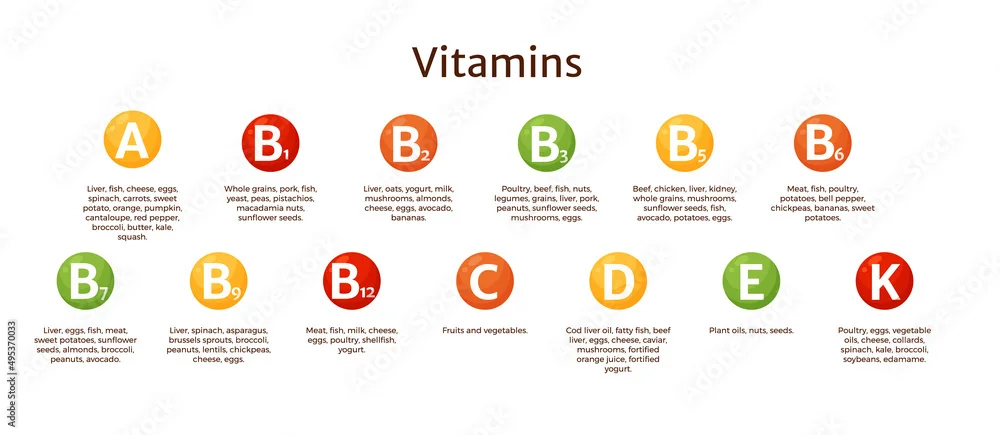
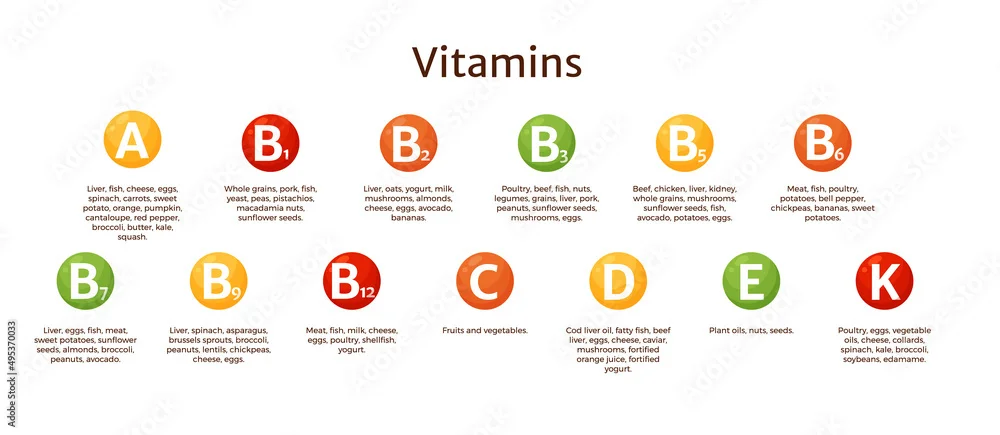
This also aids organs to function properly. Carrots and sweet potatoes are a source of vitamin A. Also available in spinach and kale. Eggs and milk are other good sources.
Vitamin A deficiency can cause night blindness and dry skin. The incidence of infections can rise. It also can cause reduced growth in children.

Vitamin B
Vitamin B aids your body in the production of energy. It helps maintain your brain’s health and alertness. It is needed for your nerves to function properly. It also plays a role in the production of red blood cells.
Vitamin B comes in 8 different forms. These are B1, B2, B3, B5, B6, B7, B9 and B12. Each works in a different way to benefit the body.
Foods like eggs, meat and fish, are good sources of vitamin B. It is also found in dairy products. Other vegetables such as beans and peas are also good sources.
If you don’t get enough vitamin B, you may feel tired. Your skin may get dry. You might experience memory loss. Your muscles may also become weak.

Vitamin C
Vitamin C is important for boosting the immune system. Promotes tissue repair and wound healing. This vitamin also helps as an antioxidant that helps prevent cell damage. It enhances the uptake of iron from plant foods.
Citrus fruits, such as oranges and lemons, are good sources of vitamin C, as are strawberries, kiwi and capsicums. Broccoli and spinach are also good sources. Other sources are foods and supplements with a high vitamin C content.
Vitamin C deficiency can cause scurvy, exhaustion and gum disease. Skin problems like sores and dryness can occur. Slow healing of wounds. The immune system also becomes weaker, allowing infections to occur.

Vitamin D
Vitamin D aids in calcium absorption. It strengthens bones. It also boosts immune system. Helps regulate muscle activity and brain cell activity. Vitamin D can also help to decrease inflammation.
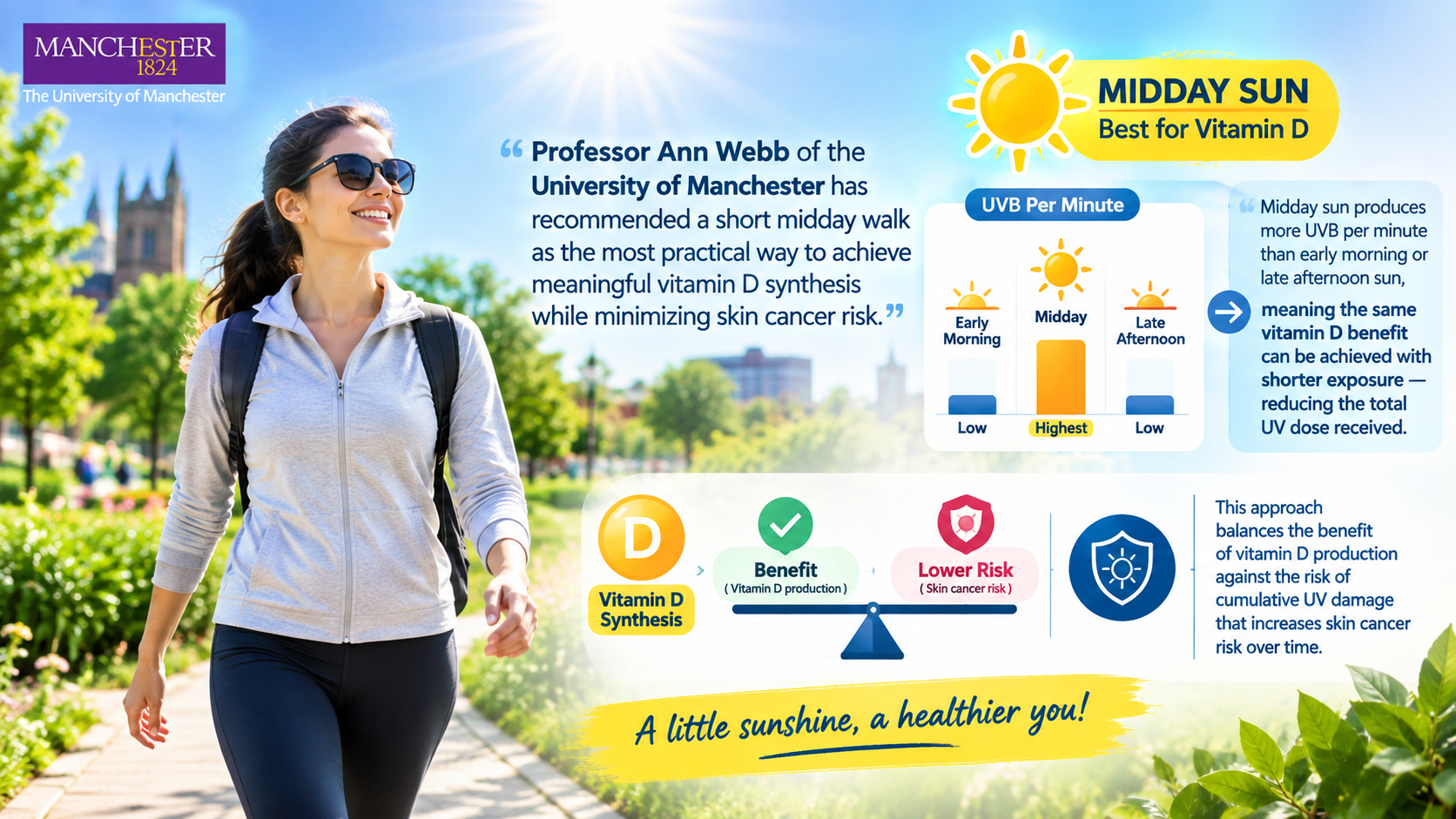
Salmon, mackerel and other fish are a great source of vitamin D, as is the sun and eggs and cheese in small amounts.
Vitamin D deficiency can make bones weak. This may cause diseases such as rickets in children. Osteoporosis can occur in adults. They can be fatigued and weak. You can experience hair loss and even skin issues.

Comparison Of Functions
Vitamin A is crucial for good vision. It also helps to keep the skin healthy. Vitamin C is important for helping with the repair of the skin, as well as collagen production.
Vitamin B complex helps in the process of energy production. It assists with the breakdown of carbohydrates, proteins and fats. Vitamin D is not metabolically important.
Vitamin C is an important immune system booster. Promotes healing of wounds. Vitamin D also increases immunity. Vitamin A helps to fight infections.
Vitamin D is essential to bone health. It aids in calcium absorption. Vitamin C is involved in the formation of collagen, which is beneficial for the bones. Vitamin A is also required for bone development..
Dietary Sources Comparison
There are animal and plant sources for vitamin A. Liver and dairy products are good sources.
Most of the Vitamin B is present in animal tissues such as eggs and meat. Vitamin B is also found in some plants, such as beans and nuts.
Fruits and vegetables are primarily sources of Vitamin C. Oranges and strawberries contain a lot of vitamin C.
Fish and egg yolk are a good source of Vitamin D. Other sources of vitamin D include some plants, such as mushrooms.
Vitamin supplements can be used to obtain vitamins when they are not provided in the diet. These supplements tend to include vitamins A, B, C and D.
Fish liver oil can be used to provide vitamin A supplements. B vitamin supplements frequently contain more than one B vitamin.
Vitamin C can be taken in a supplement as ascorbic acid. Vitamin D supplements are usually in the form of vitamin D3.
Deficiency Symptoms Comparison
Night blindness is caused by deficiency of Vitamin A. A lack of vitamin B can cause tiredness and weakness. Bleeding gums may be due to a deficiency of vitamin C. A lack of vitamin D may cause bone pain.
Inadequate Vitamin A can lead to poorer eyesight. Long-term Vitamin B deficiency can cause nerve damage. Scurvy is a condition which results from severe Vitamin C deficiency. Osteoporosis can be caused by a lack of vitamin D.
Internal Links
Extranal Links
- National Institutes of Health (NIH) – Office of Dietary Supplements https://ods.od.nih.gov/
- World Health Organization (WHO) – Healthy Diet https://www.who.int/news-room/fact-sheets/detail/healthy-diet
- Centers for Disease Control and Prevention (CDC) – Nutrition https://www.cdc.gov/nutrition/
Conclusion
It’s essential that you know the difference between Vitamin A, Vitamin B, Vitamin C and Vitamin D, and why they’re important to you. Every vitamin has a different function in your body. Also, eat foods containing a mix of these vitamins. This will help you stay as healthy and as fit as possible.
Be aware and stay well!
Frequently Asked Questions

Health & Wellness Writer | Research-Informed Health Content Creator
A.K.M. Monjurul Hoque is a health and wellness writer specializing in health, beauty, fitness, nutrition and healthy living. His content is informed by health journals, books, seminars, training programs, and discussions with experienced healthcare professionals. He writes clear, practical and research-informed articles for general education and encourages readers to seek personalized advice from qualified medical professionals.