




Discovering the Hidden Connection: Insulin Resistance Blood Tests and Forecasting Alzheimer’s Advancement
In the realm of neurodegenerative diseases, Alzheimer’s stands out as a formidable challenge, affecting millions worldwide with its progressive memory loss and cognitive impairment. Recent breakthroughs in medical research have unveiled an unexpected ally in early detection and progression prediction: a straightforward blood test for insulin resistance. This test, which measures how well your body responds to insulin, could offer crucial insights into how quickly Alzheimer’s might advance in its early stages. By identifying metabolic markers linked to brain health, healthcare providers may soon personalize treatment plans more effectively, potentially slowing down the disease’s impact.
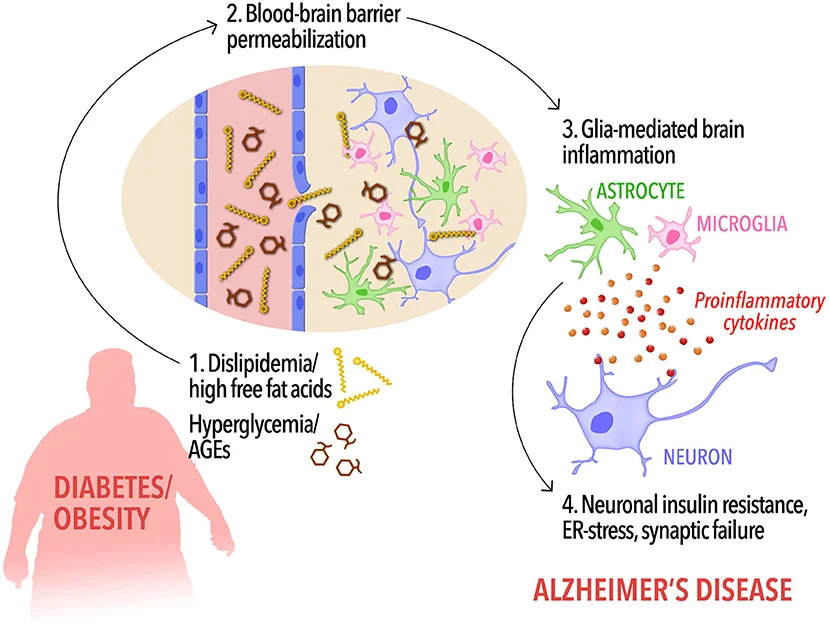
Imagine a simple routine check-up revealing not just your metabolic health but also clues about your brain’s future. Insulin resistance, often associated with type 2 diabetes, occurs when cells don’t respond properly to insulin, leading to elevated blood sugar levels. Emerging studies suggest this condition plays a pivotal role in Alzheimer’s pathology, sometimes dubbing the disease “type 3 diabetes” due to similar brain insulin signaling disruptions. High insulin resistance has been correlated with increased amyloid plaque buildup in the brain, a hallmark of Alzheimer’s.
One of the most promising tools in this area is the triglyceride-glucose (TyG) index, derived from standard blood tests measuring triglycerides and fasting glucose. This index serves as an accessible proxy for insulin resistance without needing more complex procedures. According to findings presented at the European Academy of Neurology Congress in 2025, patients with early Alzheimer’s and elevated TyG levels were over four times more likely to experience swift cognitive deterioration compared to those with lower levels. Rapid decline was defined as losing more than 2.5 points annually on the Mini-Mental State Examination, a common tool for assessing cognitive function.
What makes this discovery particularly exciting is its specificity to Alzheimer’s. In contrast, the same insulin resistance markers didn’t predict progression in other neurodegenerative conditions, highlighting a unique metabolic pathway in Alzheimer’s brains. Factors like cardiovascular risks and blood-brain barrier integrity are also intertwined with high TyG scores, suggesting broader implications for holistic health management. For non-diabetic individuals, this test could be a game-changer, allowing early interventions such as lifestyle changes, dietary adjustments, or even repurposed diabetes medications to mitigate risks.

Frontiers | Insulin Resistance in Alzheimer’s Disease
The practical side of this test is equally appealing—it’s low-cost and widely available, making it feasible for routine screenings in primary care settings. Researchers analyzed data from hundreds of patients with mild cognitive impairment, dividing them into groups based on TyG tertiles. Those in the highest group faced significantly accelerated memory loss, underscoring the test’s predictive power. This could pave the way for targeted clinical trials, where high-risk patients receive priority for novel therapies aimed at metabolic pathways.
Conclusion
The intersection of metabolic health and brain function opens new doors in the fight against Alzheimer’s. By leveraging a simple insulin resistance blood test like the TyG index, we can gain foresight into disease progression, empowering patients and doctors to act proactively. While more research is needed to refine these tools and integrate them into standard care, the potential to transform outcomes for those at risk is immense. Prioritizing metabolic wellness today might just safeguard cognitive vitality tomorrow.
FAQ
What is the TyG index, and how does it relate to Alzheimer’s?
The TyG index is a calculation from blood triglyceride and glucose levels that estimates insulin resistance. In early Alzheimer’s, higher TyG values signal a greater chance of faster cognitive decline due to impaired brain insulin signaling.
Can anyone get this blood test for Alzheimer’s prediction?
Yes, it’s a routine blood test available through most healthcare providers. However, it’s most relevant for those with early signs of cognitive issues or risk factors like family history. Consult your doctor to see if it’s appropriate for you.
Does insulin resistance cause Alzheimer’s?
It’s not a direct cause, but strong links exist. Insulin resistance may exacerbate amyloid buildup and inflammation in the brain, accelerating progression in susceptible individuals. Managing it through diet and exercise could help reduce risks.
Are there treatments if the test shows high insulin resistance?
Options include lifestyle modifications like a balanced diet, physical activity, and weight management. Some diabetes drugs are being studied for Alzheimer’s benefits, but always discuss with a healthcare professional.
How accurate is this test in predicting Alzheimer’s advancement?
Studies show it’s promising, with high TyG levels indicating up to four times the risk of rapid decline in early cases. It’s not 100% predictive on its own and should be used alongside other diagnostics.

Health & Wellness Writer | Research-Informed Health Content Creator
A.K.M. Monjurul Hoque is a health and wellness writer specializing in health, beauty, fitness, nutrition and healthy living. His content is informed by health journals, books, seminars, training programs, and discussions with experienced healthcare professionals. He writes clear, practical and research-informed articles for general education and encourages readers to seek personalized advice from qualified medical professionals.