





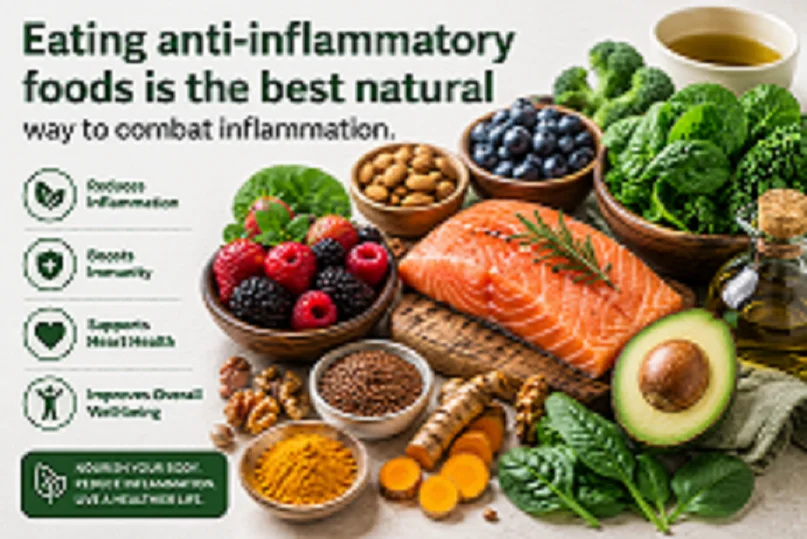
Eating anti-inflammatory foods is the best natural way to combat inflammation.
Find out which foods are anti-inflammatory, the benefits they offer and how to create an anti-inflammatory diet. Discover the benefits of certain foods such as salmon, berries, turmeric and leafy greens that help promote general well-being.

Introduction
Inflammation is a normal reaction of the body’s immune system to injury, infection or to harmful substances. Though inflammation on its own is not a bad thing as it is the body’s way of healing itself, ongoing inflammation can lead to severe diseases like heart disease, type 2 diabetes, arthritis, obesity and some types of cancer.
Diet is one of the best ways to control chronic inflammation. Anti-inflammatory foods contain vitamins, minerals, antioxidants, healthy fats, and plant compounds that can help to diminish inflammation and promote well-being
In this guide, you’ll find the best anti-inflammatory foods, what they can do for you, and how you can incorporate some of them into your diet.
What are Anti-Inflammatory Foods?
Anti-inflammatory foods are foods that are rich in nutrients which can help reduce inflammation markers in the body. They are frequently rich in anti-oxidants, Omega 3 fatty acids, fibre and phytochemicals which help to shield cells from harm and strengthen the immune system.
Eating these foods could help you feel more energetic, maintain a healthy heart, and decrease the chances of developing chronic diseases.
The importance of reducing inflammation.
Chronic inflammation has been associated with many health issues such as:
- Heart disease
- Arthritis
- Diabetes
- Alzheimer’s disease
- Obesity
- Certain cancers
- Digestive disorders
Eating anti-inflammatory foods on a regular basis can have a positive effect on long-term health and help to cut the risk of disease.
Top Anti-Inflammatory Foods
1.Fatty Fish
Fatty fish is one of the best sources of omega 3 fatty acids.
Examples include:
- Salmon
- Sardines
- Mackerel
- Herring
- Tuna
Omega 3 fats, which lower inflammation compounds within the body and are good for the heart.
2.Berries
Berries are packed with antioxidants called anthocyanins, which have anti-inflammatory effects.
Popular choices include:
- Blueberries
- Strawberries
- Raspberries
- Blackberries
They can also help to support brain function and healthy ageing.
3. Leafy Green Vegetables
Dark leafy greens are a source of vitamins, minerals and protective plant compounds.
Best options:
- Spinach
- Kale
- Swiss chard
- Collard greens
Use it for salad dressings, cooking, or drizzling over vegetables.
4. Jaspal Rana Textures for the Scented Baths and Massage Oil 100ml
Extra virgin olive oil is an integral part of the Mediterranean diet.
Benefits include:
- Contains plenty of beneficial monounsaturated fats
- Contains antioxidants
- Supports heart health
- May help to lower inflammation levels
Add to salad dressings, cook in, or drizzle over veggies.
5. Nuts and Seeds
Nuts and seeds are a great source of healthy fats, fibre and antioxidants.
Excellent choices:
- Walnuts
- Almonds
- Chia seeds
- Flaxseeds
- Pumpkin seeds
They’re an easy and healthy snack.
6. Turmeric
Turmeric is a natural compound that contains curcumin, an anti-inflammatory compound.
Researchers recommend taking curcumin daily, in combination with black pepper for maximum absorption, to help lower inflammation.
7. Tomatoes
Lycopene, a potent antioxidant found in tomatoes, can help lower inflammation and promote heart health.
Cooked tomatoes may offer a higher bioavailability of lycopene than raw tomatoes.
8. Green Tea
The polyphenols and antioxidants in green tea may act as anti-inflammatory and anti-oxidant.
It has been linked to various health benefits, such as metabolic health, when consumed regularly.
9. Avocados
Avocados contain:
- Healthy monounsaturated fats
- Potassium
- Fiber
- Antioxidants
These nutrients can help maintain general health and well-being and may help reduce inflammation.
10. Cruciferous Vegetables
Cruciferous vegetables are a good source of sulfur containing compounds which may provide protection against chronic disease.
Examples:
- Broccoli
- Cauliflower
- Brussels sprouts
- Cabbage
These vegetables make for great additions to an anti-inflammatory eating plan!
Some foods may be inflammatory:
May also benefit from restricting some foods.
Examples include:
- Sugary beverages
- Highly processed foods
- Refined carbohydrates
- Excessive alcohol
- Processed meats
- Trans fats
Balance and moderation are important to a healthy diet.
This Anti-Inflammatory Meal Plan is to be used as a sample plan only.
Breakfast
Greek yogurt, blueberries, chia seeds and walnuts.
Lunch
Grilled salmon, avocado and olive oil salad.
Snack
Some green tea and a few almonds.
Dinner
Baked salmon with turmeric, roasted broccoli and quinoa.
Anti-Inflammatory Diet – 10 tips to follow:
- Consume increased amount of fruits and vegetables.
- Add in foods that contain omega 3 fats once a week.
- Give up processed snacks and opt for nuts and seeds instead.
- Use olive oil rather than highly processed oils to fry.
- Stay hydrated.
- Avoid excessive sugar and processed foods.
Internal Link
Authoritative Sources
- Mayo Clinic – Anti-Inflammatory Foods
- National Center for Biotechnology Information (NCBI)
- Academy of Nutrition and Dietetics
Conclusion
Anti-inflammatory foods can be a vital part of a healthy diet and help prevent chronic diseases. Through prioritizing nutrient dense foods like fatty fish, berries, leafy greens, olive oil, nuts, and vegetables, you can develop a healthy eating routine that supports your body and mind.
In many cases, the smallest dietary changes over a long period of time can be the most beneficial for health in the long run.
Frequently Asked Questions (FAQs)

Health & Wellness Writer | Research-Informed Health Content Creator
A.K.M. Monjurul Hoque is a health and wellness writer specializing in health, beauty, fitness, nutrition and healthy living. His content is informed by health journals, books, seminars, training programs, and discussions with experienced healthcare professionals. He writes clear, practical and research-informed articles for general education and encourages readers to seek personalized advice from qualified medical professionals.