





Probiotic foods: the complete guide to improving gut health naturally
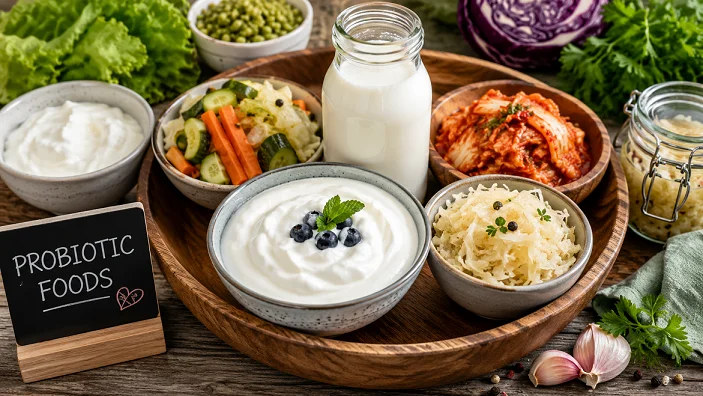
Learn the top foods to eat for your gut, digestive system,immunity,y and health. Discover the advantages, the richest sources, and how to incorporate them into your diet.
What are probiotic foods?
Probiotic foods are those foods that have live microorganisms (good bacteria). These microorganisms are useful in maintaining a balance of bacteria that aids in digestion, the absorption of nutrients and the function of the immune system.
Probiotic foods are becoming a hot topic in recent years with scientific studies indicating that a healthy gut microbiome can help promote good health. Because of this, lots of people are now incorporating foods that are rich in probiotics into their diet to promote a healthy gut and digestive health naturally.
What is the Significance of the Probiotic Foods?
The human digestive tract contains trillions of microorganisms that form the gut microbiome. Poor diet, illness and stress or antibiotics can upset this balance and cause digestive issues.
Probiotics foods can help:
- Support healthy digestion
- Balance gut microbiome
- Enhance immune function
- Minimise some digestive upset from time to time
- Improve nutrient absorption
- Support overall wellness
The best probiotic foods to add to your diet.
1. Yogurt
Yogurt is one of the most popular probiotic foods worldwide. Produced from milk using good bacteria.
Benefits:
- Supports digestive health
- Rich in protein and calcium
- Easy to incorporate into daily meals
2. Kefir
Kefir is a tangy drinkable yogurt made of milk with a variety of good bacteria and yeasts.
Benefits:
- Contains diverse probiotic strains
- Supports gut health
- Rich in vitamins and minerals
3. Sauerkraut
Sauerkraut is made from fermented cabbage and is a good source of natural probiotics.
Benefits:
- High in fiber
- Rich in vitamins C and K
- Supports digestive wellness
4. Kimchi
Kimchi is a Korean traditional fermented vegetable dish.
Benefits:
- Contains beneficial bacteria
- Rich in antioxidants
- Supports digestive and immune health
5. Miso
Miso is a fermented soybean paste that is a key ingredient in Japanese cooking.
Benefits:
- Contains probiotics
- Provides plant-based nutrients
- Adds flavor and nutrition to meals
6. Tempeh
Tempeh is a soybean fermented product which is high in protein.
Benefits:
- Plant-based protein source
- Supports digestive health
- Suitable for vegetarian diets
7. Pickles (Naturally Fermented)
Naturally fermented pickles have beneficial bacteria that are created in the process of fermentation.
Benefits:
- Low-calorie snack
- Supports gut microbiome diversity
- Easy to add to meals
Probiotic foods: health benefits.
Improved Digestion
Probiotic foods keep the digestive system in good health and can aid regular bowel functioning and lessen the occasional digestive discomfort.
Enhanced Immune Function
10-20% of the immune system is linked to the gut. A balanced microbiome can help to ensure normal immune function.
Better Nutrient Absorption
Good bacteria in the gut help the body to absorb nutrients efficiently from food.
Support When Taking Antibiotics.
Antibiotics have a negative impact on the good bacteria in the gut. There is some evidence that probiotics may help re-establish a balance of microorganisms following antibiotic use.
Possible Mental Health Gains.
Recent studies have suggested that there is a link between gut and brain health, known as the “gut-brain axis.
The 5 Best Probiotic Foods to Incorporate into Your Diet
Incorporating probiotic foods into your diet is easy:
- Have some yogurt as a part of your breakfast.
- Have kefir as a snack!
- Eat sauerkraut in sandwiches.
- Add kimchi to foods.
- Use miso in soups.
- Use tempeh in place of some meats.
Do so slowly and take it up gradually so that the digestive system can adjust.
Probiotic Foods vs. Prebiotic Foods
Many people confuse probiotics with prebiotics.
| Probiotics | Prebiotics |
| Live beneficial bacteria | Food for beneficial bacteria |
| Found in fermented foods | Found in fiber-rich foods |
| Help maintain gut balance | Help probiotics thrive |
Examples of prebiotic foods include:
- Garlic
- Onions
- Bananas
- Asparagus
- Oats
Combining probiotics and prebiotics can support a healthy gut microbiome.
Internal Linking Opportunities
Sources
- World Health Organization (WHO) – https://www.who.int
- Harvard T.H. Chan School of Public Health – https://www.hsph.harvard.edu
- National Center for Complementary and Integrative Health (NCCIH) – https://www.nccih.nih.gov
- International Scientific Association for Probiotics and Prebiotics (ISAPP) – https://isappscience.org
Conclusion
Probiotics foods are natural and effective ways to promote gut health, digestion and overall wellness. Yogurt, kefir, kimchi, sauerkraut, miso and tempeh are rich in beneficial microorganisms for a healthy gut microbiome. You can make a positive step towards good digestive and overall health by choosing a variety of probiotic foods to eat every day and eating them in conjunction with foods that are rich in prebiotics.
Frequently Asked Questions (FAQs)

Health & Wellness Writer | Research-Informed Health Content Creator
A.K.M. Monjurul Hoque is a health and wellness writer specializing in health, beauty, fitness, nutrition and healthy living. His content is informed by health journals, books, seminars, training programs, and discussions with experienced healthcare professionals. He writes clear, practical and research-informed articles for general education and encourages readers to seek personalized advice from qualified medical professionals.