




Do Weighted Vests Really Deliver on Their Promises?
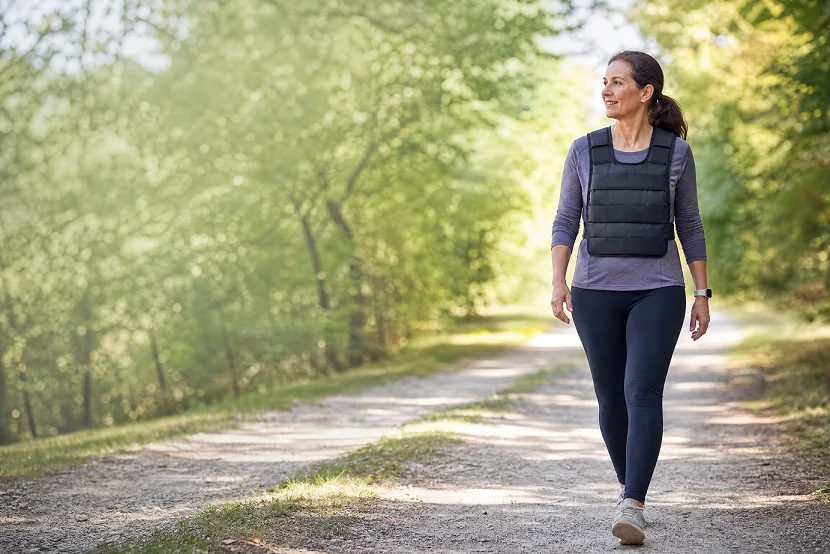
Weighted vests are everywhere. Influencers call them the ultimate fitness tool, saying they can improve posture, help burn more calories, and even strengthen bones—especially for women going through perimenopause or menopause.
But do weighted vests really live up to the hype, or are they just another fitness trend promising an easy fix? Let’s look at what we actually know.
The claim
Supporters say weighted vests can improve posture, help with weight loss, boost heart health, and build stronger muscles and bones.
What the research shows
The science is not as impressive as the social media claims. Movement is generally good for us, but experts warn against overstating what weighted vests can do—particularly when it comes to building bone and muscle strength.
Some small studies suggest that weighted vests may help when used alongside resistance training. However, it is still unclear whether any improvement comes from the vest itself or from the exercises being done at the same time.
For building strength, traditional resistance exercises remain the most reliable option. Examples include bicep curls with dumbbells and squats with a barbell. Exercises like these put enough resistance on the muscles, especially when performed through a full range of motion, to encourage muscle growth.
Walking, whether you wear a weighted vest or not, usually does not place enough stress on the body to cause major muscle growth.
What about menopause?
The interest in weighted vests is understandable for women going through menopause. Bone density can decrease during this stage of life, which can raise the risk of fractures.
Still, experts such as OB-GYN Monica Christmas recommend exercises such as resistance training and Pilates as more effective ways to support bone health.
Nanette Santoro, another OB-GYN who specializes in menopause, is also skeptical of the strong marketing behind many menopause products. She has described weighted vests as a “novelty item” that can give people the impression they are taking charge of their health while mainly making money for the seller.
The possible cardio benefit
Weighted vests are not completely without value. Roger Fielding, an exercise scientist at Tufts University, says that walking with extra weight can increase the amount of energy and oxygen the body uses. In other words, it can make a walk more demanding.
There is also a simple benefit: if wearing a vest motivates someone to move more, it may be useful. For some people, the vest also creates a feeling of confidence and strength. Katie Brodnik, who leads menopause workshops, considers hers a helpful tool for that reason.
The bottom line
Weighted vests may make walking more challenging and could offer some cardiovascular benefits. They may also motivate certain people to stay active. However, current research does not support claims that they significantly improve bone or muscle strength on their own.
If you enjoy wearing a weighted vest and it helps you move more, there is no reason you cannot use one. Just do not treat it as a replacement for proven forms of strength training and other exercises that support bone health.
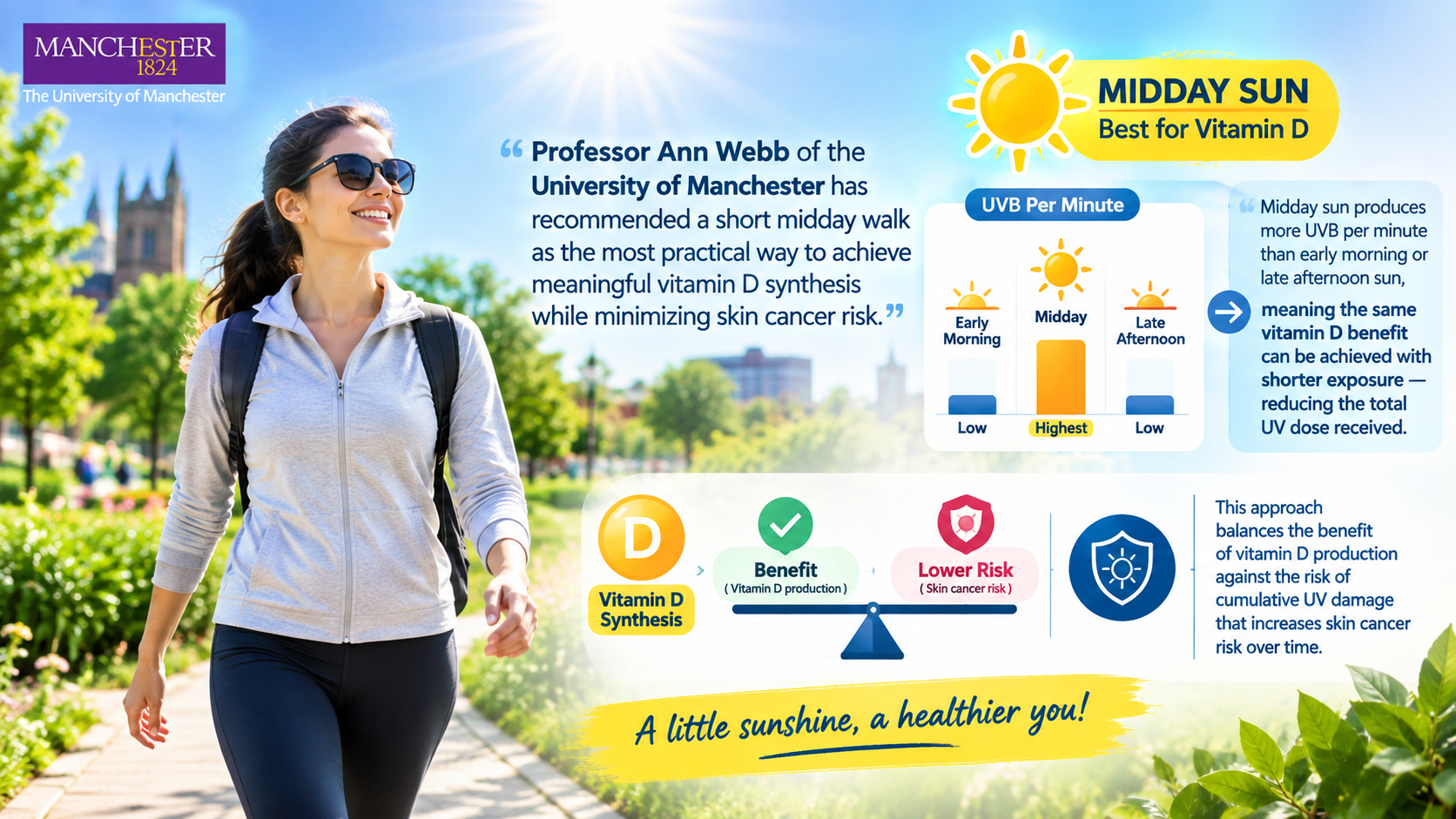
And sometimes, the best option is simply a regular walk without any extra weight—just getting outside and enjoying the sunshine.
Frequently Asked Questions
Disclaimer
This article is for general information only and is not medical advice. Everyone’s health, fitness level, and menopause experience are different. Speak with a doctor, physiotherapist, or other qualified health professional before starting a new exercise program or using a weighted vest, especially if you have joint, back, heart, balance, or bone-health concerns. Stop exercising and seek medical advice if you experience pain, dizziness, shortness of breath, or unusual discomfort.

Health & Wellness Writer | Research-Informed Health Content Creator
A.K.M. Monjurul Hoque is a health and wellness writer specializing in health, beauty, fitness, nutrition and healthy living. His content is informed by health journals, books, seminars, training programs, and discussions with experienced healthcare professionals. He writes clear, practical and research-informed articles for general education and encourages readers to seek personalized advice from qualified medical professionals.