





What is Hmpv: Understanding Symptoms and Prevention
Human Metapneumovirus or HMPV is a type of virus that affects the respiratory system. It affects people of all ages.
HMPV is common in children and adults, with varying degrees of respiratory distress occurring. HMPV was first discovered in 2001. It is in the same family as Respiratory Syncytial Virus. The virus is readily transmitted from person to person by close contacts, coughing, sneezing.
Common cold or flu like symptoms are observed in it. These are such as cough, fever and nasal congestion. In very severe cases, it may lead to bronchitis or pneumonia. Awareness of HMPV is crucial to stop its spread and to help manage the symptoms. This blog will discuss in detail the effects of the virus and ways to protect yourself and others. Be informed, stay healthy.
Introduction To Hmpv
Human Metapneumovirus (Hmpv) is a virus that affects the respiratory system. It is a common virus which can lead to mild to severe respiratory illness. Knowing about this virus is essential to staying healthy and to avoid outbreaks.
What Is Hmpv?
| Symptom | Severity |
|---|---|
| Runny nose | Mild |
| Cough | Moderate |
| Fever | Moderate |
| Wheezing | Severe |
History Of Hmpv
Dutch scientists first found hmpv in 2001. They isolated the virus from samples taken from children who had respiratory infections. Since its discovery, Hmpv has been found around the world and has been recognized as a major cause of respiratory illness.
- Discovered in 2001
- Detected in children with respiratory diseases (infections)
- Found worldwide
History of Hmpv gives us an understanding of the spread and impact of Hmpv. It also helps to make treatments and prevention.
Transmission Of Hmpv
Human metapneumovirus (Hmpv) is a respiratory virus. Primarily occurs in children, elderly and people with compromised immune systems. Knowing how Hmpv spreads is essential to its prevention.
How Hmpv Spreads
Hmpv is spread directly from person to person. It can also be transmitted by coming in contact with a surface that is contaminated with the virus. The virus can spread by an infected person in the air when they cough or sneeze. When these droplets are inhaled, it can lead to infection. The risk of Hmpv transmission is higher in crowded places.
Common Carriers
Hmpv is spread easily by young children. Most frequently acquire the virus in school or day care. Older people are at risk, too. They can also be infected with the virus, but not be aware of it. Those with an immune disorder are more susceptible. They are more likely to spread and carry the virus. Healthcare workers may be carriers as well. They can unknowingly pass on the virus to patients.
Symptoms Of Hmpv
Human Metapneumovirus (Hmpv) is a virus that causes respiratory infection in all ages. Knowing its symptoms may help to identify it early and treat it. In the following section, we will be talking about the early symptoms and severe symptoms of Hmpv.
Early Signs
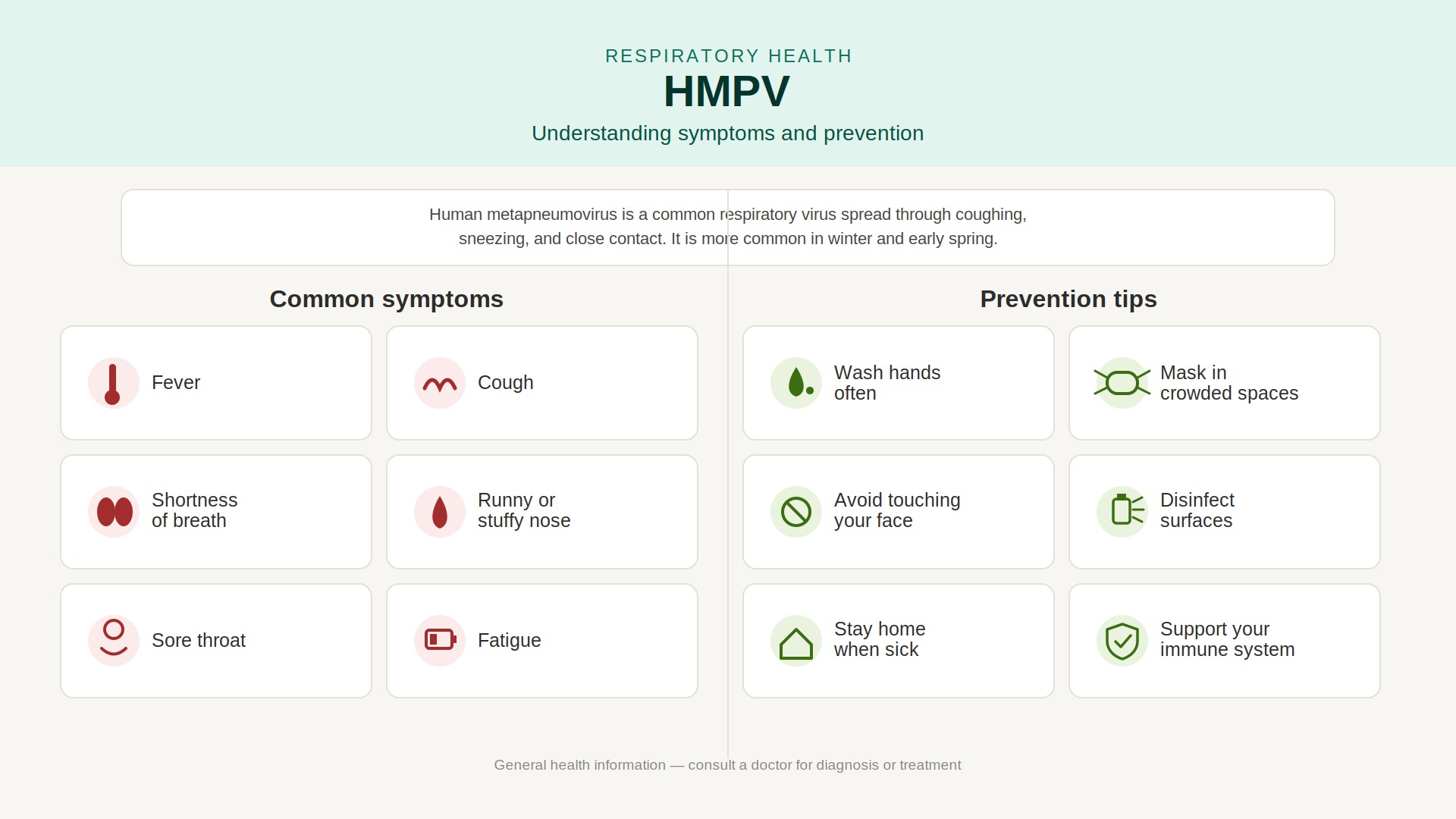
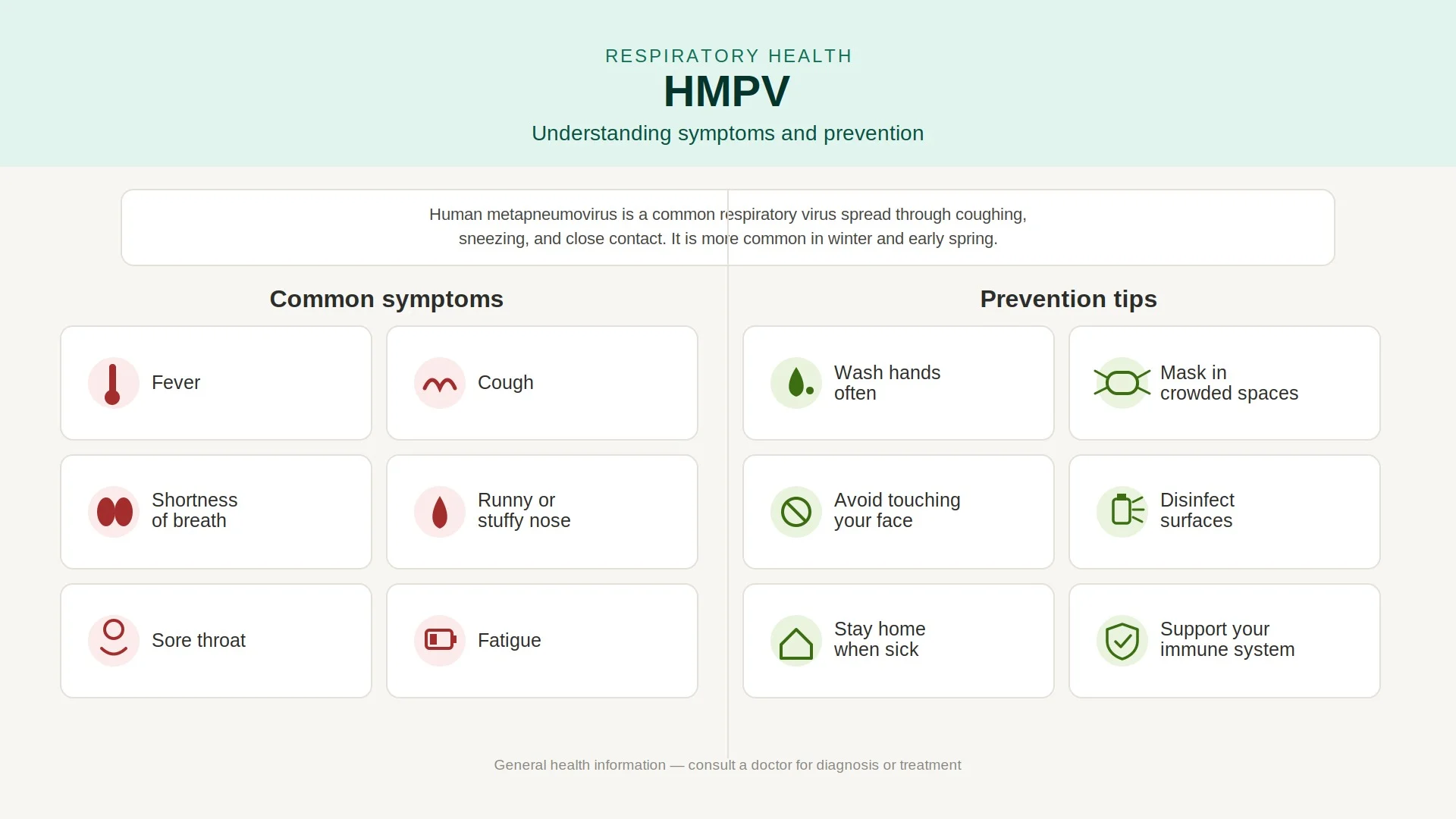
Symptoms of Hmpv may be mild in the beginning. These early symptoms can be more like a cold. There could be a running nose. A weak cough is also a common symptom. There may be a mild fever. These symptoms generally occur within several days of exposure. Another symptom of Hmpv that can occur early is fatigue. Keep an eye out for any of these signs.
Severe Symptoms
Sometimes, Hmpv can cause serious symptoms. Medical attention might be necessary for these symptoms. If breathing is hard, it’s a serious sign. In severe cases, they may wheeze. Also, fever may be high. A cough and chest pain can be worrying, especially if severe. The risk is increased for the elderly and young children. Those with lowered immune systems are more susceptible. It is a serious condition that needs immediate attention for these symptoms.

Diagnosing Hmpv
Human metapneumovirus (Hmpv) is a virus that can cause respiratory infections. There are several steps and tests that are used to diagnose Hmpv. Knowing these can help in early detection and treatment.
Medical Tests
There are various medical tests available for the diagnosis of Hmpv. These tests help to detect the virus in the respiratory system.
- Polymerase Chain Reaction (PCR) Test: This is a test to look for viral RNA. It’s highly accurate and can detect Hmpv in a short time.
- Rapid Antigen Tests: These tests detect proteins of the virus. These are faster than PCR tests but less accurate.
- Viral Culture: This is a test in which the virus is cultivated in a lab. Time consuming, but it is a positive confirmation for the presence of Hmpv.
Common Misdiagnoses
The symptoms of hmpv are like those of other respiratory diseases. This may result in some common misdiagnoses.
- Influenza: Fever, cough and body aches are both associated with Hmpv and the flu.
- Respiratory Syncytial Virus (RSV): Symptoms like wheezing and difficulty breathing can be seen in both Hmpv and RSV.
- Common Cold: Mild hmpv infections are often confused with the common cold because of the symptoms, such as a runny nose and sore throat.
Being diagnosed correctly is essential for the correct treatment. Seek medical attention for extensive testing if symptoms continue.per treatment. If symptoms persist, consult a healthcare provider for thorough testing.
Treatment Options
Human metapneumovirus (HMPV) is a virus that can lead to respiratory infections. Knowing what treatments are available can help keep you from experiencing symptoms and help you recover faster. In this article, we will discover how medical and home remedies can give relief.
Medications
Antiviral drugs to treat HMPV may be prescribed by doctors. These can help reduce the severity of the infection. Over-the-Counter medicines are also helpful. Use pain relievers to help relieve headaches and muscle pain. Cough suppressants can help to decrease the need to cough and make it easier to get rest. Please be sure to check with a healthcare provider before using any medication.
Home Remedies
Home remedies are also available to bring relief. Staying well hydrated helps to keep the throat moist. Warm teas and broths are soothing. Getting rest is key to recovery. Rest is necessary for the body to heal. A humidifier can help to maintain moisture in the air and help alleviate symptoms of breathing problems. Gargling with salt water can help to soothe throat irritability. Also, try to avoid smoke and other irritants.
Prevention Of Hmpv
The prevention of human metapneumovirus (Hmpv) is very important. Effective measures can help to minimise the risk of infection. This section is about the things you can do to prevent it.
Vaccination
There are no vaccines against Hmpv. Researchers are working to develop one. Meanwhile, there are other preventive measures that are crucial.
Hygiene Practices
Hmpv can be prevented by good hygiene measures. Wash your hands often with soap and water. If soap is unavailable use hand sanitizer.
Do not touch your face, particularly your eyes, nose and mouth. This is how germs are spread. Disinfect and clean all frequently touched surfaces each day.
Use a tissue when you cough or sneeze, and cover your mouth and nose. Throw away the tissue as soon as possible. Use your elbow or sleeve if you don’t have a tissue.
Impact On Different Age Groups
The impact of Human Metapneumovirus (HMPV) varies according to age. Knowing these impacts can assist in the prevention and treatment.
Children
Children are particularly vulnerable to HMPV. It is one of the most important viruses causing respiratory infections in young children. The symptoms can be similar to the common cold; in severe cases, they can develop into bronchitis or pneumonia.
Children with other underlying diseases like asthma are more susceptible. HMPV can worsen their symptoms so much that they need to be admitted to hospital.
Elderly
HMPV is also a major threat to elderly people. They are more likely to have weakened immune systems and be less able to resist infection.
The virus may cause more complications for older people who have preexisting health conditions, such as COPD or heart disease. Hospitalization might be necessary for proper care.
They can boost their immune systems with a balanced diet and regular exercise.
Living With Hmpv
It can be difficult to live with Human Metapneumovirus (Hmpv). This virus is associated with the respiratory system. It is important to know how to deal with the symptoms and to be aware of the long-term effects. Let’s dig into some of these.
Managing Symptoms
Treatment of Hmpv symptoms is vital to overall good health. Here are some ways to cope with the symptoms:
- Rest: Adequate rest helps the body to heal.
- Hydration: Drink plenty of fluids to help keep you hydrated.
- Medication – over the counter medicines can help lower the temperature and pain.
- Steam inhalation: Clears the congestion and soothes throat.
The following tips can help reduce the discomfort from Hmpv. Ask health care professional for individual recommendations.
Long-term Effects
Some people who have had hmpv may suffer lasting effects. Some potential consequences are:
| Effect | Description |
|---|---|
| Chronic Respiratory Issues | Some have ongoing breathing problems |
| Immunodeficiency | May have multiple infections because of lowered resistance to disease. |
| Fatigue | Long-term fatigue can impact daily activities. |
Knowing about these effects is a useful help in planning for long-term care. Periodic health checks can be used to monitor health.
Frequently Asked Questions
Conclusion
It is important to understand HMPV to keep you safe and healthy, and to keep your family safe and healthy. This virus is capable of producing respiratory problems, particularly in children and elderly people. Early recognition of symptoms aids in prompt medical care. Be informed, take precautions. Avoiding close contact with ill people and washing your hands frequently can help limit your risk.
Always seek advice from health care providers for sound advice. By understanding what HMPV is, you can make informed decisions about your health. Be safe and healthy.

Health & Wellness Writer | Research-Informed Health Content Creator
A.K.M. Monjurul Hoque is a health and wellness writer specializing in health, beauty, fitness, nutrition and healthy living. His content is informed by health journals, books, seminars, training programs, and discussions with experienced healthcare professionals. He writes clear, practical and research-informed articles for general education and encourages readers to seek personalized advice from qualified medical professionals.